
The Satisfaction of High Sales That Hides a Bigger Question
In poultry trading, high volume brings a sense of achievement. Birds are moving fast, customers are active, and daily transactions keep the business busy. From the outside, everything looks strong. A trader who sells more is often seen as successful.
But behind this activity, there is a deeper question that many traders do not stop to ask.
Is this volume actually creating profit?
Because in many cases, the answer is not as clear as it seems.
How Volume Becomes the Main Focus Without Realizing
In a fast-moving business like poultry trading, the focus naturally shifts towards selling more. Daily targets, market competition, and customer demand all push traders to increase volume. Closing more deals becomes the priority.
Over time, this mindset becomes normal. Success is measured by how many birds are sold rather than how much profit is earned.
This creates a situation where volume drives decisions, and margin takes a secondary role.
When this happens, the business may grow in size but not in strength.
The Hidden Risk of Selling Without Margin Awareness
Selling without understanding margin is like moving without direction. Each transaction may look positive because it brings revenue, but if the margin is not clear, the actual benefit remains uncertain.
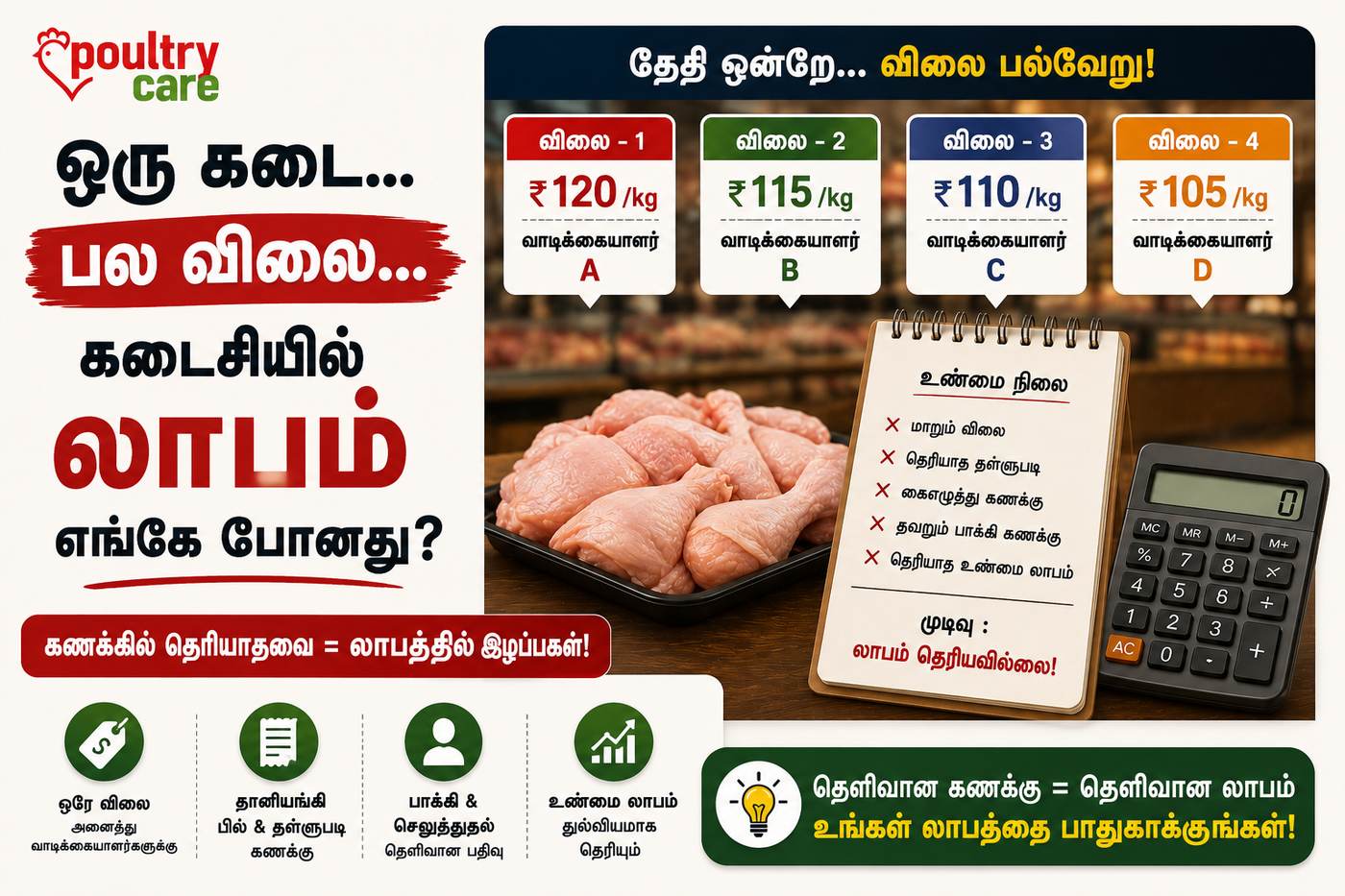
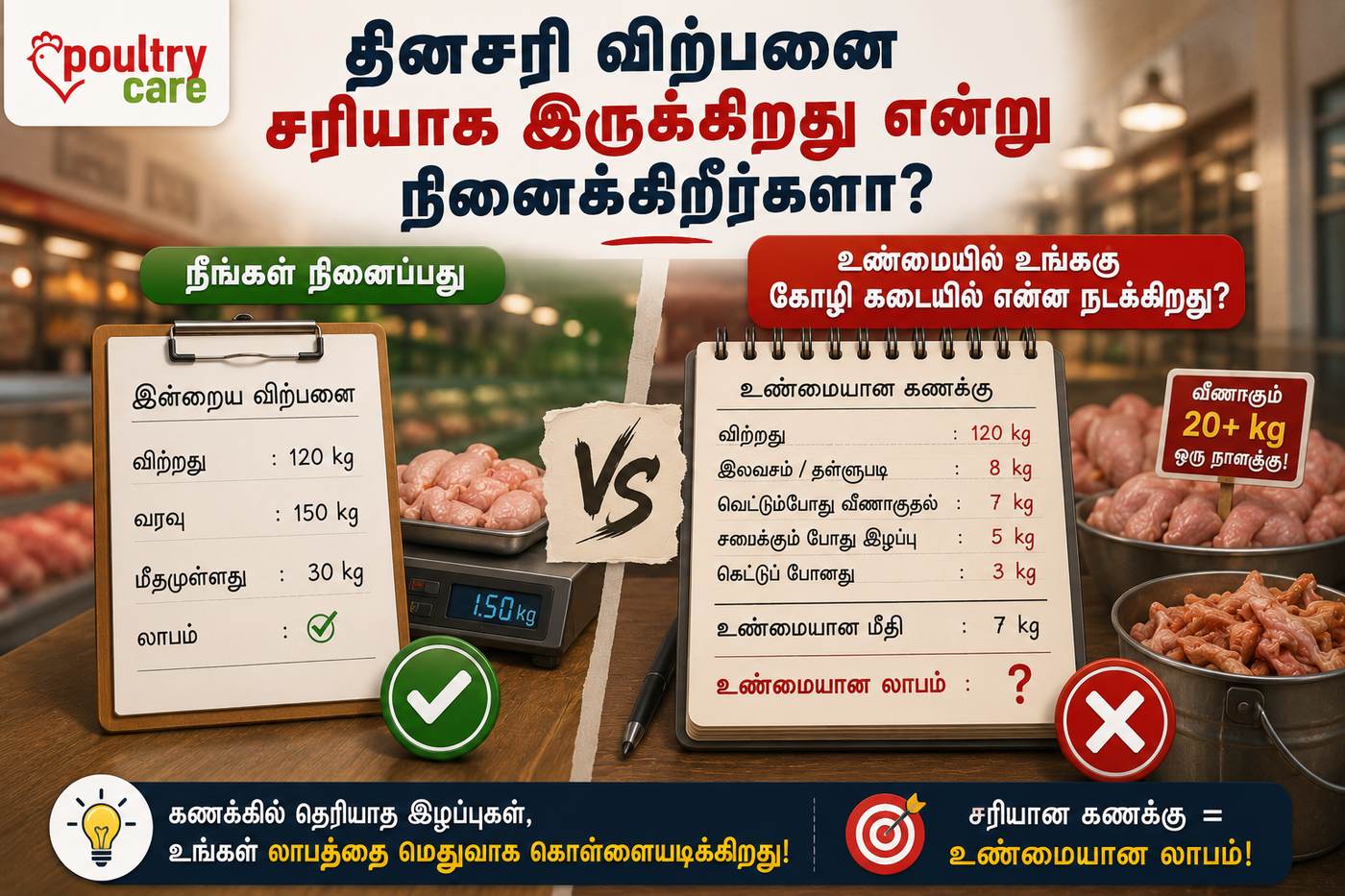
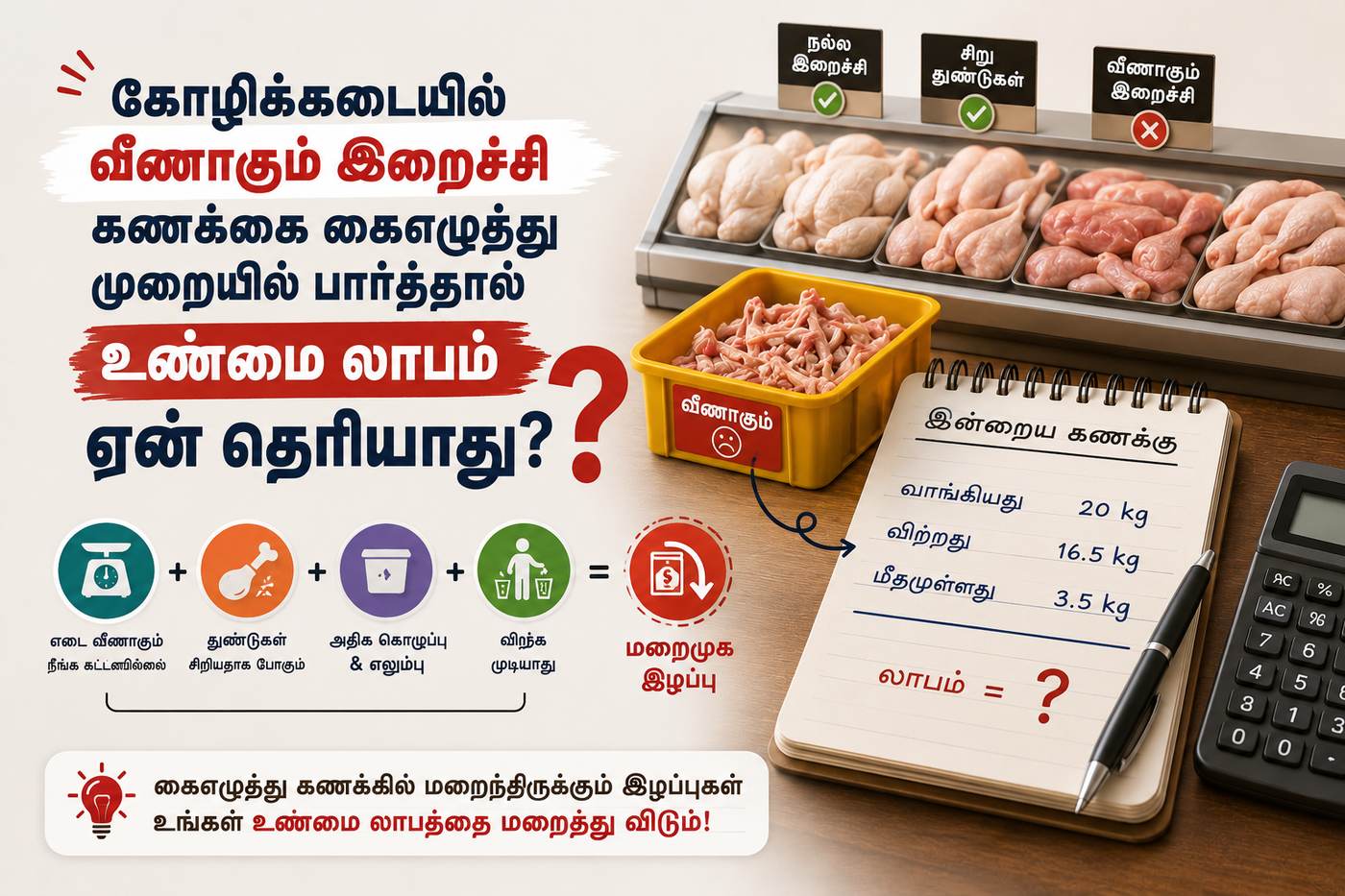
Costs in poultry trading are not always fixed. Transport charges, bird loss, weight loss, and operational expenses keep changing. If these are not considered properly, the selling price may not cover the true cost.
In such situations, higher volume does not lead to higher profit. Instead, it increases the effort while reducing financial return.
This is where many traders feel confused.
They are working more but gaining less.
When More Work Does Not Mean More Earnings
A common experience among poultry traders is the feeling of being constantly busy but not seeing expected financial growth. The business runs continuously, but savings do not improve, and pressure keeps increasing.
This happens when volume increases without margin control.
Each additional transaction adds workload, but if the margin is low or unclear, it does not contribute enough to profit. Over time, this creates fatigue and frustration.
Because the issue is not lack of effort.
It is lack of clarity in how each deal contributes to earnings.
Why Traders Choose Volume Over Profit
There are several reasons why traders focus more on volume. Market competition is one of them. When others are selling aggressively, it creates pressure to match their activity. Reducing prices to increase sales becomes a common response.
Customer expectations also play a role. Buyers often negotiate based on rate, and traders feel the need to adjust pricing to retain them.
In some cases, quick movement of stock becomes a priority. Traders prefer to sell fast rather than hold birds, even if the margin is not ideal.
All these factors push traders towards volume-based decisions.
But without balance, this approach weakens profitability.
The Difference Between Busy Business and Profitable Business
A busy business is not always a profitable business. Activity and movement do not guarantee financial success. The real strength of a business lies in how effectively it converts sales into profit.
When traders understand this difference, their approach begins to change. They start observing not just how much they are selling, but how much they are earning from each transaction.
This shift brings awareness.
It helps in identifying whether the business is truly growing or just expanding in workload.
How Margin Clarity Changes the Way You Sell
When traders become clear about their margins, their decision-making improves. They start evaluating deals more carefully. Instead of focusing only on closing sales, they consider whether the deal supports their profit.
This does not mean rejecting customers or reducing activity. It means making smarter choices within the same activity.
Pricing becomes more structured. Discounts are controlled. Costs are considered more seriously.
As a result, each transaction becomes more meaningful.
Balancing Volume and Profit for Sustainable Growth
Growth in poultry trading requires both volume and profit. Focusing on one while ignoring the other creates imbalance. Too much focus on volume reduces margin, while too much focus on margin without movement slows down business.
The key lies in balance.
Traders need to maintain steady sales while protecting their margins. This balance ensures that growth is sustainable and not stressful.
When both factors work together, the business becomes stronger and more stable.
From Continuous Selling to Controlled Trading
The transition from volume-focused trading to profit-focused trading is gradual. It begins with awareness. Traders start questioning their own patterns. They observe how pricing, cost, and volume interact.
Over time, they gain better control.
Decisions become more calculated. Sales are no longer driven only by urgency. They are guided by understanding.
This transformation brings confidence.
Because the trader is no longer guessing outcomes.
He is managing them.
Conclusion
In poultry trading, selling more is often seen as success. But true success lies in how much profit is generated from those sales.
When traders focus only on volume, they risk reducing their margins without realizing it. This leads to more work with less financial reward.
But when margin awareness is added to the process, everything changes. Sales become smarter, pricing becomes clearer, and profit becomes more consistent.
At the end, the difference is simple.
One trader runs behind volume and keeps working harder.
Another trader balances volume with margin and builds a stronger business.
And over time, it is always the second trader who grows with stability and confidence.