
🐔 Shrinkage Control Template With Sample Data Calculation
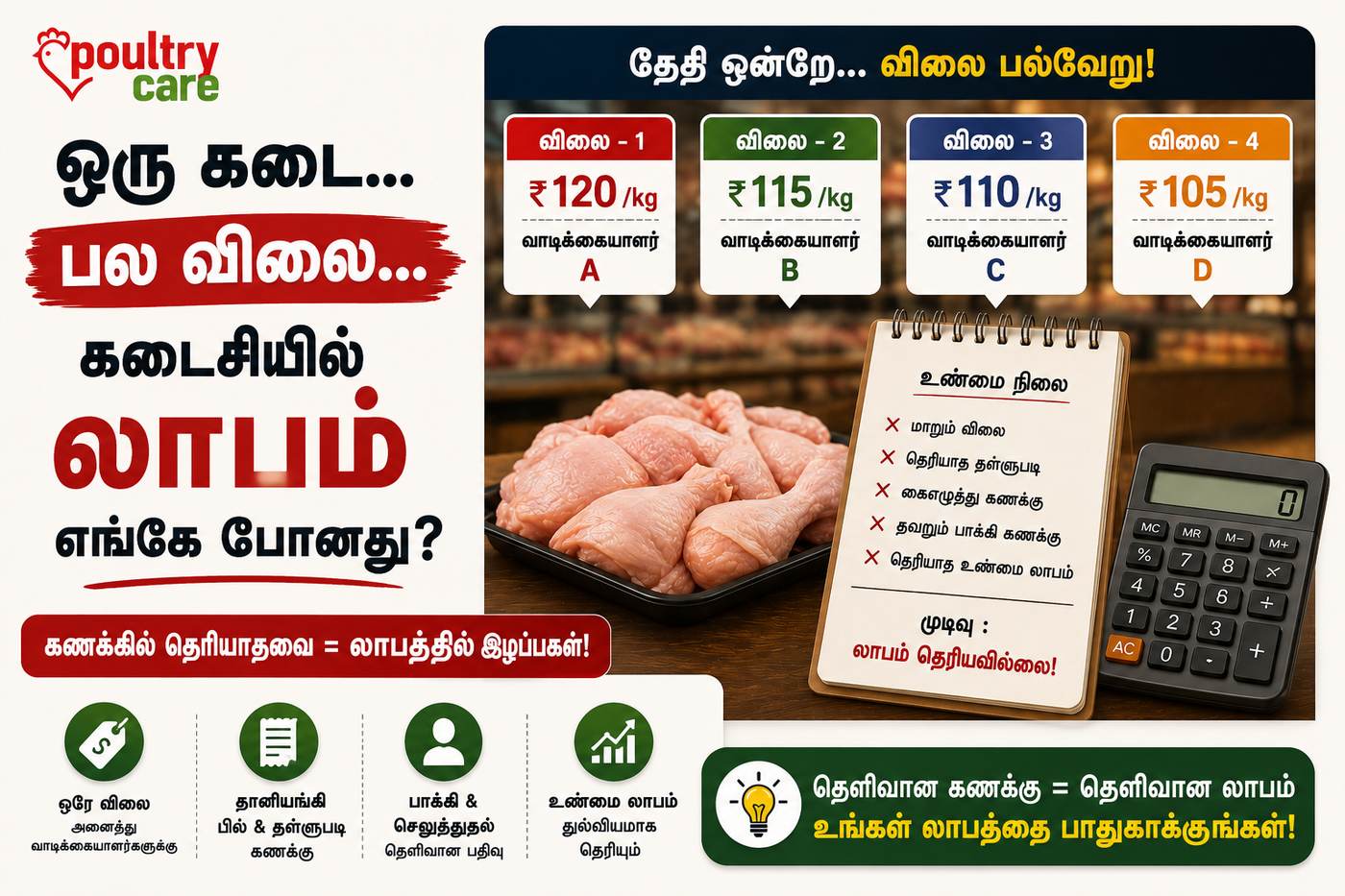
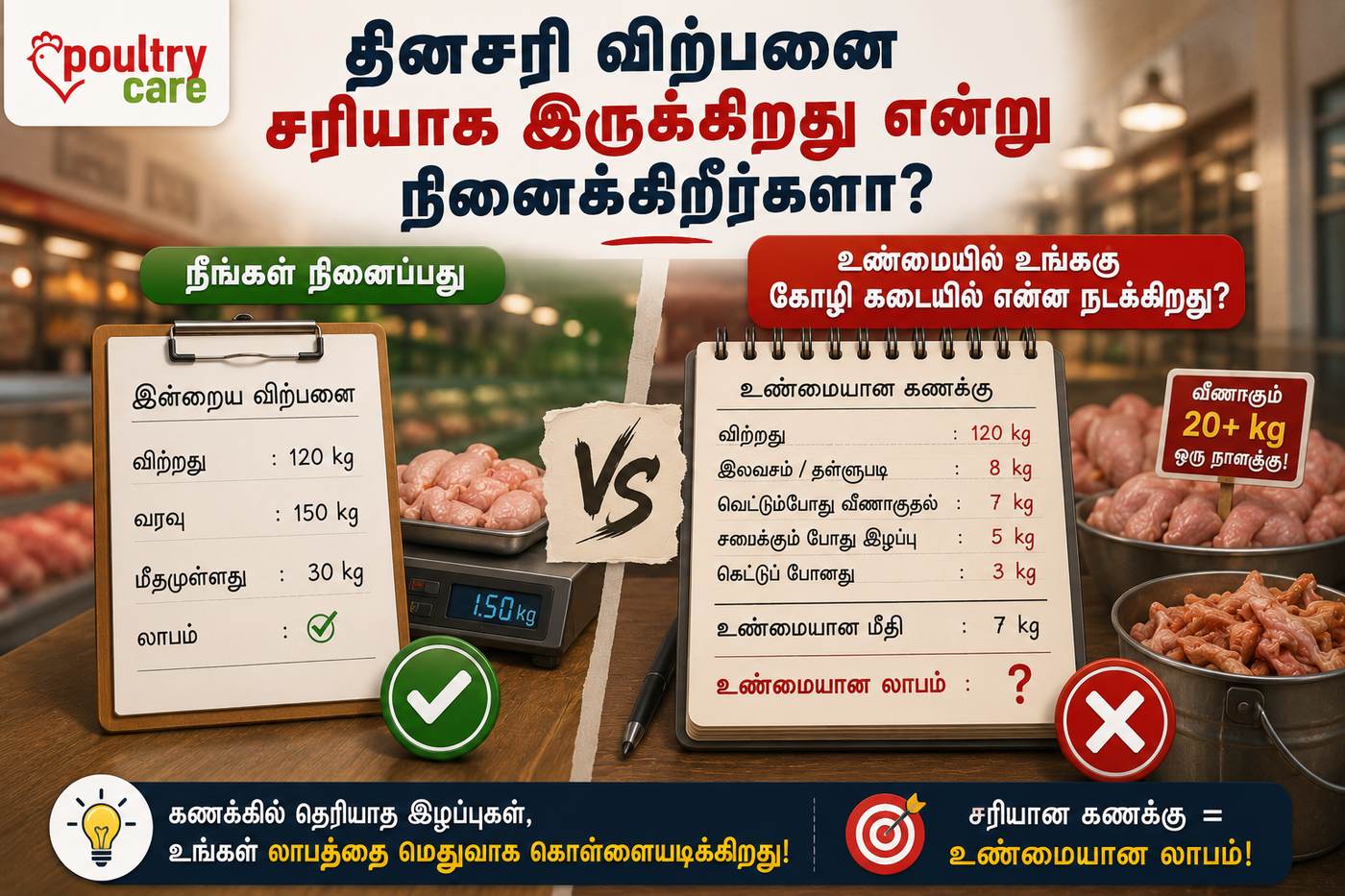
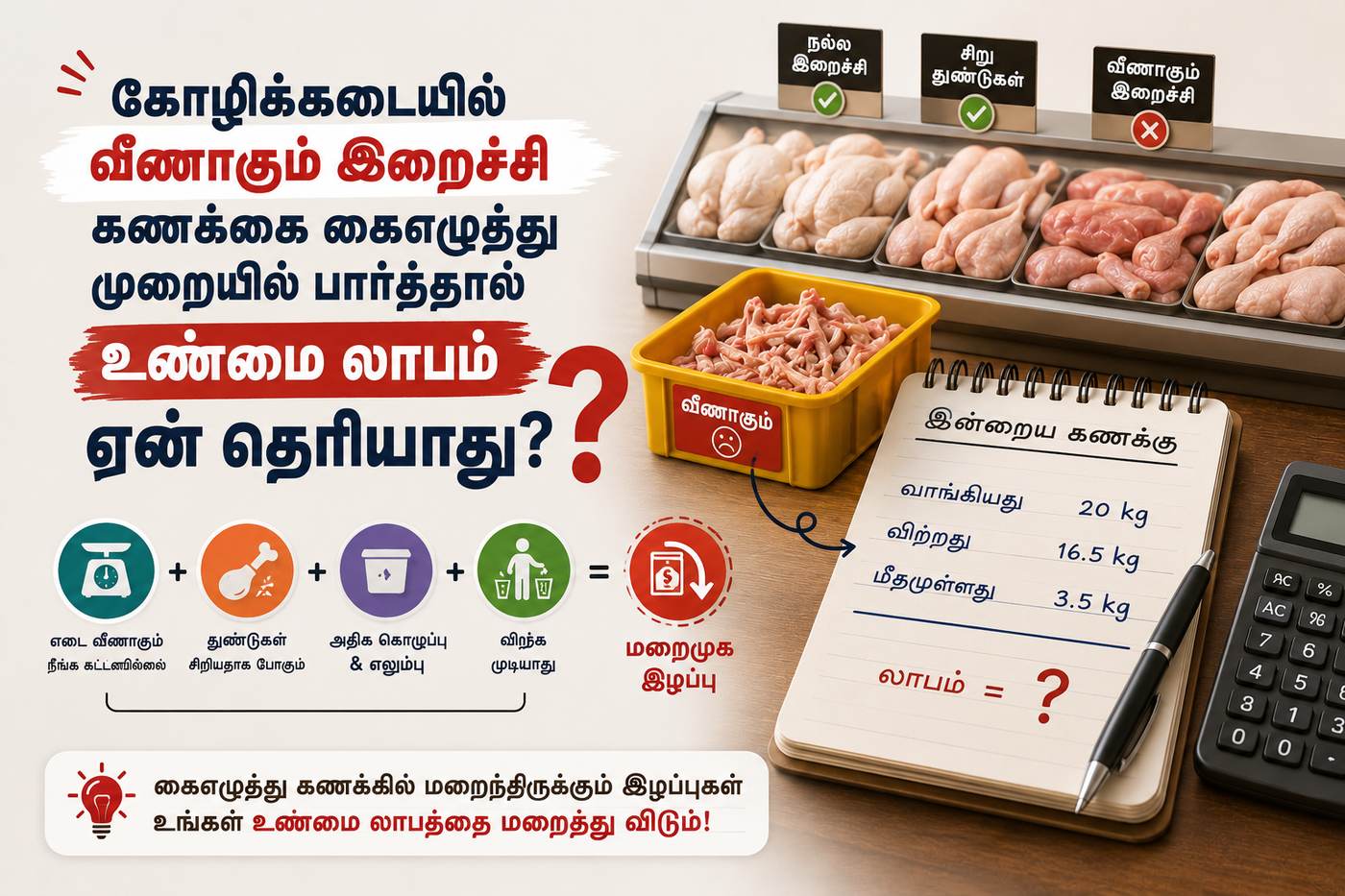
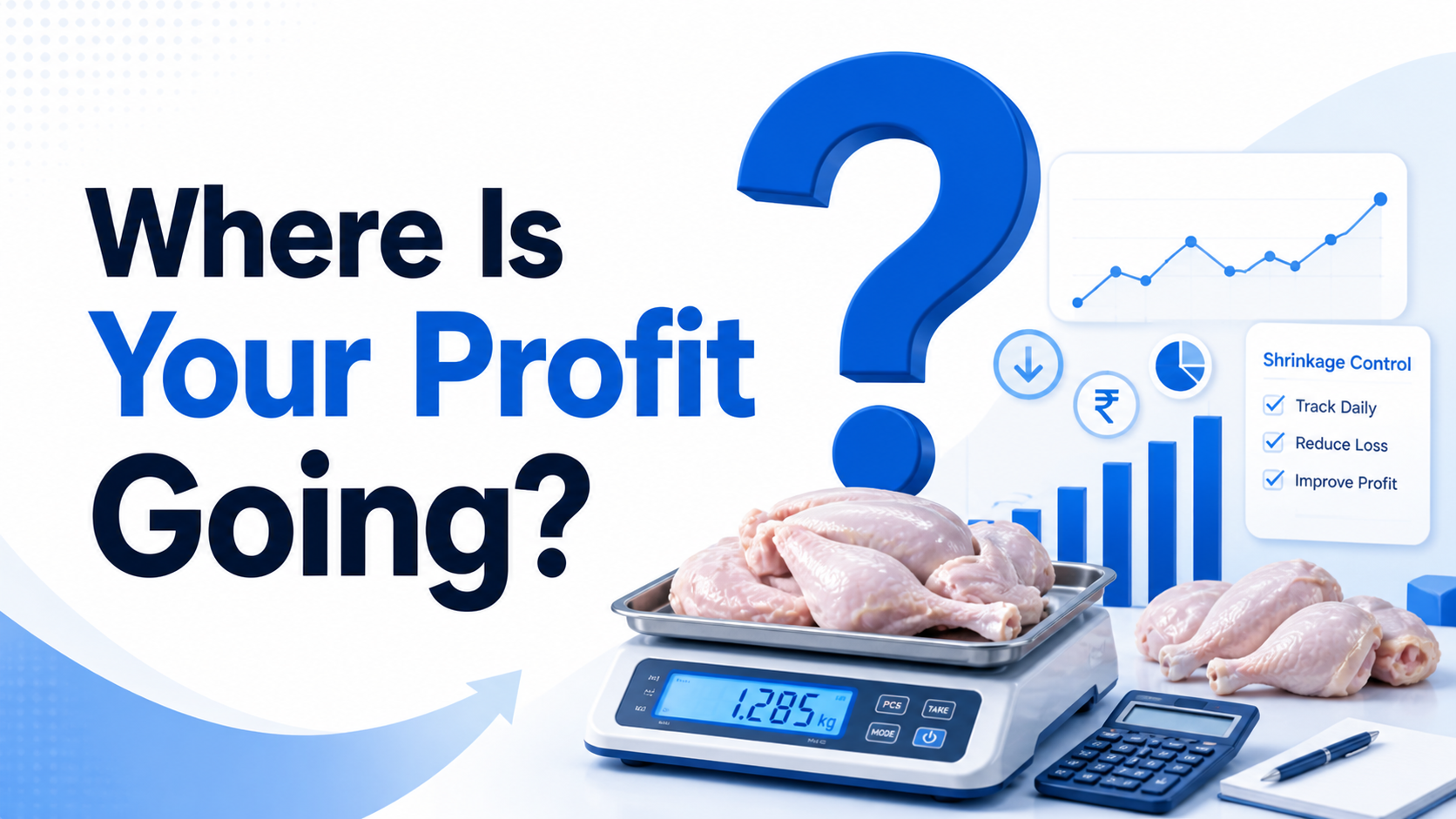
In many poultry retail shops, profit does not reduce suddenly. It reduces slowly through daily weight loss that is not clearly tracked. Retailers focus on buying and selling, but the gap between expected weight and actual sales often goes unnoticed. This gap is shrinkage, and without a clear system, it becomes a silent loss.
Why Most Tracking Methods Create Confusion
Retailers often try to track too many things such as purchase details, cutting output, and stock movement. In a busy shop, this becomes difficult to maintain. Entries are missed, numbers do not match, and the system loses reliability. When tracking feels complicated, it is eventually ignored. The issue is not tracking itself, but the lack of a simple and practical method.
What a Shrinkage Template Should Focus On
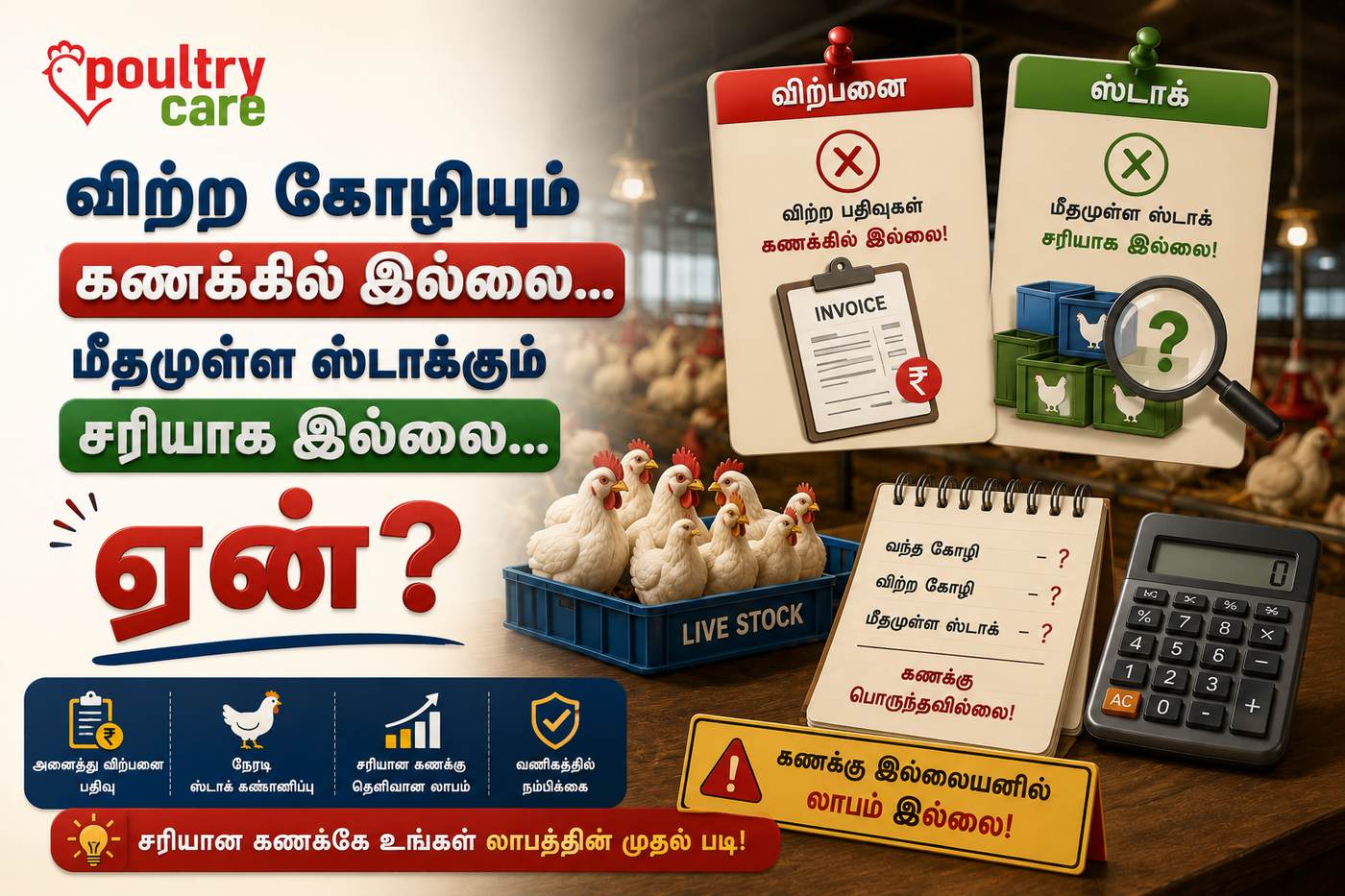
A useful shrinkage template does not need excessive data. It should capture only what matters. Total purchase weight gives the input. Expected yield gives the standard. Actual sales weight shows the real outcome. When these values are compared, shrinkage becomes visible without confusion.
Simple formula to follow daily
Shrinkage (kg) = Expected Weight − Actual Sales
Shrinkage (%) = (Shrinkage ÷ Purchase Weight) × 100
This alone gives full clarity.
Sample Calculation That Shows Real Profit Impact
Consider a shop purchasing 200 kilograms of birds. With an expected yield of seventy percent, the saleable meat should be around 140 kilograms. If actual sales are 134 kilograms, the loss is 6 kilograms.
At a selling price of 180 rupees per kilogram, this results in a daily loss of 1080 rupees. Over a month, this becomes 32400 rupees.
Now look at a small improvement.
Saving just 1 percent means 2 kilograms saved daily.
2 kg × 180 × 30 days = 10800 rupees extra profit
This shows how small control leads to real financial gain.
Practical Tips to Reduce Shrinkage Daily
Shrinkage cannot be stopped completely, but it can be controlled with small daily improvements.
Consistent cutting helps recover more meat from every bird.
Stable storage temperature reduces moisture loss.
Accurate weighing protects every sale.
Faster processing reduces handling loss.
Even small improvements in these areas create visible results over time.
How This Template Improves Daily Operations
When shrinkage is tracked daily, numbers start telling a story. Some days show higher loss, which may indicate cutting variation or storage issues. Other days may show better control. This helps retailers connect numbers with actual shop practices and take corrective action quickly.
Making Tracking Practical and Consistent
The strength of a shrinkage template lies in how easily it fits into daily routine. Purchase weight is recorded once at the beginning of the day, and sales weight is checked once at the end. There is no need for continuous tracking during busy hours. This keeps the system simple and sustainable.
Final Takeaway for Poultry Retail Owners
Shrinkage is not a one-time problem. It is a daily leakage that affects your profit over time. When it is not tracked, it remains hidden. When it is measured clearly, it becomes controllable.
Start with a simple template, follow one formula, and observe daily.
Because in poultry retail,
profit grows not only by selling more
but by reducing what you lose every day 👍