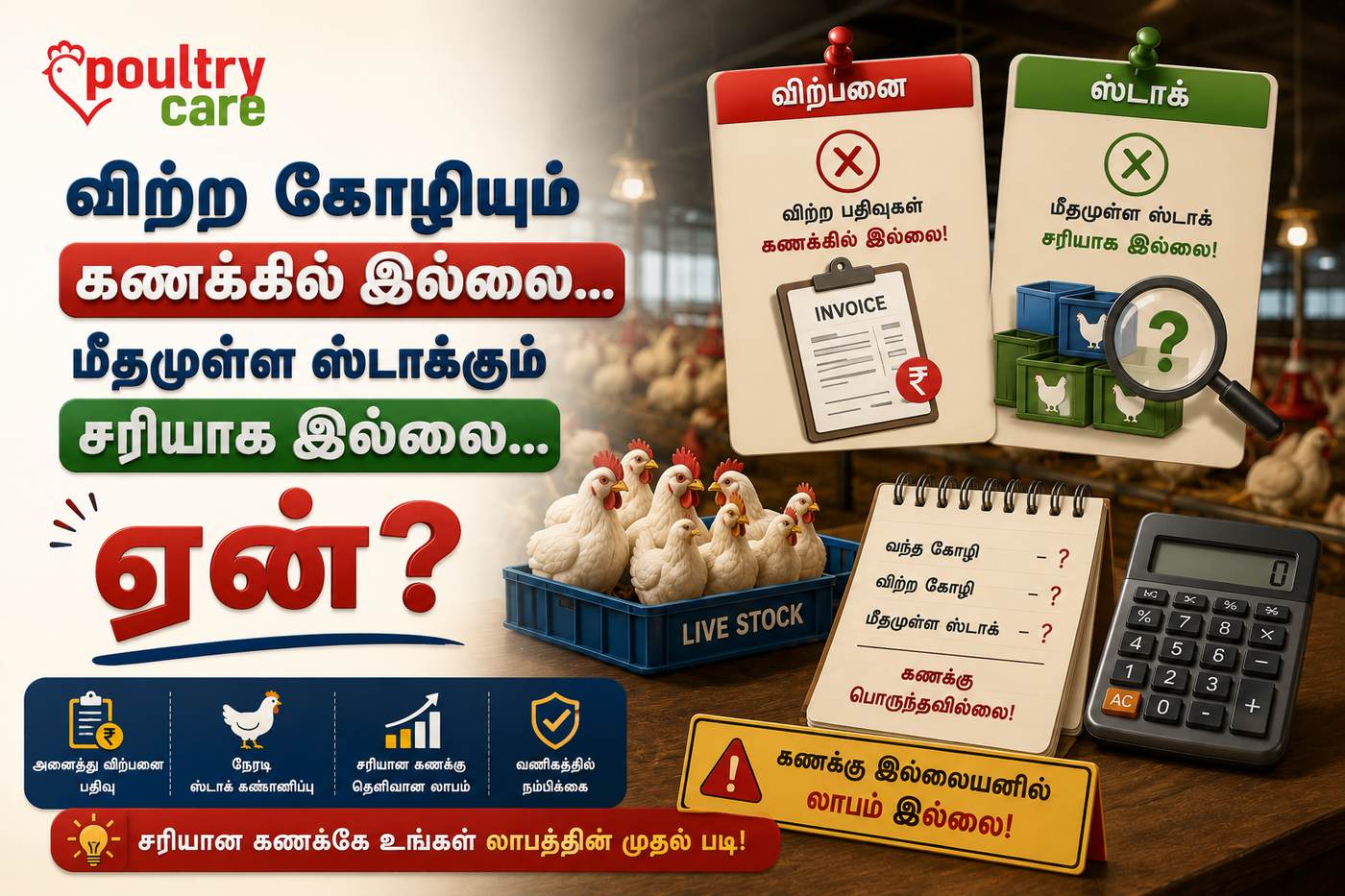

In poultry trading, many farmers experience a strange situation. Business is active, birds are moving daily, and customers are regular. On the surface, everything looks fine. But when it comes to actual earnings, something feels off. The effort is high, the volume is increasing, yet the profit does not match.
This creates a silent confusion.
You start questioning whether the market is weak, whether costs have increased, or whether competition is affecting your business. But most of the time, the real issue is not one big mistake. It is a series of small gaps that slowly reduce your margin without you realizing it.
How Margin Reduction Happens Without Visibility
Margin does not drop suddenly in one day. It reduces gradually over time. Small pricing changes, unnoticed costs, and untracked adjustments all contribute to this.
When a trader reduces the selling price slightly to close a deal, it may not feel significant. When transport cost increases a little, it may be ignored. When a few birds are lost or weight reduces, it may be treated as normal.
Individually, these look like minor changes. But together, they start affecting the overall margin.
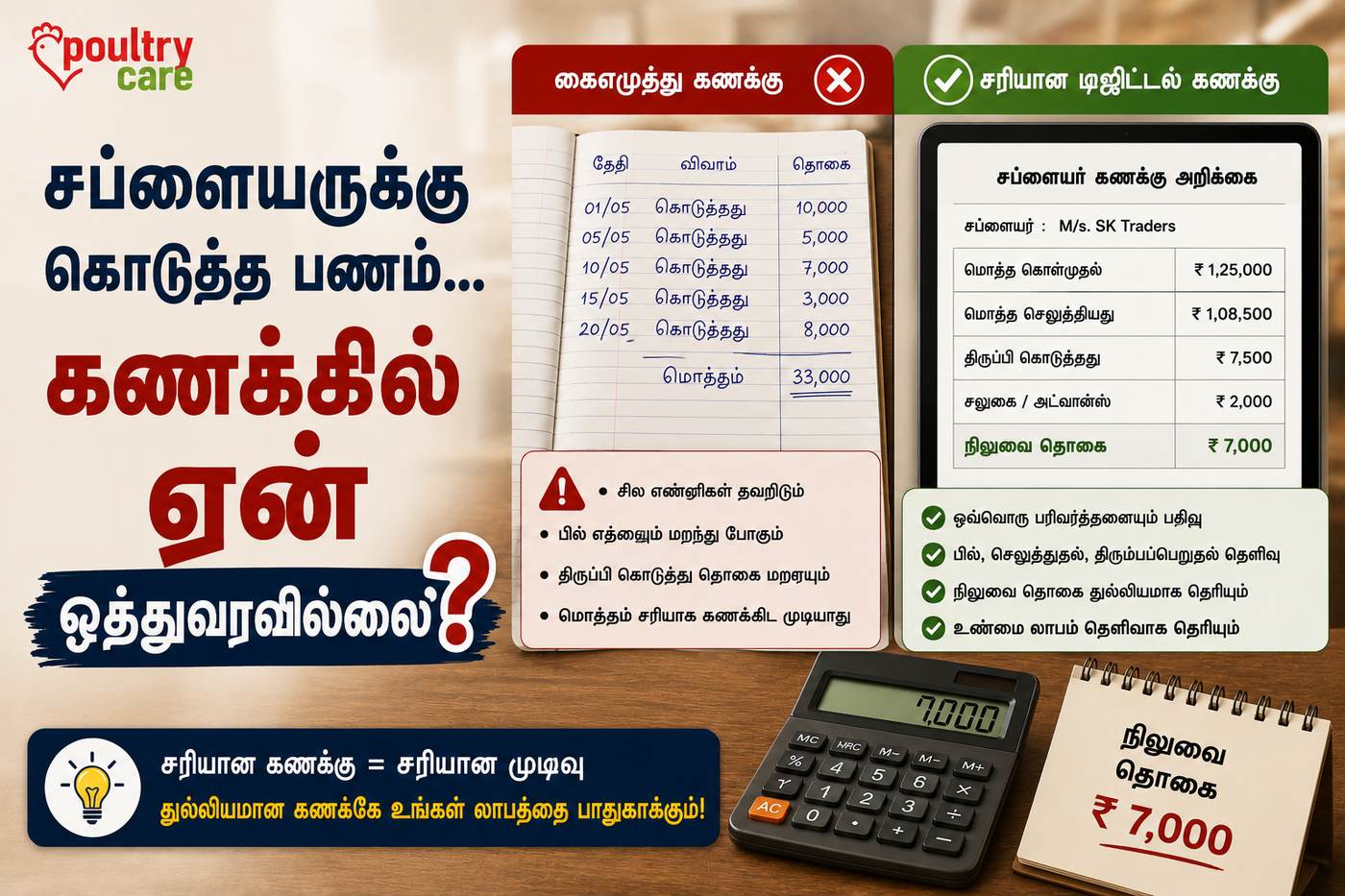
The biggest challenge is that these changes are not always tracked clearly. Without visibility, the reduction remains hidden.
The Role of Hidden Costs in Reducing Profit
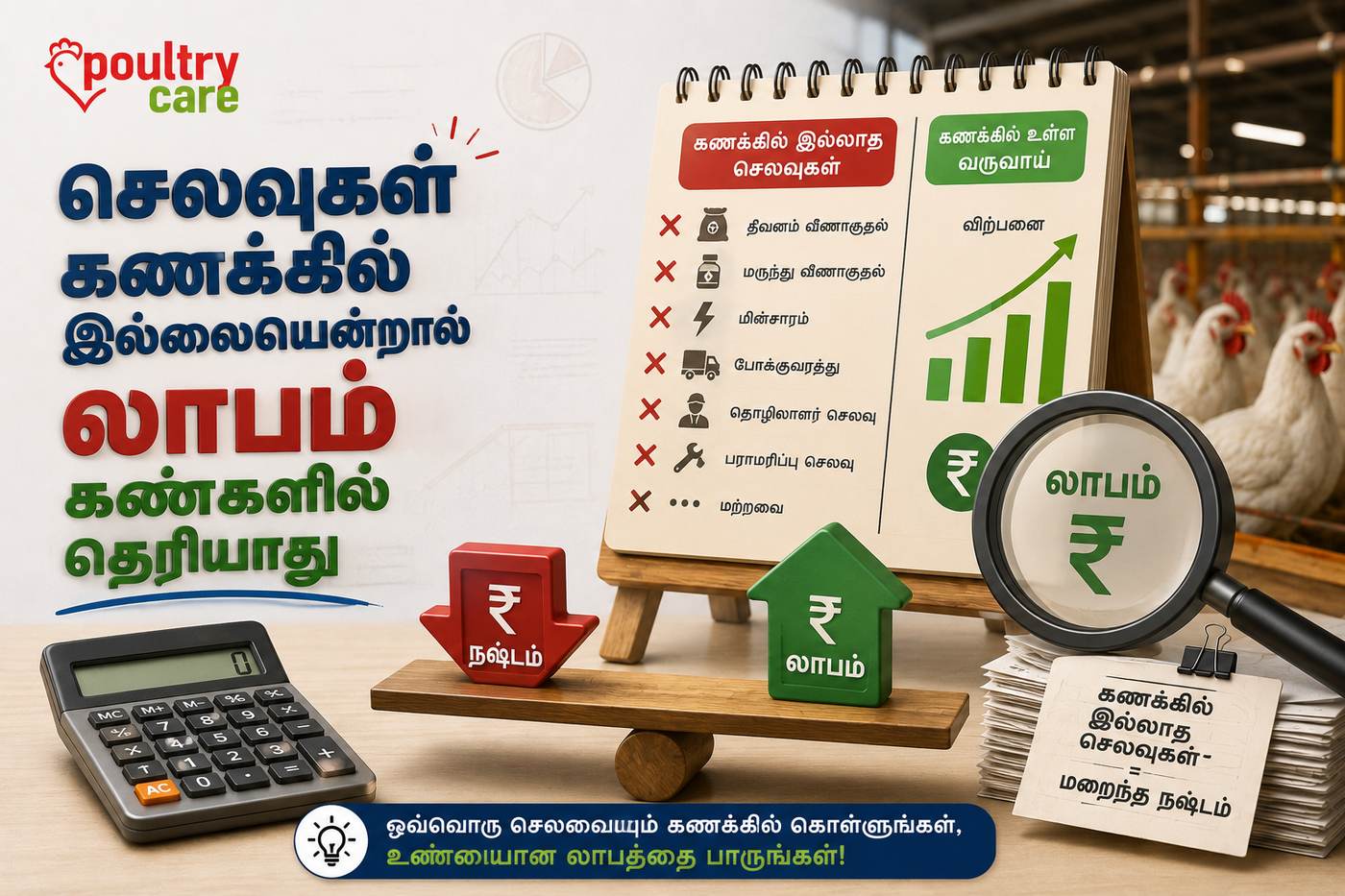
One of the major reasons for margin loss is hidden costs. These are expenses that are not calculated regularly or are underestimated in daily operations.
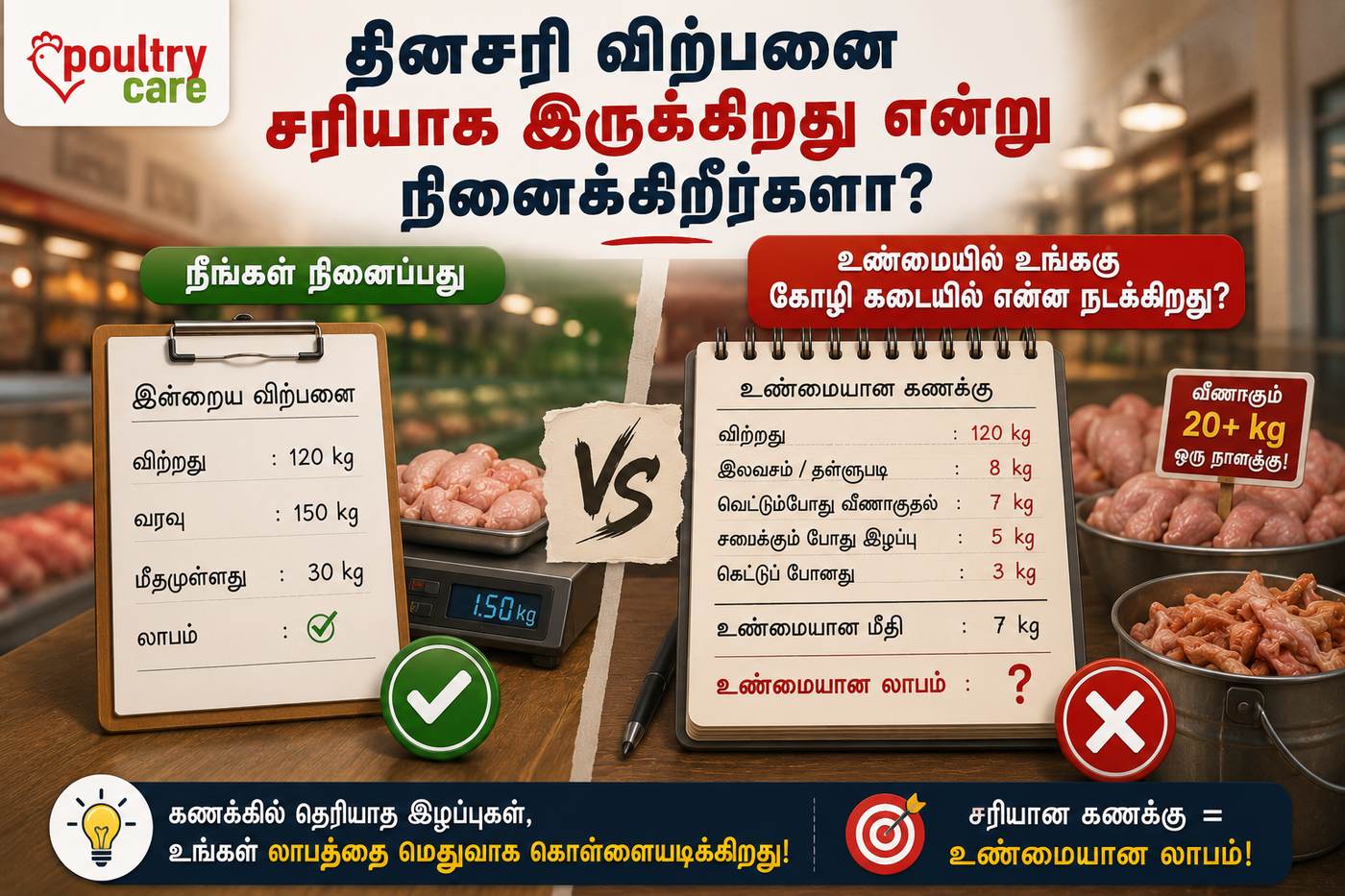
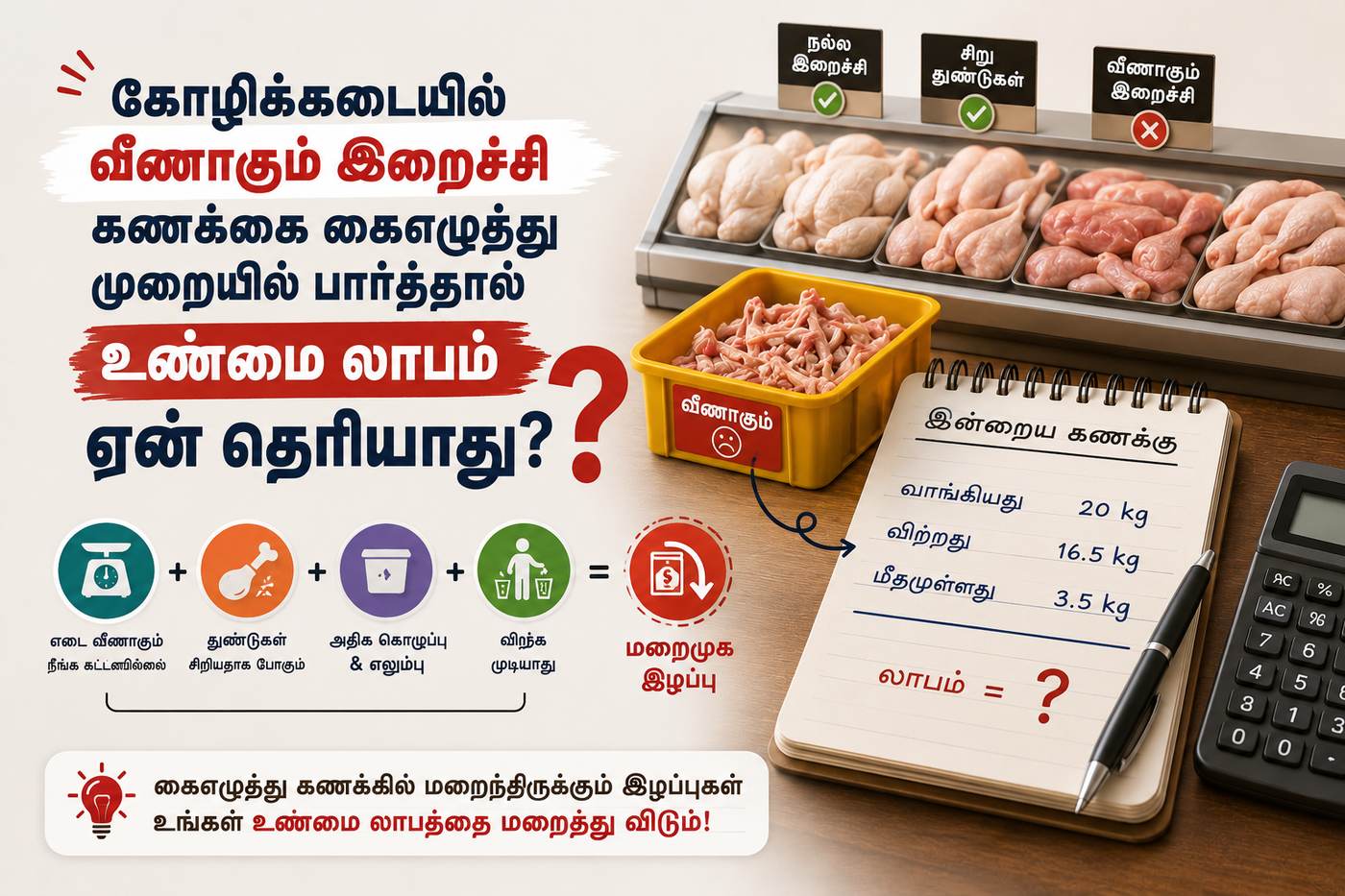
Transportation charges, fuel variations, loading and unloading expenses, bird mortality, and weight loss all play a role. These costs do not appear directly in every transaction, but they affect the final outcome.
When traders focus only on purchase and selling price, these hidden costs are ignored. This creates a gap between expected profit and actual profit.
Over time, this gap becomes larger and more noticeable.
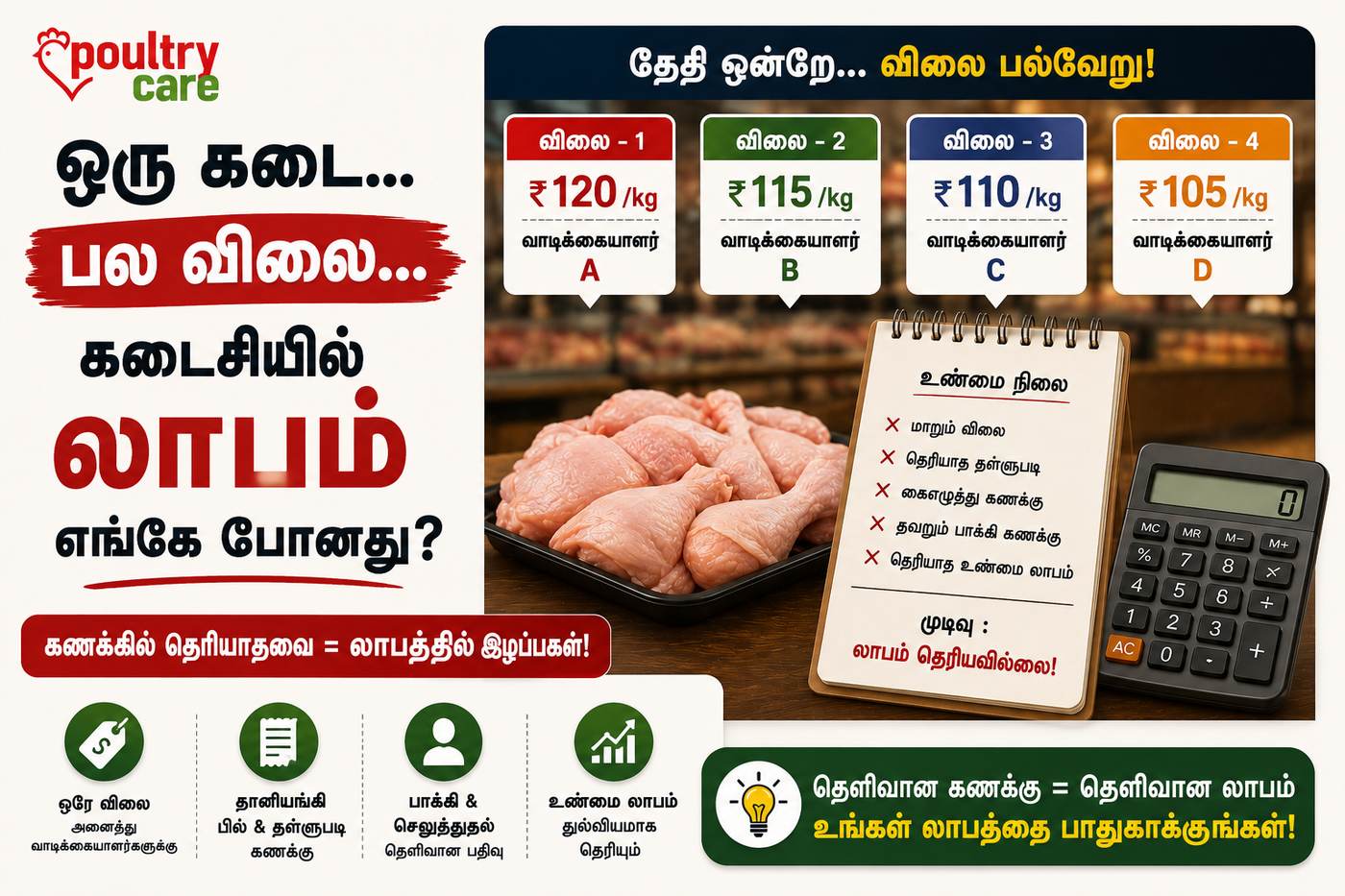
How Inconsistent Pricing Affects Margin Stability
Pricing plays a crucial role in maintaining margin. When pricing is not consistent, margins become unpredictable. Some deals may give good returns, while others may barely cover costs.
In many cases, traders adjust prices based on urgency, customer relationship, or market pressure. Without a clear pricing structure, these adjustments lead to uneven margins.
This inconsistency makes it difficult to understand the real profitability of the business.
Even if overall sales are high, unstable margins create uncertainty.
When Volume Increases but Profit Does Not
A common belief in trading is that higher volume leads to higher profit. While this is true in theory, it does not always work in practice.
If margins are not controlled, increasing volume can actually increase the problem. More transactions with low or unclear margins lead to more effort without proportional return.
Traders may feel that business is growing, but financially, the results do not reflect that growth.
This creates frustration.
Because the issue is not with effort or activity, but with how each transaction contributes to profit.
Why Traders Do Not Notice Margin Reduction Early
Margin reduction often goes unnoticed in the early stages because it is not visible in daily activity. Business continues as usual, and there is no immediate sign of loss.
Traders focus on operations, sales, and customer handling. Financial details are observed only occasionally.
By the time margin reduction becomes noticeable, it has already affected multiple transactions.
This delay in awareness makes it difficult to identify the exact cause.
Early visibility is key to preventing this situation.
The Shift from Assumption to Awareness
Many poultry traders operate based on experience and assumption. They believe they understand their costs and margins. While experience is valuable, it may not always capture small changes accurately.
When traders shift from assumption to awareness, they start observing real numbers. They become more conscious of costs, pricing decisions, and margin outcomes.
This awareness helps in identifying where profit is leaking.
Once the problem is visible, it becomes easier to correct.
How Better Clarity Improves Decision Making
When margin clarity improves, decision-making becomes stronger. Traders can identify which deals are beneficial and which are risky. They can adjust pricing with confidence and manage costs more effectively.
This clarity also reduces unnecessary stress. Instead of guessing, traders operate with understanding.
Better decisions lead to better results.
Over time, this improves the overall stability of the business.
Building Control Over Profit Instead of Leaving It to Chance
Profit should not depend on luck or market conditions alone. It should be controlled through proper understanding and management.
When traders start paying attention to margins, they gain control over their business. They do not depend only on sales volume. They focus on quality of transactions.
This approach creates a stronger foundation.
Control over margin leads to consistent profitability.
Conclusion
In poultry trading, margin reduction does not happen suddenly. It happens slowly, through small gaps in pricing, cost awareness, and tracking.
Because these gaps are not always visible, traders often realize the problem only after it has affected their earnings.
But when awareness increases, the situation changes. Traders start understanding where profit is being reduced and take steps to control it.
At the end, success in trading is not just about how much you sell. It is about how much you retain after every transaction.
The trader who understands his margin clearly builds a stable and growing business, while the one who ignores it keeps working harder without seeing the expected results.