
Every month begins with hope.
Bird placements are planned. Market demand looks stable. Sales continue regularly. Trucks move in and out. On the outside, business activity looks healthy.
But inside the office, one feeling slowly grows stronger.
Cash stress.
Many poultry traders quietly ask themselves a painful question.
If sales are increasing, why does financial pressure also increase?
This confusion is common across poultry trading businesses. Farmers often assume low profit is the reason for stress. However, the truth is more complex.
Cash stress usually grows not because business is failing, but because money movement is not synchronized with business movement.
Understanding this difference changes how traders manage growth forever.
Sales Growth Does Not Always Mean Financial Growth
In poultry trading, increased sales often create increased responsibility before they create increased cash.
When trading volume grows, several expenses immediately rise:
Bird procurement payments
Transport charges
Labor wages
Feed adjustments
Market commissions
Operational overheads
These expenses demand immediate payment.
But income from sales usually arrives later due to credit cycles.
This creates a gap between outgoing cash and incoming cash.
As trading expands, this gap becomes wider each month.
Farmers feel busier but financially tighter.
Growth without cash planning becomes pressure instead of progress.
The Hidden Gap Between Profit and Cash
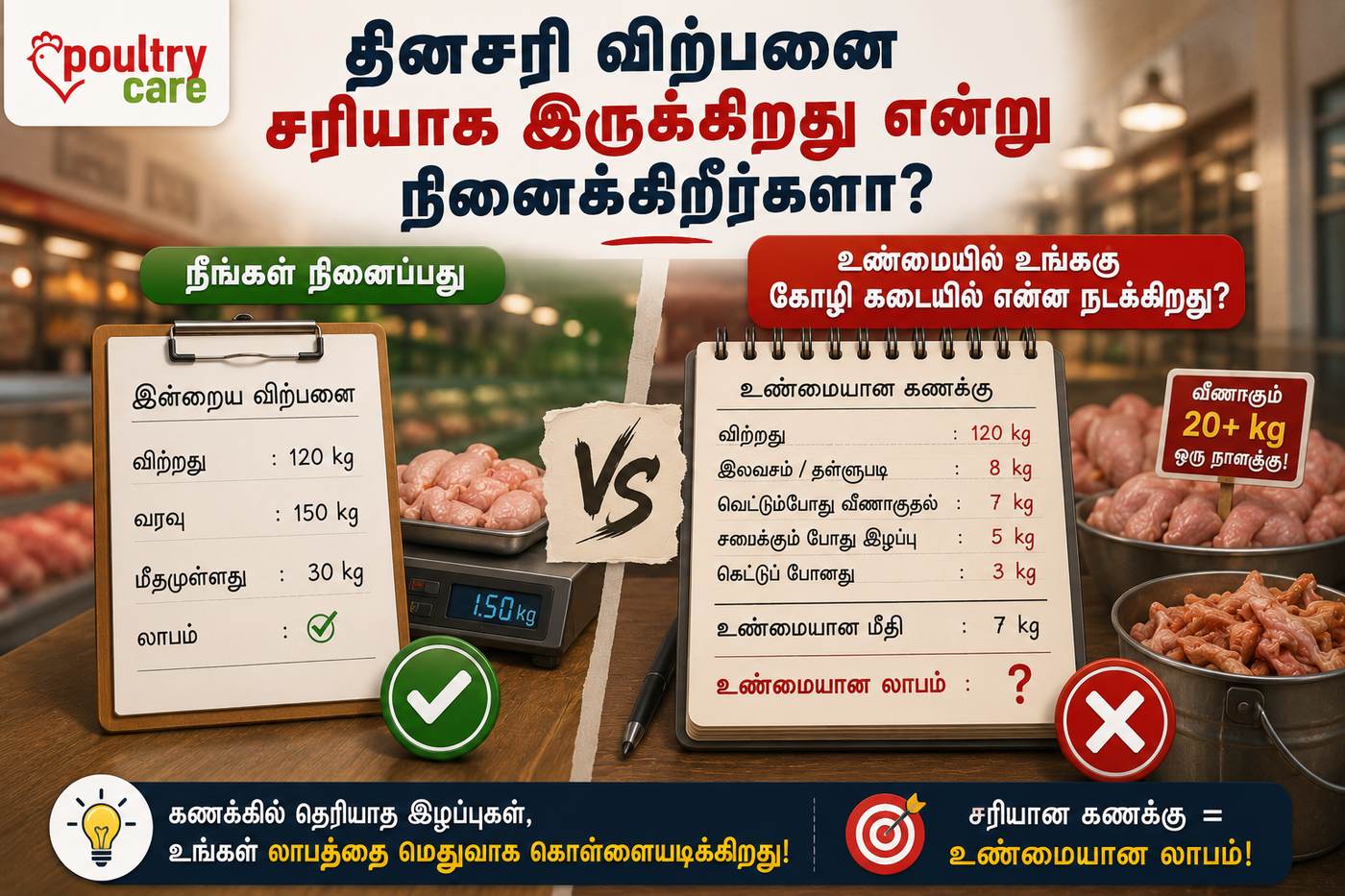
Many poultry farmers calculate profit based on selling price minus purchase cost.
But real financial health depends on timing.
Profit is an accounting result.
Cash flow is a survival reality.
A trader may show profit on paper while facing cash shortages daily.
Why does this happen?
Because money remains locked in receivables.
Birds are already sold, but payments are still pending with buyers.
Meanwhile, suppliers require payment on time.
This mismatch forces traders to depend on borrowing, rolling credit, or delaying payments elsewhere.
Over time, financial stress becomes a monthly cycle.
Credit Sales Slowly Increase Financial Pressure
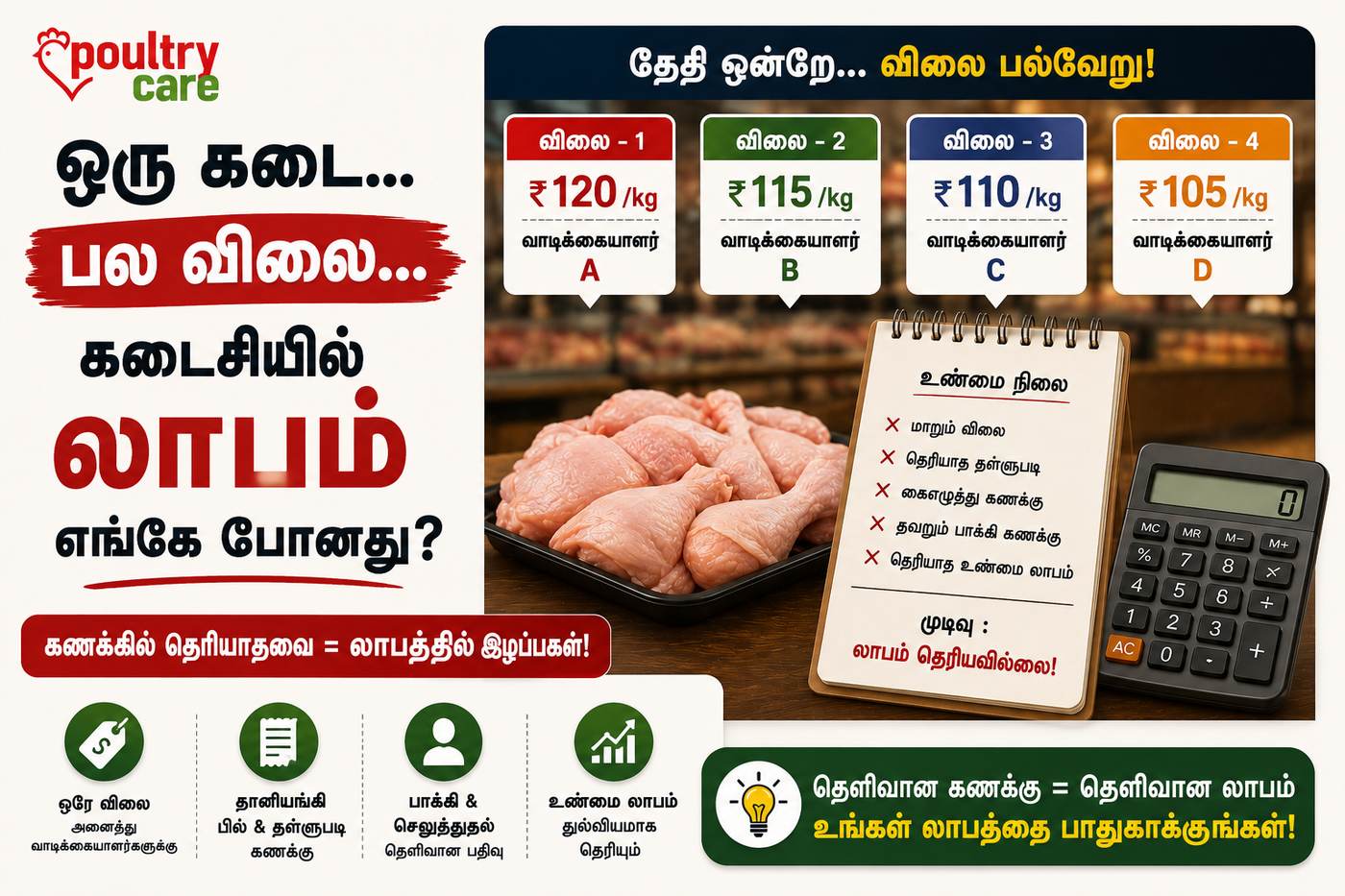
Credit is deeply rooted in poultry markets.
Traders extend credit to maintain buyer relationships and secure market share. Initially, this seems helpful.
But uncontrolled credit creates invisible risk.
Common situations include:
Multiple buyers paying on different timelines
Payment promises extending repeatedly
Partial settlements becoming normal practice
Lack of clarity about total outstanding amounts
Each delayed payment reduces available working capital.
Instead of circulating money through the business, funds remain stuck outside the farm.
As months pass, outstanding balances accumulate silently.
Cash stress grows even though trading continues successfully.
Monthly Expenses Never Wait for Collections
One harsh reality of poultry trading is that expenses follow strict schedules while payments do not.
Workers expect wages on fixed dates.
Transporters demand settlement quickly.
Suppliers monitor payment cycles closely.
But collections depend on buyer behavior.
This imbalance creates emotional pressure on farmers.
They begin juggling payments, prioritizing urgent demands, and postponing less immediate ones.
Financial decisions become reactive instead of strategic.
Eventually, stress shifts from market uncertainty to cash uncertainty.
Farmers stop worrying about bird prices and start worrying about payment timing.
Lack of Daily Financial Visibility Creates Anxiety
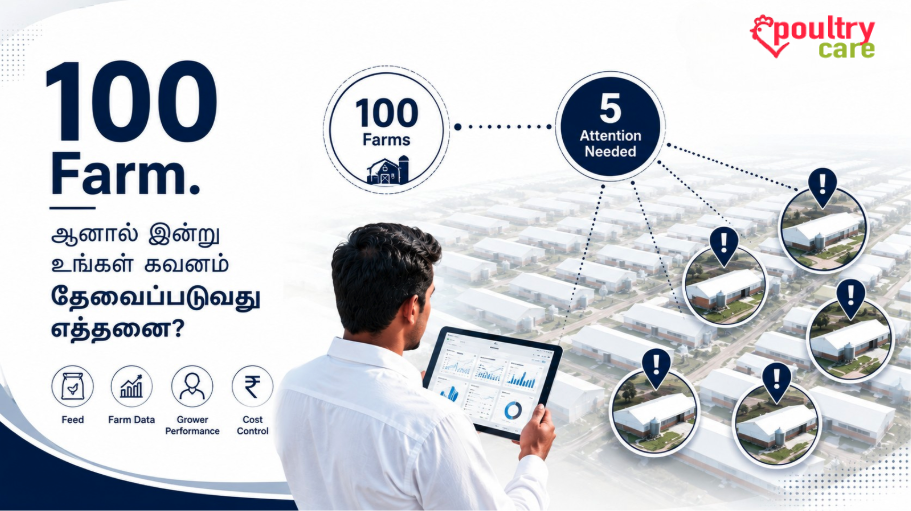
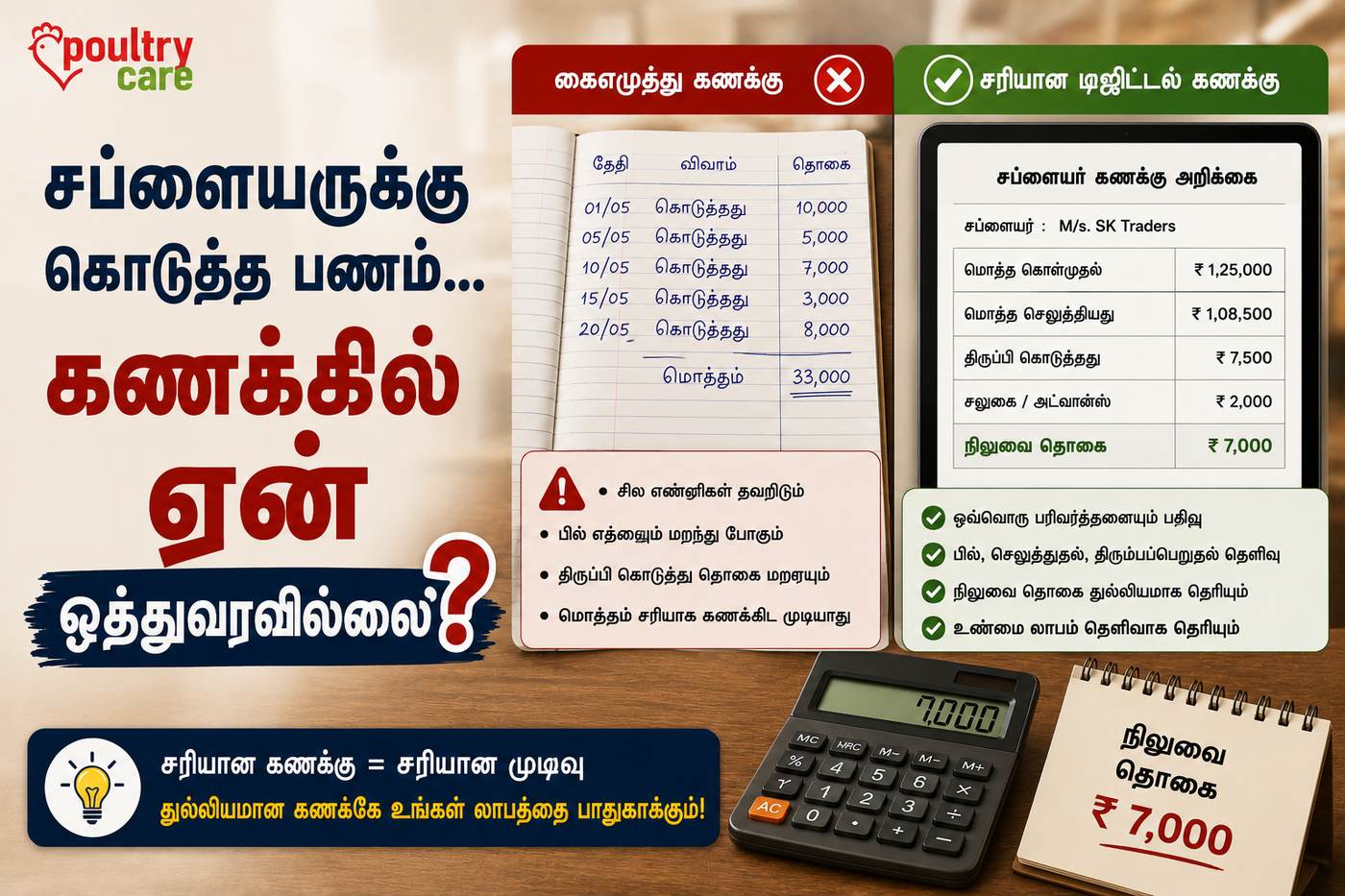
Many traders manage finances through notebooks, memory, or scattered records.
As transaction volume increases, clarity decreases.
Farmers struggle to answer simple questions:
How much money should arrive this week
Which buyer payment is overdue
How much cash is actually available
What commitments must be paid tomorrow
Without daily visibility, financial control feels impossible.
Uncertainty creates stress more than loss itself.
When traders cannot clearly see their financial position, every decision feels risky.
Confidence reduces even when business performance remains stable.
Expansion Without Financial Structure
Growth is every trader’s goal.
But expansion without financial structure often causes cash strain.
Increasing trading volume means:
More buyers
More invoices
More credit exposure
More payment tracking requirements
If systems remain unchanged while business grows, complexity multiplies.
Farmers who once managed easily now spend hours chasing payments and verifying accounts.
The business becomes operationally larger but financially weaker.
True growth requires control, not just expansion.
Emotional Pressure and Decision Fatigue
Cash stress does not stay inside accounts. It affects decision making.
Farmers under financial pressure often:
Sell birds early to generate quick cash
Accept lower prices for faster payment
Extend more credit hoping for future loyalty
Delay necessary investments
These decisions solve short term problems but weaken long term profitability.
Stress reduces strategic thinking.
Instead of planning growth, farmers focus on surviving the month.
Breaking this cycle requires understanding that cash stress is a system problem, not a personal failure.
How Financially Stable Traders Think Differently
Successful poultry traders develop a different mindset.
They monitor cash flow daily, not monthly.
They evaluate buyers based on payment behavior, not only purchase volume.
They understand that controlled credit is stronger than unlimited sales.
They align expenses with expected collections.
Most importantly, they treat financial visibility as essential as flock management.
Just as farmers monitor bird health daily, they monitor cash health daily.
This shift transforms business confidence.
Practical Habits That Reduce Monthly Cash Stress
Financial stability does not require complicated strategies. It begins with consistent habits.
Clear payment terms before delivery create mutual understanding.
Tracking expected payment dates prevents surprises.
Regular communication with buyers strengthens accountability.
Separating sales tracking from collection tracking improves clarity.
Reviewing outstanding balances frequently prevents accumulation.
Small discipline practiced daily creates large financial stability over time.
The Future of Poultry Trading Is Visibility
The poultry industry is evolving rapidly.
Modern traders are moving toward structured financial awareness rather than reactive management.
Visibility allows traders to predict shortages before they happen.
It enables confident purchasing decisions.
It reduces dependency on emergency borrowing.
Most importantly, it converts uncertainty into control.
The difference between stressful trading and sustainable trading is often not market conditions but financial visibility.
Conclusion: Cash Stress Is a Signal, Not a Failure
Increasing cash stress each month is not a sign that a poultry business is weak.
It is a signal that money movement needs better alignment with business operations.
When farmers understand how cash flows through their trading cycle, they regain confidence.
Sales begin supporting growth instead of creating pressure.
The goal of poultry trading is not only selling birds successfully.
The real goal is maintaining steady financial breathing space month after month.
Because a business grows sustainably only when cash moves as smoothly as operations.