When Tomorrow Feels Uncertain Every Day
In poultry trading, one of the biggest challenges is not today’s work but tomorrow’s uncertainty. You may have birds ready, customers connected, and market understanding, but still, the question remains. How much will actually sell tomorrow. This uncertainty creates hesitation in decisions. Should you push more sales, hold stock, or wait for better price. Without clarity, every decision feels like a risk.
Why Sales Feels Like Guesswork
For many traders, tomorrow’s sale is based on experience and assumption. You expect demand based on past days, but real demand changes. One day sales are high, another day it slows down. When there is no clear tracking of demand patterns and order confirmations, estimation becomes guesswork. This leads to overconfidence on some days and missed opportunities on others.
The Problem Is Not Market It Is Visibility
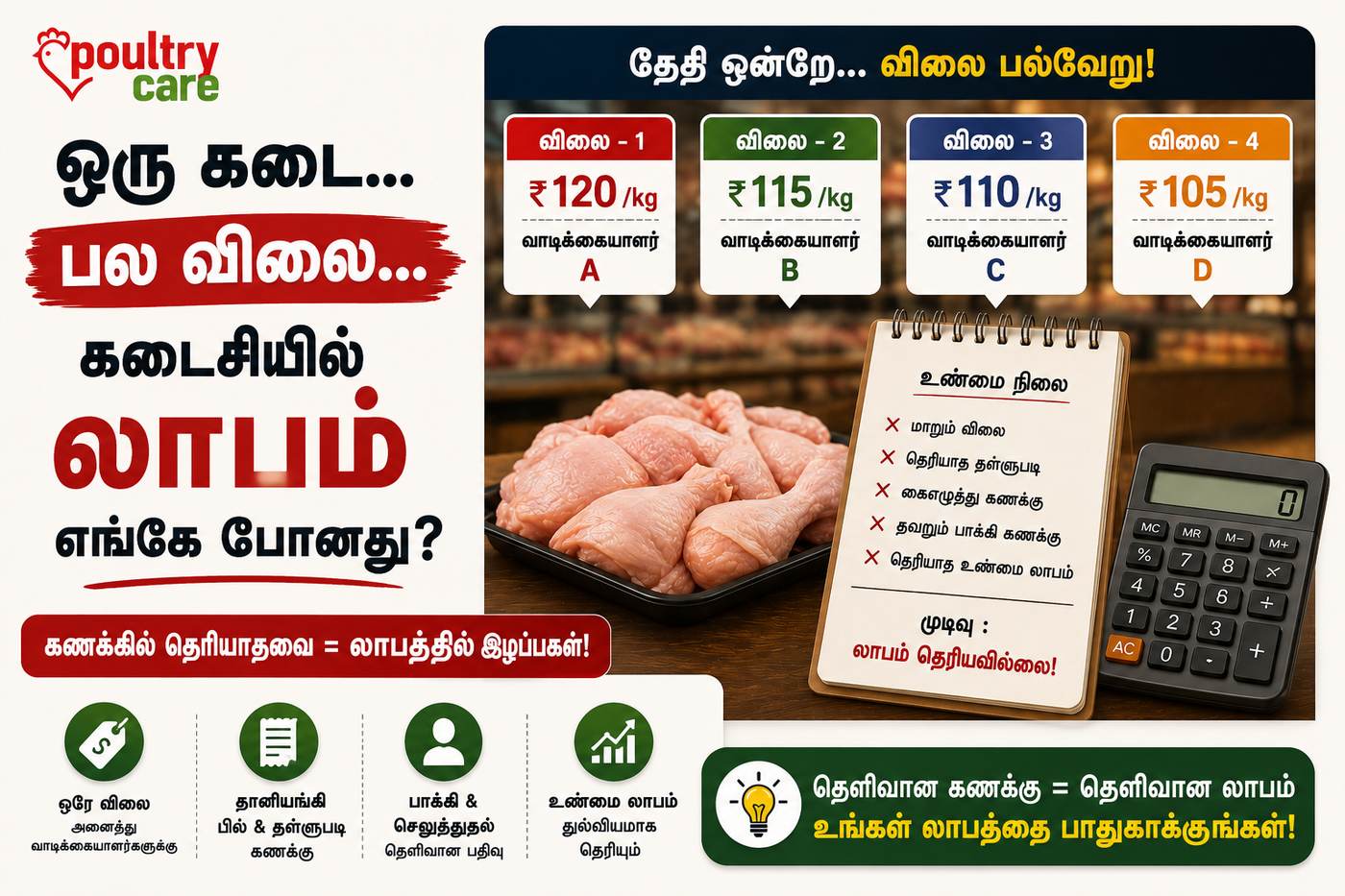
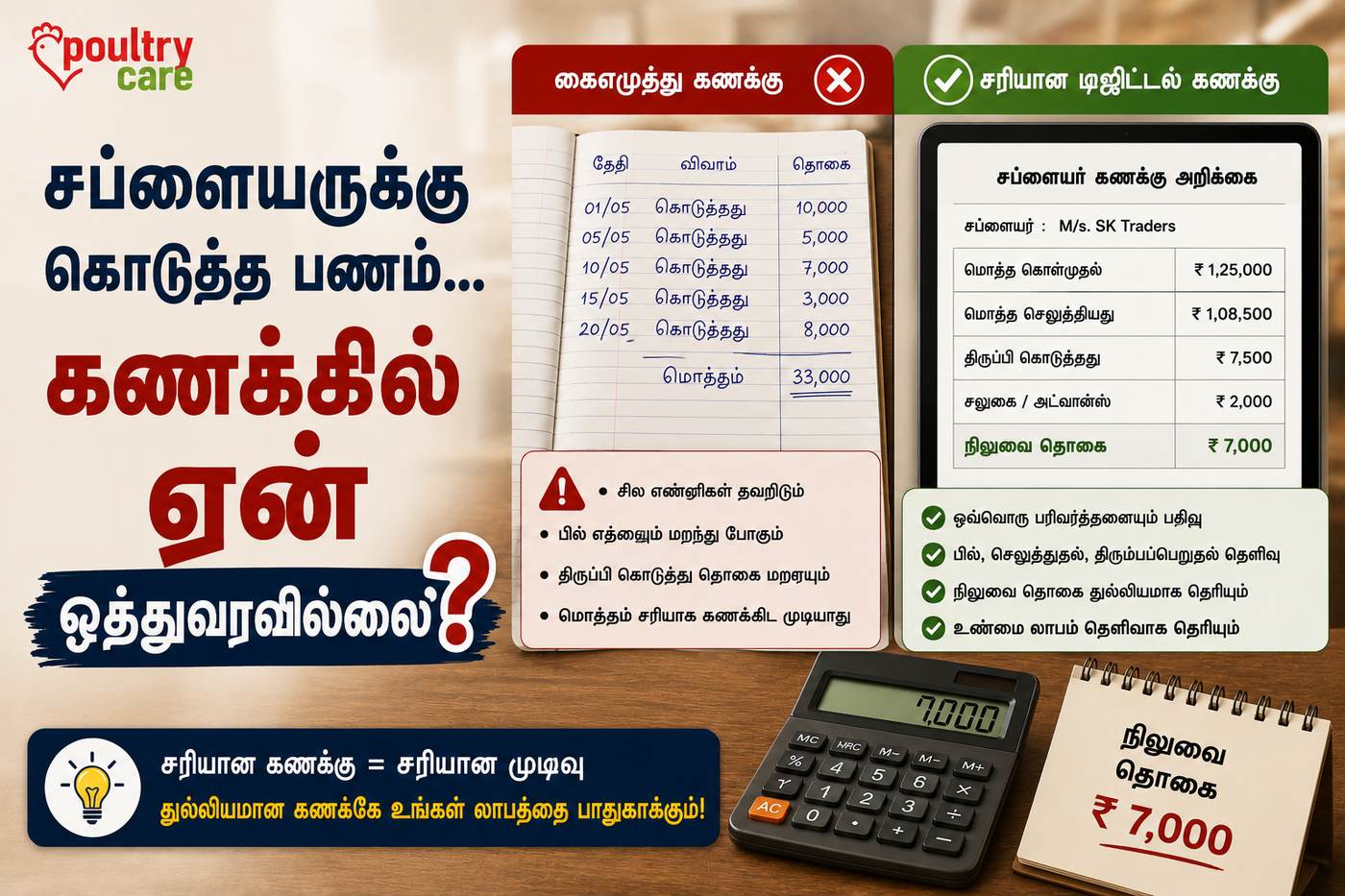
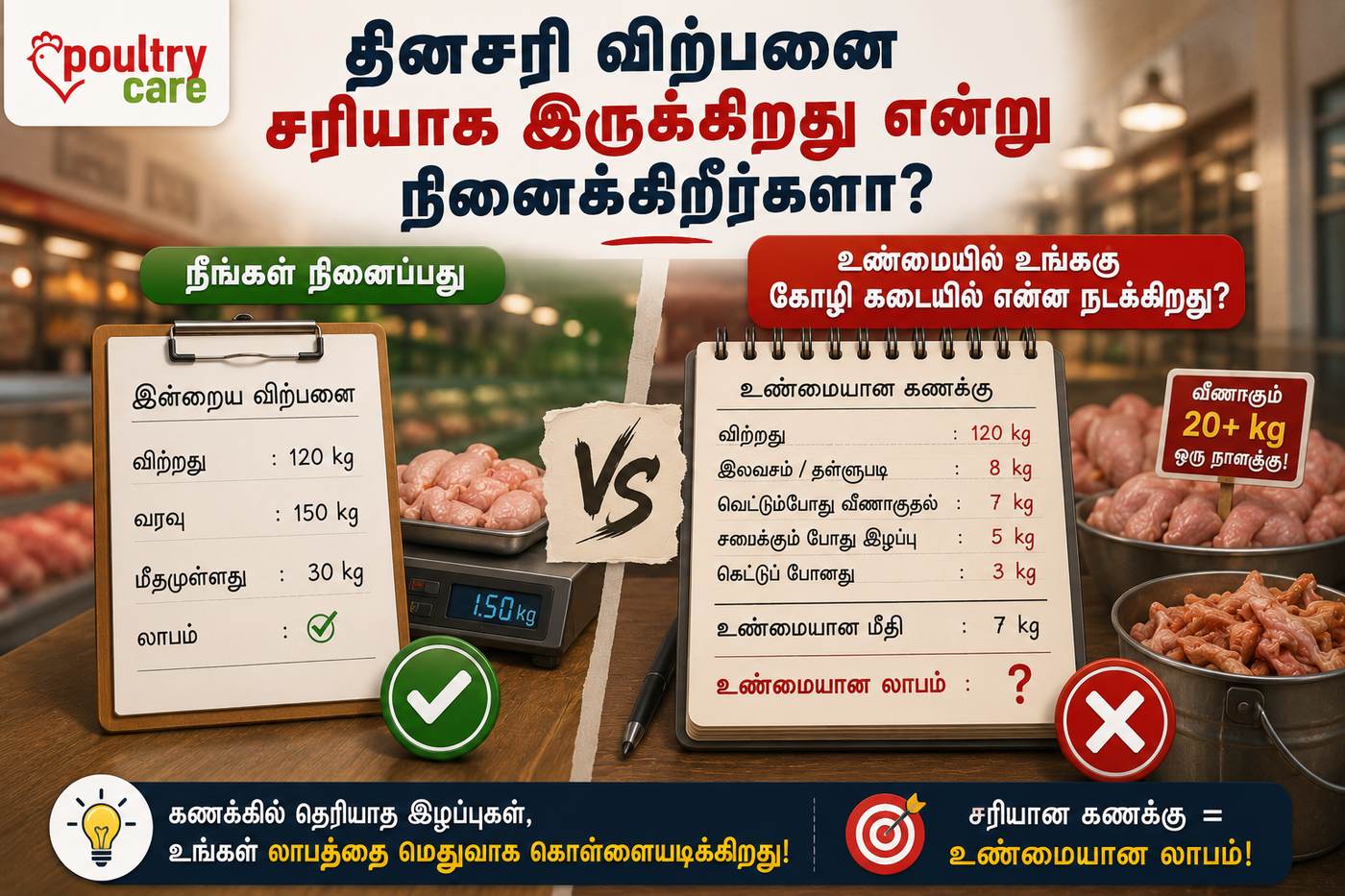
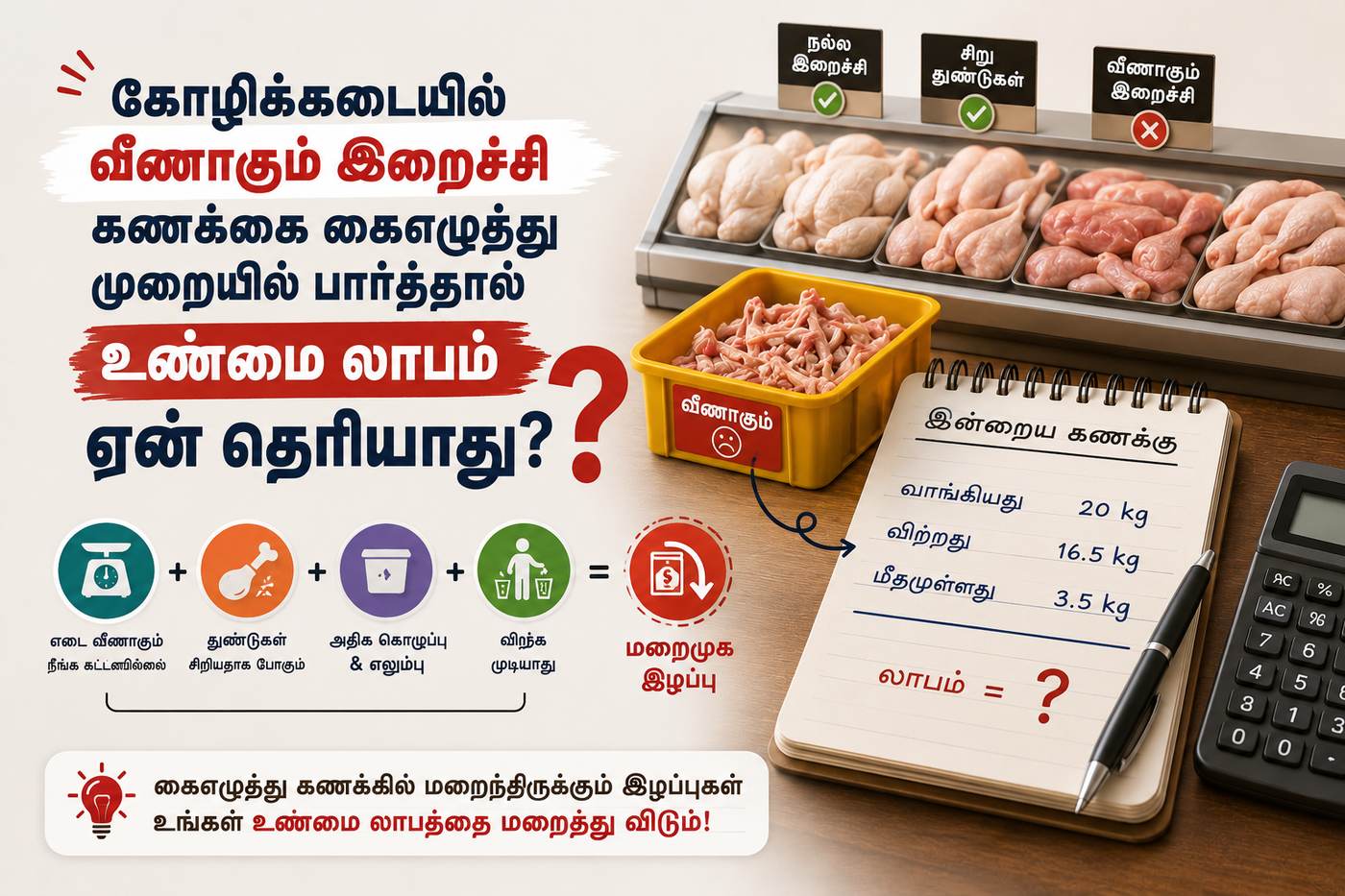
Most people think the market is unpredictable. But in many cases, the real problem is not the market. It is lack of visibility. If you do not clearly know how many birds are ready, how many orders are already confirmed, and how many customers are likely to buy, prediction becomes difficult. Without clear data, even good experience cannot give accurate estimation.
A Quick Reality Check
Before thinking about tomorrow’s sale, ask yourself
Do I know today’s confirmed orders clearly
Do I know how many birds are actually ready
Do I know which customers are active right now
If these are not clear, tomorrow will always feel uncertain.
What Makes Estimation Possible
Estimation becomes possible when your current situation is clear. When you have visibility of stock, order status, and customer demand, you can see patterns. You understand how much usually moves in a day and what is likely to happen next. This does not make prediction perfect, but it makes it practical.
How Lack of Estimation Creates Loss
When you cannot estimate sales, you either overprepare or underprepare. If you expect more demand and it does not come, birds stay longer, increasing cost. If demand is higher and you are not ready, you lose sales and customer trust. In both cases, the business suffers. The issue is not selling ability, but planning ability.
From Guessing to Understanding Patterns
The shift in trading comes when you stop guessing and start observing patterns. Daily sales, customer buying behavior, and market movement all create patterns over time. When these are visible, estimation improves. You start making decisions based on trends instead of assumptions.
A Small Habit That Improves Tomorrow’s Clarity
At the end of each day, take a few minutes to review
How much was sold today
Which customers bought
What demand was missed
This simple review helps you understand the direction of demand. Slowly, your estimation becomes stronger.
Why Clear Orders Improve Prediction
Confirmed orders are the strongest base for estimation. When you know what is already booked, half of your uncertainty is gone. The remaining part becomes easier to manage. Without clear order tracking, everything depends on last-minute calls, which increases confusion.
One Simple Thought to Remember
Tomorrow’s clarity depends on today’s visibility
If today is not clear, tomorrow cannot be predicted.
How Better Estimation Builds Confidence
When you can estimate your sales, your confidence improves. You make better decisions on pricing, stock movement, and customer commitment. You reduce last-minute stress and increase control over your business.
Building a Business That Plans Ahead
A strong poultry trading business does not depend only on daily selling. It focuses on planning ahead. When estimation improves, planning becomes easier. Work becomes smoother, and results become more consistent.
Conclusion
In poultry trading, tomorrow’s sale may not be perfectly predictable, but it should not feel like complete guesswork. When clarity improves in stock, orders, and demand, estimation becomes possible. This reduces confusion, improves decisions, and brings more control. The real strength of a trader is not just selling today, but understanding what is likely to happen tomorrow.