
Let us talk honestly about something every poultry trader faces but rarely discusses openly.
Ask any farm or trading office one simple question.
“How many live birds do you have right now?”
Most answers will not come immediately. Someone will call the supervisor. Someone will check a notebook. Someone will estimate based on yesterday’s number.
And finally, a number appears. But deep inside, everyone knows it is only an approximation.
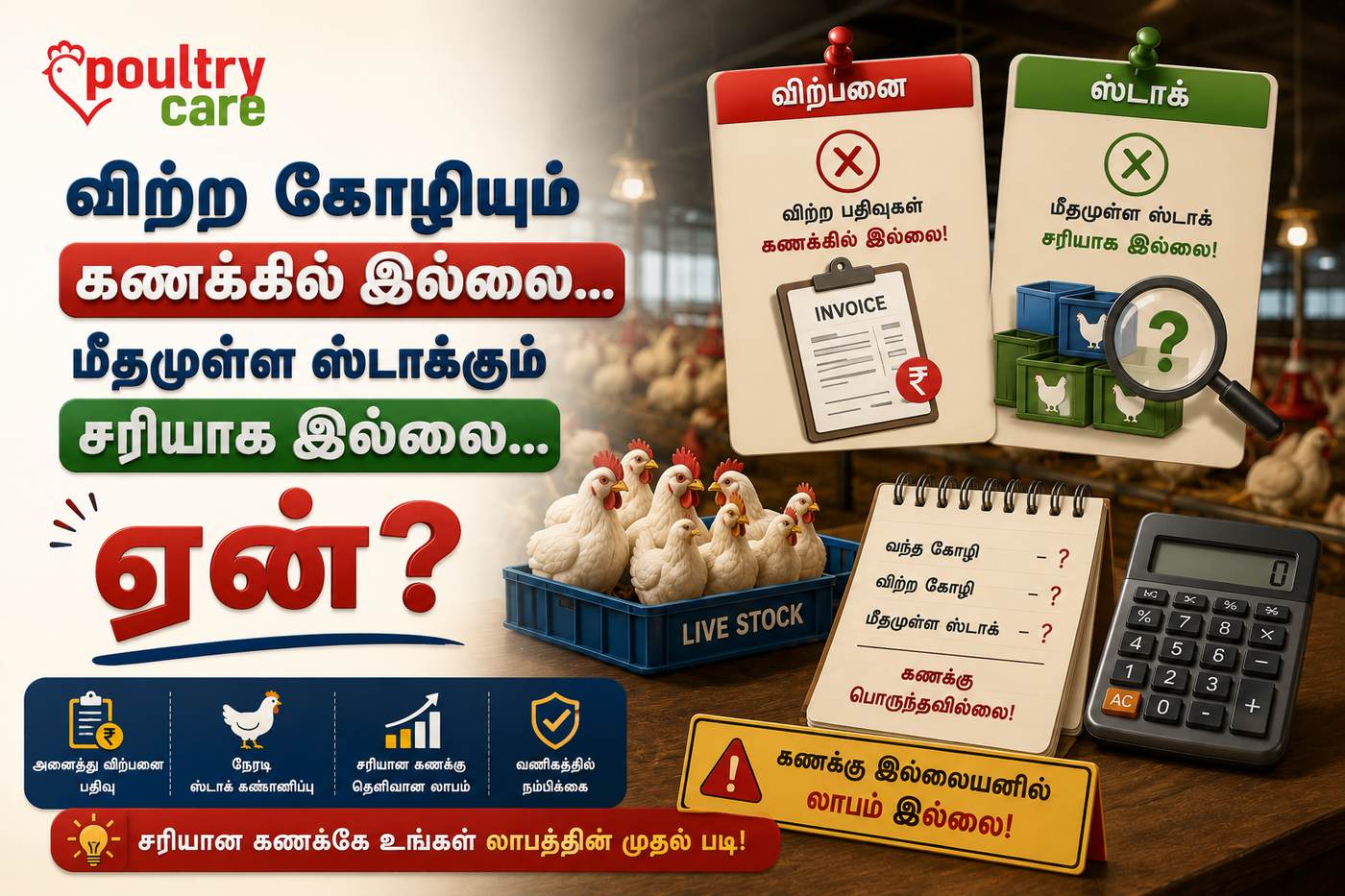
In poultry trading, guessing stock has silently become normal. But the truth is simple. When live stock is unclear, business decisions also become unclear.
Tracking live birds properly is not difficult. The real challenge is discipline, coordination, and visibility.
Why Live Stock Tracking Feels Difficult
Many farmers believe tracking live stock accurately requires complex systems or extra workload. In reality, the difficulty comes from disconnected activities.
Birds move continuously. Mortality happens daily. Sales happen quickly. Transfers between sheds or farms occur without structured recording.
Each activity looks small at the moment. But when updates are delayed, numbers slowly drift away from reality.
By evening, the physical birds and recorded birds are already different.
When this continues for days, the business starts operating on assumptions instead of facts.
Live stock tracking poultry operations fail not because of lack of effort, but because information moves slower than birds.
The Hidden Cost of Not Knowing Exact Bird Count
When you do not know your real stock, several silent problems begin.
Sales teams hesitate to confirm orders because availability is uncertain. Sometimes birds are oversold. Sometimes opportunities are missed because stock looks lower on paper.
Feed planning becomes inaccurate. Medicine usage cannot be evaluated properly. Mortality analysis loses meaning because the starting number itself is unclear.
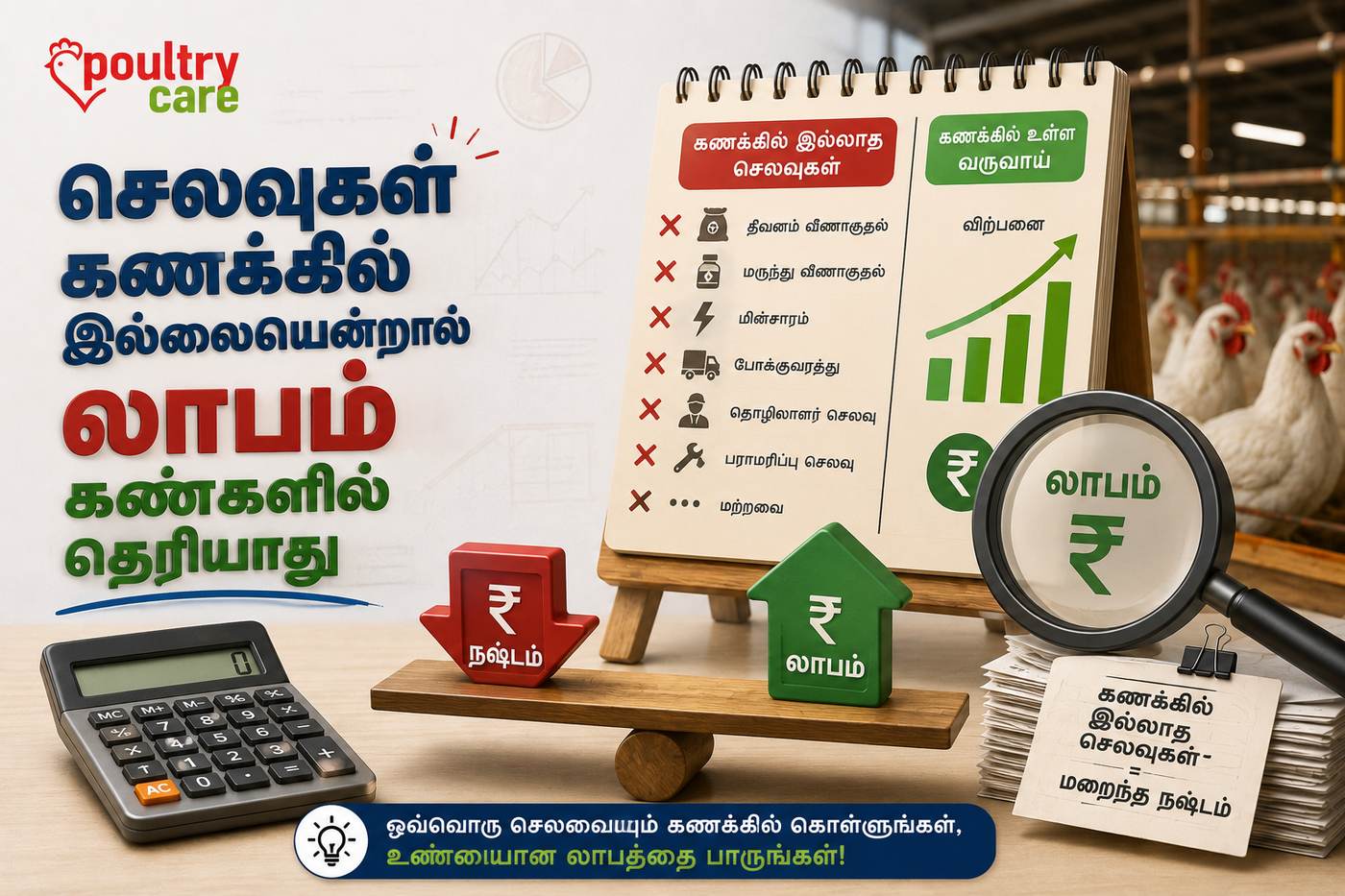
Slowly, profit calculation becomes guesswork.
Many traders think losses happen due to market price changes. But often, losses start earlier, when visibility disappears.
Daily poultry stock control is not about counting birds. It is about protecting business clarity.
Where Tracking Usually Breaks
Live stock tracking rarely fails in one big moment. It breaks in small daily gaps.
Morning mortality recorded on paper but updated later.
Bird loading completed before entries are finalized.
Farm transfers communicated verbally but not documented immediately.
Each delay creates a tiny mismatch.
By the end of the week, nobody fully trusts the numbers. And when numbers are not trusted, decisions slow down.
The business begins reacting instead of managing.
Proper poultry bird inventory management depends more on timing than technology. Recording at the right moment matters more than recording perfectly later.
How Clear Tracking Changes Trading Confidence
Something interesting happens when live stock visibility improves.
Decisions become faster.
A trader can confidently say yes to a buyer because availability is known. Dispatch planning becomes smoother. Vehicle scheduling improves. Customer commitments become reliable.
Even team communication changes. Instead of arguments about numbers, discussions focus on improvement.
Confidence grows because everyone works with the same reality.
Farm owners often realize that accurate tracking does not increase workload. It reduces confusion.
And less confusion always means better profit control.
Tracking Is Not About Control, It Is About Awareness
Many teams resist tracking because they feel it is monitoring people. But successful farms treat tracking differently.
Tracking is awareness.
It helps identify where losses occur, where efficiency improves, and where attention is required.
When live stock is visible daily, problems are detected early. Mortality spikes are noticed quickly. Feed consumption patterns become clearer. Operational gaps reveal themselves naturally.
Instead of correcting mistakes later, the farm prevents them earlier.
That shift alone changes business performance.
Building a Habit of Daily Visibility
Accurate live stock tracking is not created by one big change. It grows through small consistent habits.
Daily updates immediately after activity.
Clear responsibility for recording movements.
Simple verification between physical and recorded stock.
Over time, these habits remove dependency on memory or estimation.
The farm begins operating with confidence instead of approximation.
And once daily visibility becomes routine, month-end surprises slowly disappear.
The Bigger Impact Beyond Numbers
Live stock tracking is not only about counting birds. It shapes how the entire trading system works.
Buyers trust delivery commitments. Teams coordinate better. Financial understanding improves. Planning becomes proactive instead of reactive.
Most importantly, stress reduces.
Farmers who know their real numbers sleep better because uncertainty reduces.
Clarity creates calm decision-making, and calm decisions build sustainable growth.
Final Thought
So can live stock be tracked properly?
Yes. But not through complicated methods.
It happens when daily actions are connected, updates are timely, and visibility becomes part of routine work.
In poultry trading, profit does not begin at selling price. It begins with knowing exactly what you have.
Because the moment you stop guessing your stock, you start controlling your business.