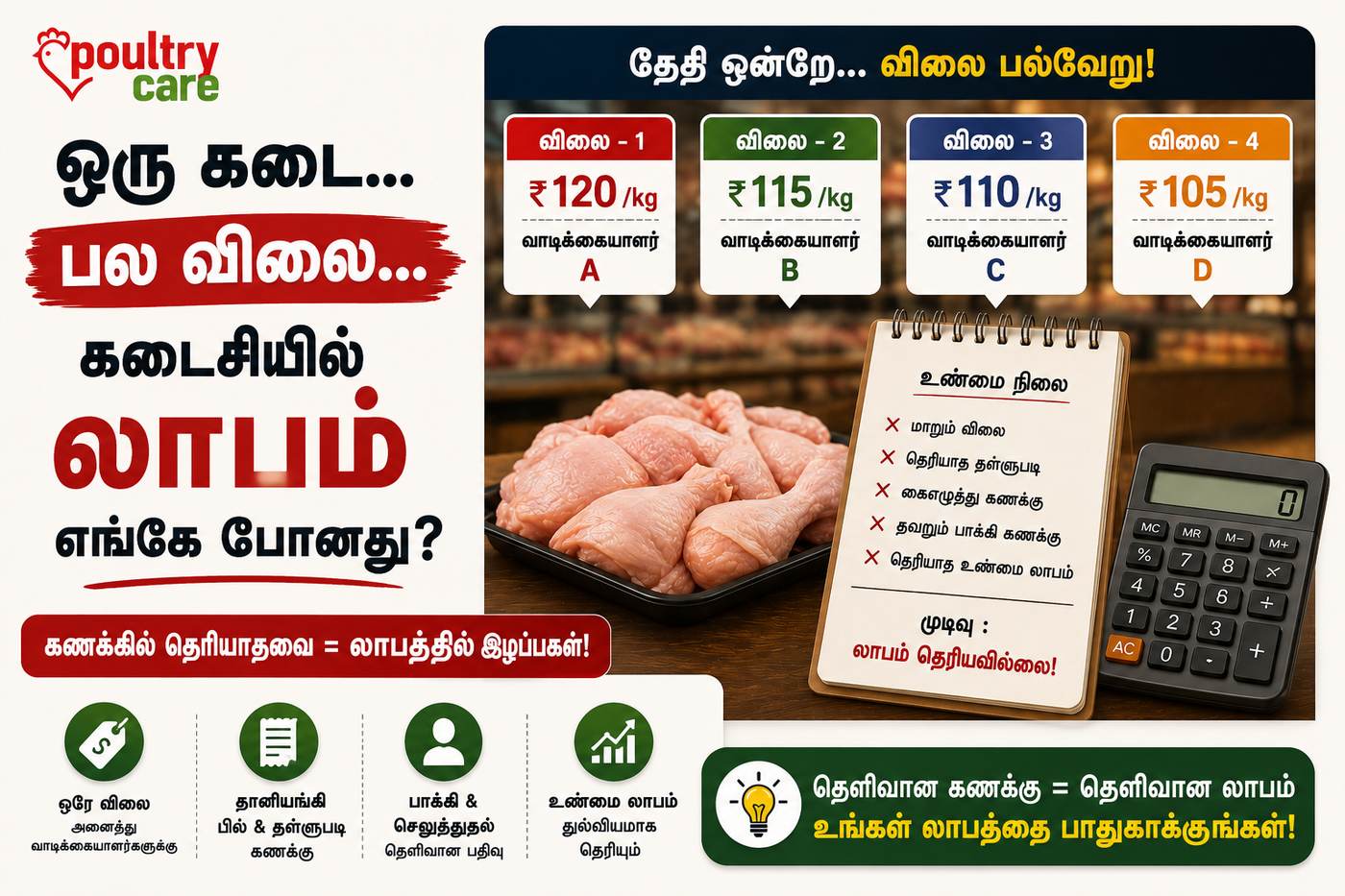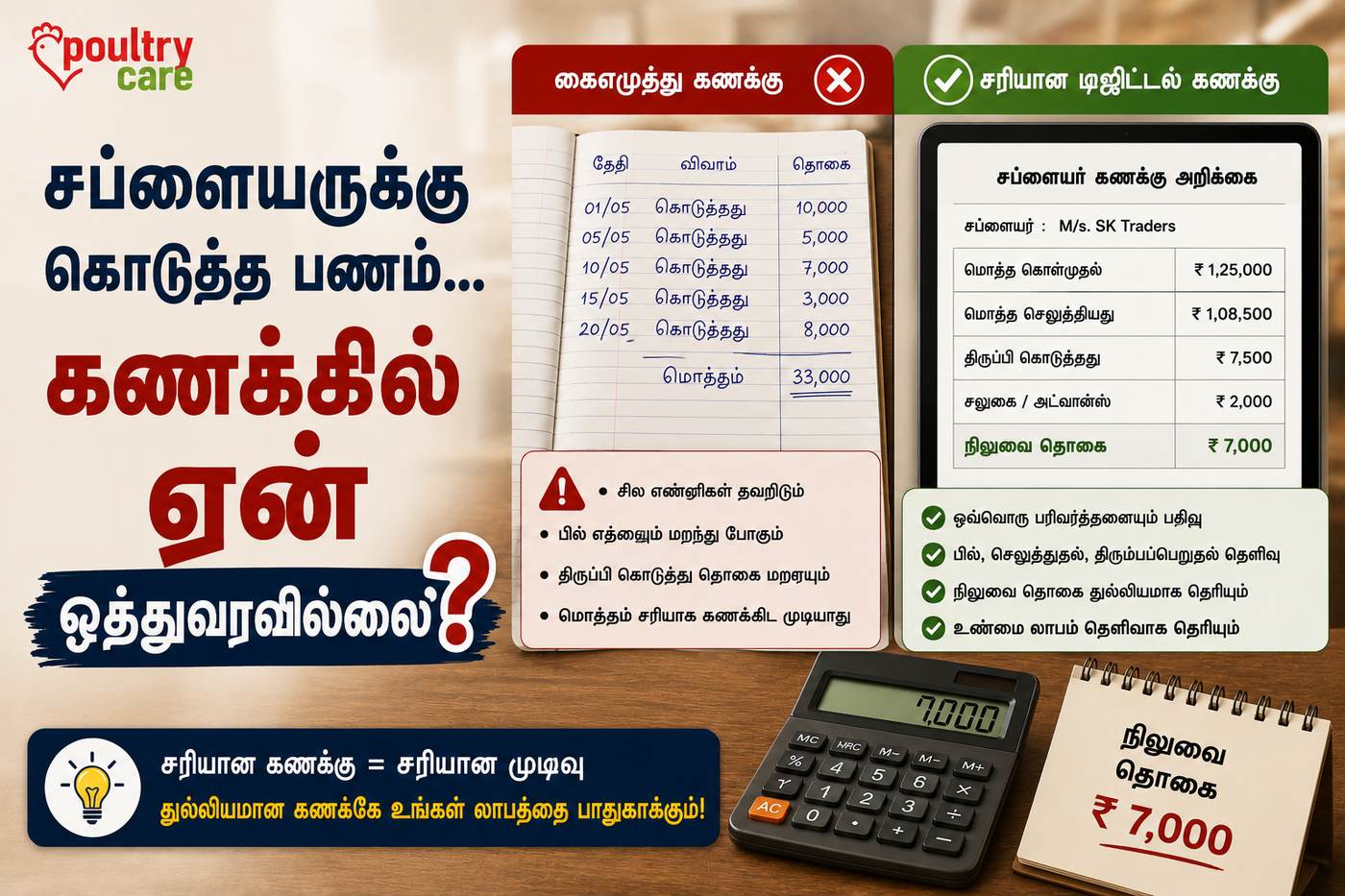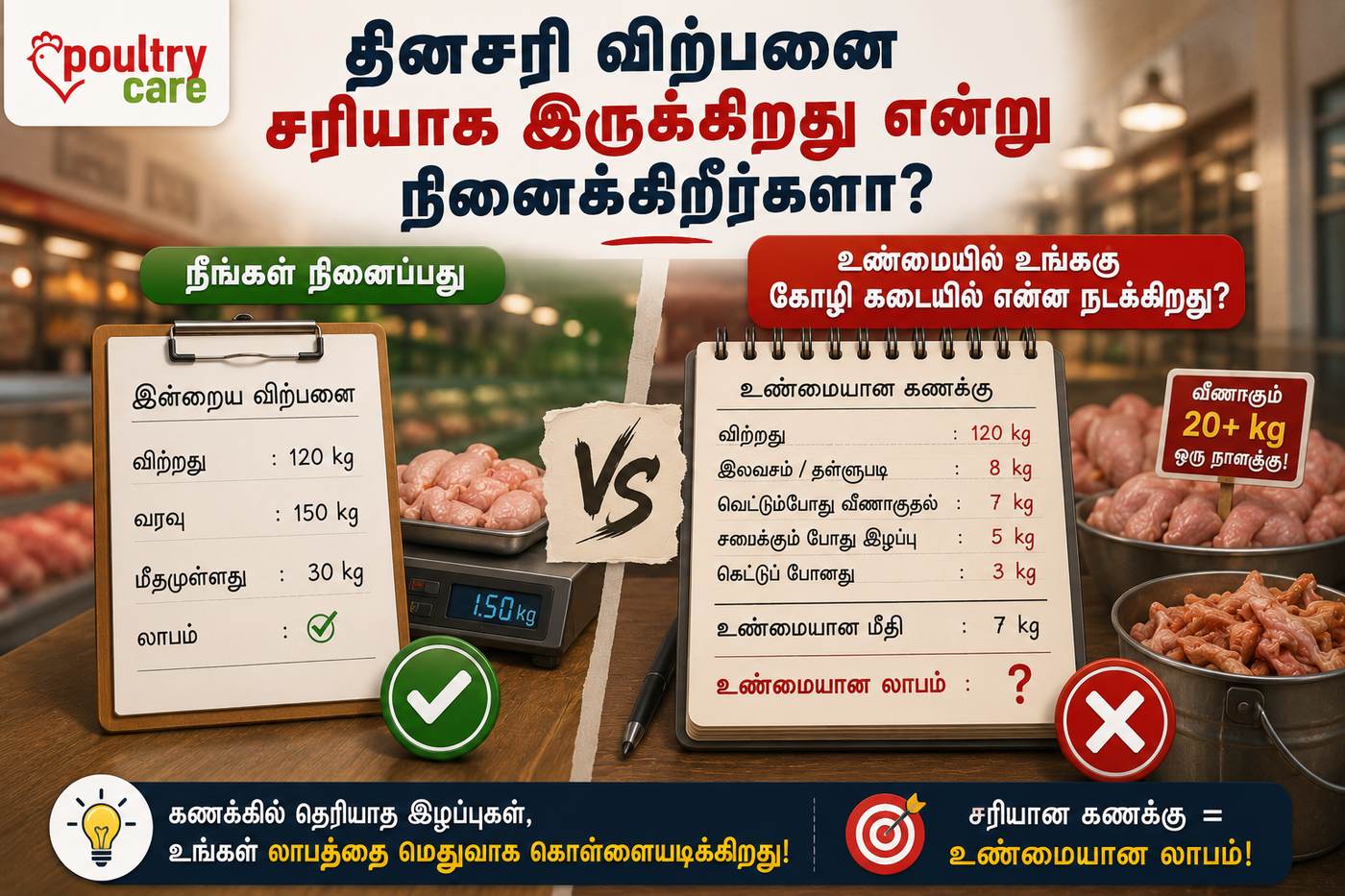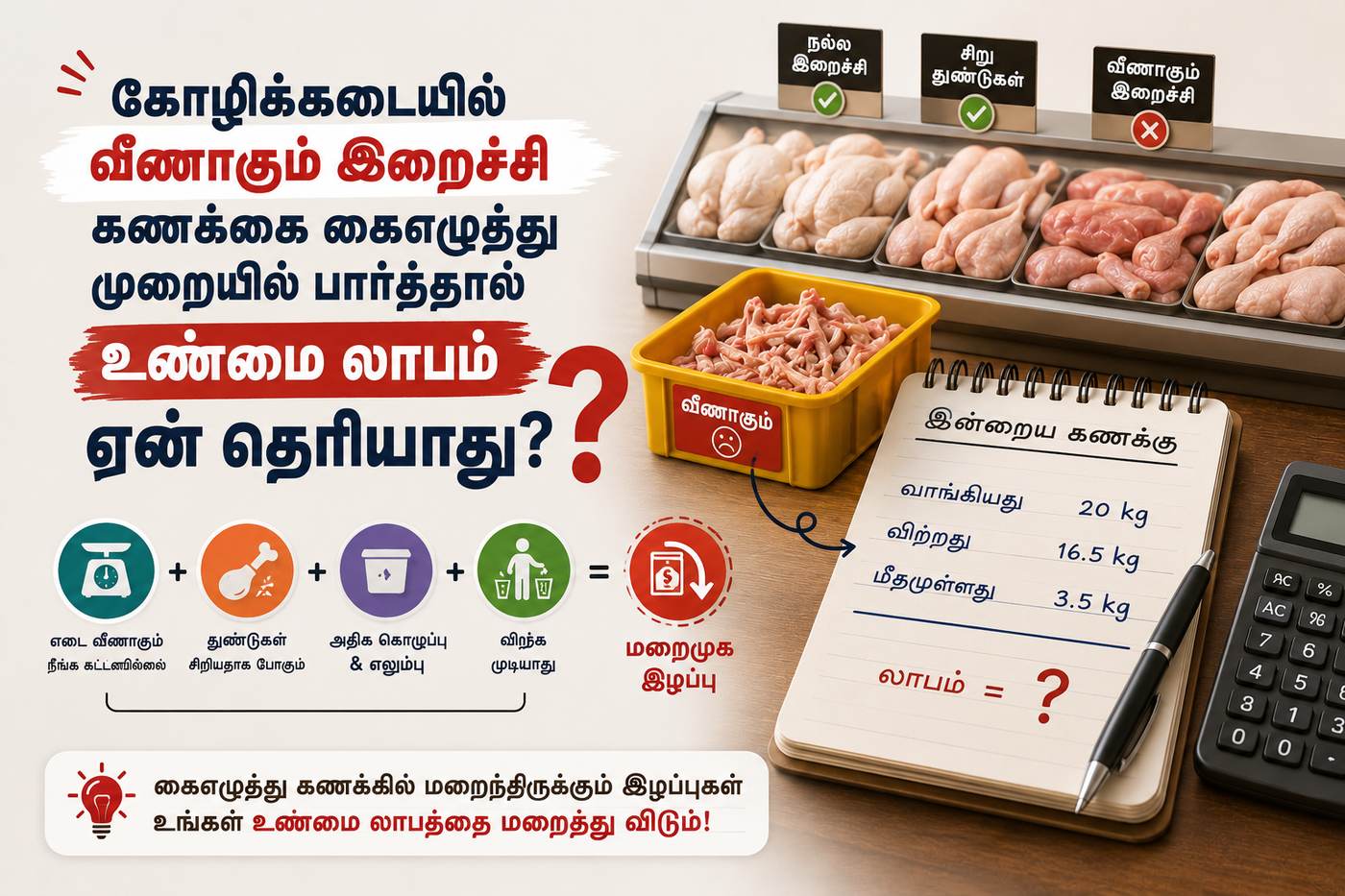
Let me speak to you like we usually speak during a farm visit when loading is happening and phones are ringing from the market side. Many poultry traders are strong in buying and strong in selling. But the area between these two points is often handled by habit instead of control. That middle gap is where most margin quietly leaks.
Farm to sale control is not about big technology or complicated systems. It is about clear visibility from the moment birds are planned for lifting until the moment they are delivered and confirmed. When this chain is loose, confusion grows. When this chain is tight, profit becomes steady.
I have seen small traders improve margin without changing market or volume, just by improving control between farm and sale point. Let us walk through this journey in a practical, ground level way.
Control Starts Before Birds Are Lifted
Most people think control starts when birds are loaded into the vehicle. Actually control begins much earlier. It starts at planning. Which farm. What quantity. What average weight. What pickup time. Which vehicle. Which route. Which customer.
When these decisions are made casually through quick calls and memory, mismatch risk increases. Farm keeps birds ready too early. Vehicle arrives late. Customer changes requirement. Quantity differs. All this creates last minute pressure.
Pressure creates mistakes. Mistakes create loss.
When lift planning is written clearly and shared with everyone involved, confusion reduces. Farm team prepares correctly. Transport comes at the right time. Customer expects correct arrival window. Simple planning reduces many hidden losses.
Visibility During Loading Changes Outcomes
Loading is one of the most sensitive points in the farm to sale chain. But it is often treated as routine labor work. In reality, it is a control point.
When loading is not supervised properly, crate count errors happen. Bird handling becomes rough. Overcrowding in crates reduces airflow. Loading time stretches. Vehicles wait with engine running. Fuel burns. Birds stress.
When someone responsible watches loading with calm attention, quality improves immediately. Count is confirmed. Crate condition is checked. Space is balanced. Timing is noted. Small discipline here protects value later.
Good loading is not about speed alone. It is about correctness plus care.
Transport Control Is More Than Sending the Vehicle
Many traders feel once the vehicle leaves the farm, the job is done until it reaches market. This thinking creates a blind zone. The transport phase needs active visibility.
Departure time, route choice, delay updates, and expected arrival should be known. Not by constant calling and shouting, but by simple trip reporting habit. When driver shares start, midpoint, and arrival updates, surprises reduce.
Without this visibility, market side waits without clarity. Labor may not be ready. Unloading gets delayed. Birds sit longer in the vehicle. Stress and shrink increase.
Transport control is not micromanaging the driver. It is keeping the trip visible.
Sale Point Confirmation Is Often Too Casual
Another weak control point is delivery confirmation. Many traders depend on verbal confirmation. Customer says load received. Driver says unloaded. Case closed. Later, weight difference or count difference appears in settlement.
Strong farm to sale control includes clear delivery confirmation. Quantity received. Condition observed. Time completed. Any loss noted. When confirmation is structured, disputes reduce and trust improves.
This is not about distrust. It is about clarity. Clear confirmation protects both trader and customer relationship.
Records Connect the Full Story
One major reason farm to sale control stays weak is missing connected records. Farm lifting record is separate. Transport expense is separate. Sale record is separate. Since they are not connected, full picture is never seen together.
When lifting quantity, transport trip, and sale delivery are connected in simple records, truth becomes visible. You can see how much was lifted, how much traveled, how much delivered, and how much difference appeared.
Without connected records, loss looks like mystery. With connected records, loss shows its location.
Many traders think recording is heavy work. In practice, even simple daily noting builds powerful clarity over time.
Timing Discipline Protects Margin
Timing plays a bigger role than most people realize. Late lifting pushes transport into heavy traffic hours. Late arrival pushes unloading into busy market time. Late unloading delays next trip. Full day chain gets disturbed.
Birds also react to timing. Travel during cooler hours reduces stress. Faster movement reduces shrink. Planned timing improves both cost and bird condition.
When timing is treated casually, loss increases silently. When timing is treated as control factor, margin improves naturally.
Responsibility Should Be Clear at Each Step
In many trading setups, responsibility is mixed. Everyone is involved but nobody is fully responsible. Farm blames transport. Transport blames market delay. Market blames late dispatch. The result is confusion without correction.
Farm to sale control improves when each step has a clear responsible person. One person confirms lift details. One person confirms trip start and progress. One person confirms delivery closure. When responsibility is named, follow up becomes easier.
This is not about creating pressure. It is about creating ownership.
How Simple Process Thinking Changes Trading Stability
I have seen this again and again. Traders who move from habit based operation to simple process based operation become more stable. Not complicated process. Simple process. Written lift plan. Noted loading count. Visible trip movement. Confirmed delivery record.
With this, surprises reduce. Firefighting reduces. Margin becomes more predictable. Team stress reduces. Customer confidence improves.
Farm to sale control is not a luxury. It is a profit protector.
From Deal Focus to Flow Focus
Most poultry traders are trained to focus on deals. Good deal, good rate, good buyer. That is important. But long term profit comes from flow control, not deal control alone.
Flow means how smoothly birds move from farm to customer with minimum confusion, minimum delay, minimum leakage. When flow is controlled, deals become more profitable automatically.
Do not look only at buy and sell points. Look at the path between them. That path carries your real margin. When you bring visibility and simple discipline into that path, your trading business becomes stronger, calmer, and more profitable without increasing effort — only by improving control.