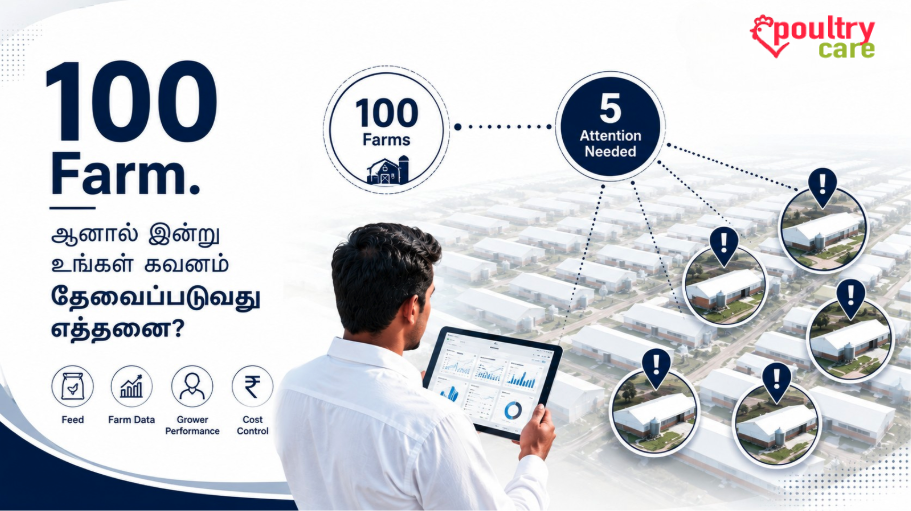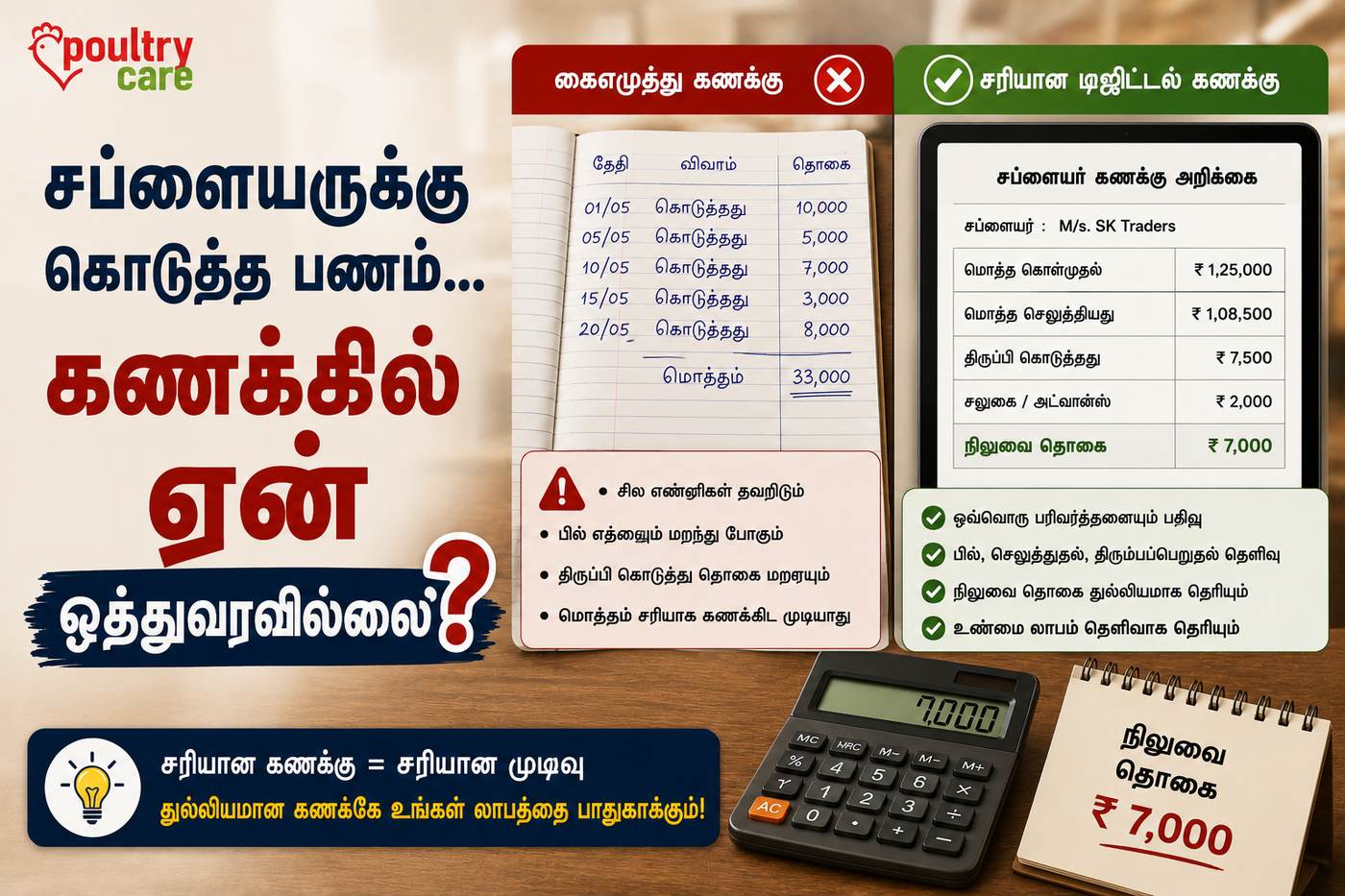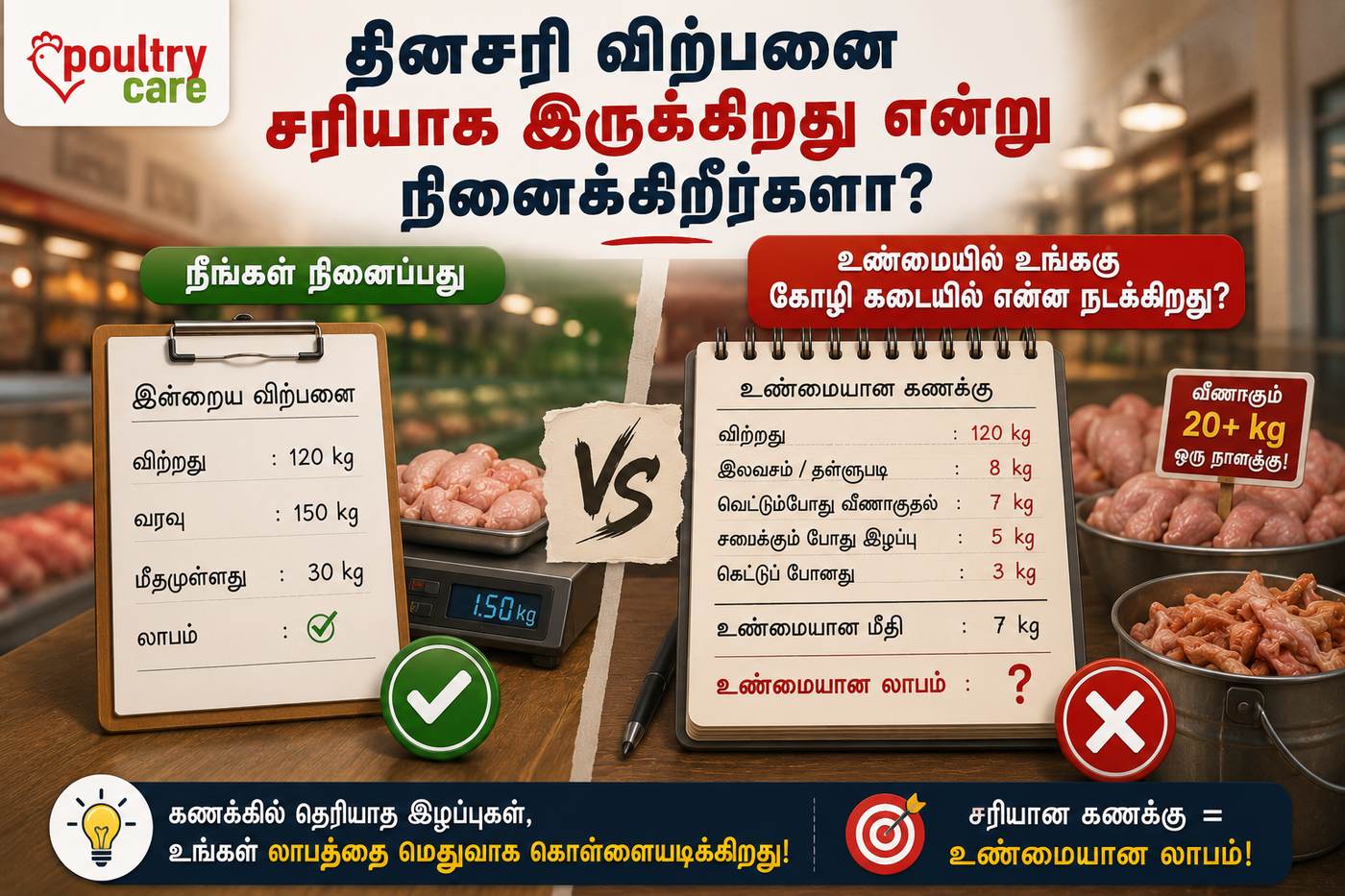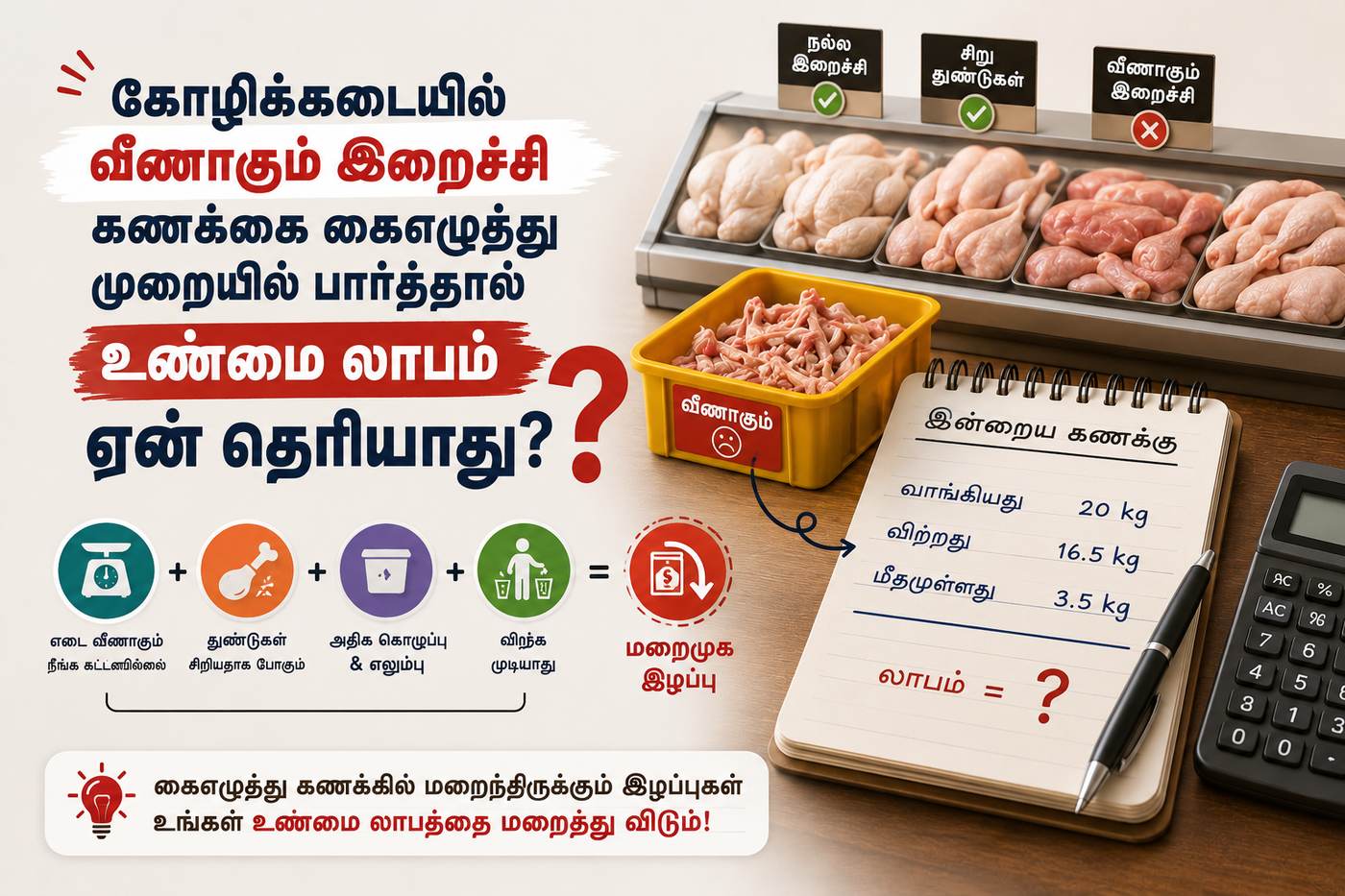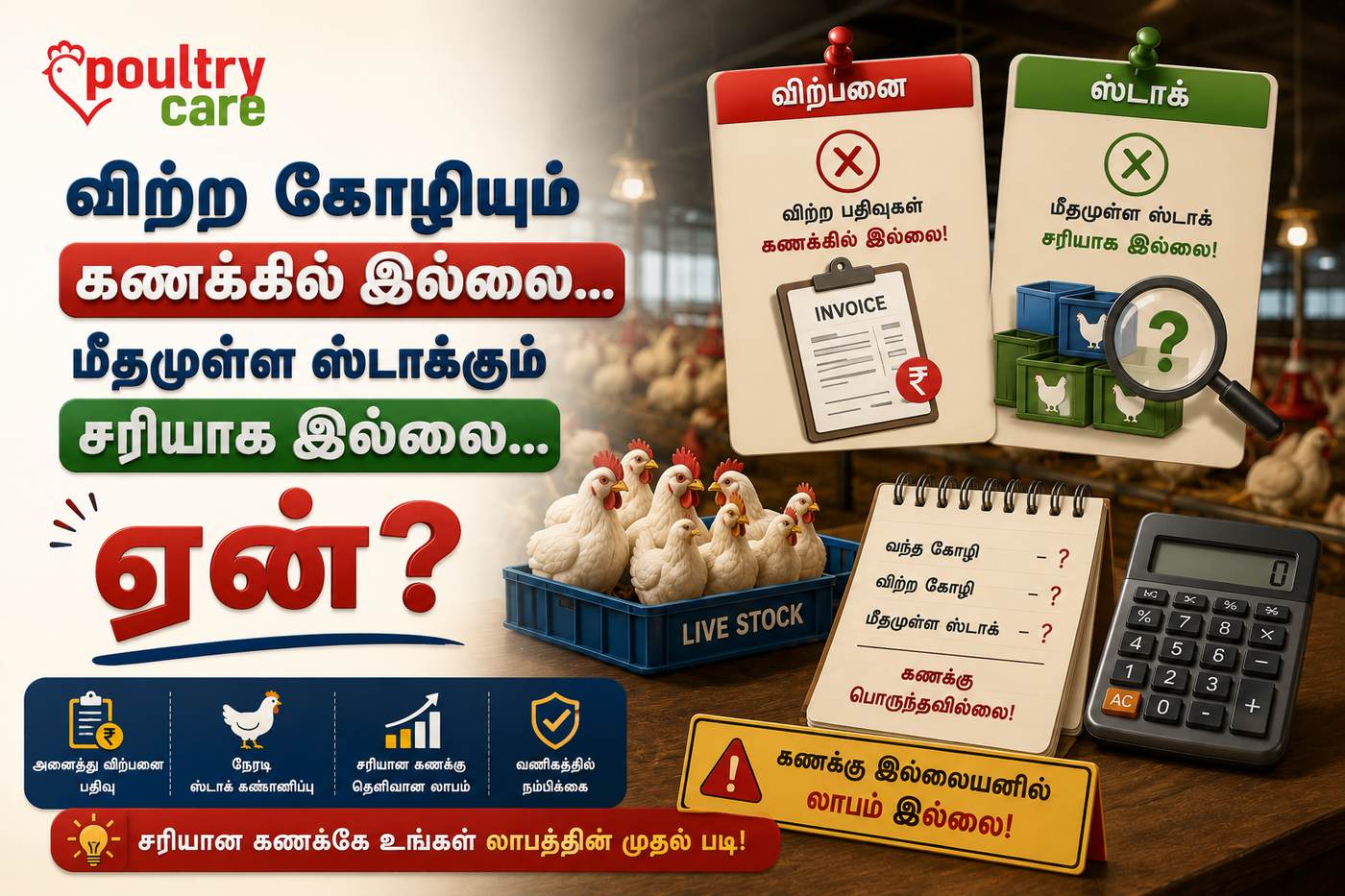

Let us speak openly like we do after a tough delivery day. Birds were healthy. Market rate was acceptable. Quantity looked correct at loading. Still, at the end of the day, margin feels thinner than expected. When we check deeper, we don’t always find disease or price crash. Many times, the real reason is simple — poor coordination.
In poultry trading, coordination is not office theory. It is daily survival. From farm lifting to customer delivery, many people are involved. If they are not aligned in timing, quantity, responsibility, and communication, small gaps start appearing. Those gaps slowly turn into financial loss.
Poor coordination does not create loud damage. It creates silent leakage. Let us understand clearly where this happens and how farmers can prevent it.
When Planning Is Casual, Loss Becomes Regular
The first coordination gap starts in planning itself. Many trading operations depend on phone calls and memory. Lift plan is discussed verbally. Quantity is roughly estimated. Vehicle timing is loosely agreed. Customer is informed partially.
On normal days, this may work. On busy days, confusion begins.
If farm prepares birds earlier than vehicle arrival, birds wait longer in crates. If vehicle arrives before birds are ready, loading becomes rushed. If customer is not informed properly, unloading gets delayed. All this begins from weak planning coordination.
Good coordination begins with clear lift plan — confirmed quantity, average weight, pickup time, vehicle assignment, and expected delivery time. When this information is clearly shared among farm, transport, and sales, half the confusion disappears.
Planning is not paperwork. It is profit protection.
Loading Without Alignment Creates Chain Reaction Loss
Loading stage looks simple but it is one of the most sensitive coordination points. Catching team, farm supervisor, transport driver, and sometimes trader representative are all present. If they are not aligned, mistakes multiply.
Sometimes crate count is not cross-checked. Sometimes bird density per crate differs from expectation. Sometimes damaged crates are used because no one checked earlier. Sometimes dispatch time is delayed but market is not informed.
These small coordination failures create bigger consequences later. Late dispatch pushes arrival into traffic hours. Traffic delay increases bird stress. Stress increases shrink. Shrink reduces final sale value.
Loss that started at loading shows up at settlement.
When loading is treated as a coordinated activity — with clear roles, count verification, and departure confirmation — risk reduces significantly.
Transport Without Real-Time Visibility Is Blind Movement
After loading, many farmers assume their work is done. But transport is not just movement. It is value under risk.
If route changes are not communicated, arrival gets delayed. If driver stops longer due to unclear instructions, birds remain under stress. If breakdown happens and no backup plan exists, mortality increases.
Poor coordination during transport mostly comes from lack of structured updates. Everything depends on reactive calls. By the time someone realizes delay, it is already late.
Even simple coordination habits improve transport quality. Departure time recorded. Mid-route update shared. Estimated arrival time informed to market. These are small actions but powerful in preventing surprises.
Transport should not operate on assumption. It should operate on awareness.
Market-Side Miscommunication Reduces Final Margin
Arrival at customer point is another critical coordination stage. If buyer is not prepared for unloading, vehicle waits. If weighing scale is occupied, birds stay inside longer. If receiving team does not match dispatch records, count confusion begins.
Often, farmers focus on dispatch but ignore receiving coordination. Delivery closure becomes casual. Later, disputes arise about shortage or mortality.
Strong coordination means that receiving team is informed in advance, arrival is acknowledged, unloading starts quickly, and final count is confirmed before vehicle leaves.
Coordination at delivery stage protects both money and relationship.
When Responsibility Is Shared, Loss Is Owned by No One
One of the biggest reasons poor coordination creates repeated loss is unclear responsibility. Everyone participates, but no one owns the stage fully.
Farm says transport issue. Transport says loading issue. Sales says communication issue. Customer says delay issue. Each one may be partly correct, but without defined responsibility, correction never happens.
Clear stage ownership improves coordination instantly. One person confirms lift details. One person tracks trip progress. One person closes delivery record. When ownership is visible, follow-up improves naturally.
Responsibility clarity builds coordination discipline.
Small Coordination Gaps That Quietly Eat Profit
Many farmers calculate only visible loss like mortality. But coordination gaps also create hidden financial impact.
Fuel increases due to waiting. Labor overtime increases due to delay. Shrink increases due to extended travel time. Repeat customers become dissatisfied due to inconsistent delivery timing.
These losses are not dramatic, but when added monthly, they significantly reduce net profit.
Poor coordination slowly creates unstable trading performance. Farmers feel business is unpredictable. In reality, unpredictability comes from uncontrolled process links.
Moving from Reactive Work to Coordinated Flow
In many poultry businesses, daily operations are reactive. Someone calls with urgency. Vehicle is arranged quickly. Loading is rushed. Market is informed late. Then entire day becomes firefighting.
Coordinated operations feel calmer. Lift plan is prepared early. Transport is aligned. Market is informed. Loading is supervised. Updates are shared. Delivery is closed properly.
The difference between reactive and coordinated trading is not technology first. It is mindset first. When teams understand that coordination protects margin, they naturally follow better discipline.
Over time, coordinated farms notice fewer disputes, fewer surprises, and more stable profit.
Why Coordination Is More Powerful Than Price Negotiation
Many traders focus heavily on negotiating a better buy rate or sell rate. That is important. But even strong negotiation cannot protect margin if coordination is weak.
You may gain one rupee per kilogram in negotiation, but lose more through shrink, delay, or confusion. Coordination reduces operational loss that negotiation cannot recover.
True trading strength is not just market intelligence. It is operational discipline.
When farm, transport, and market move like one connected chain instead of separate units, profit becomes more predictable.
Poor coordination does not look dangerous at first. But it slowly weakens business confidence. Strong coordination, even with simple tools and clear habits, creates stability.
If you review your last few difficult deliveries carefully, you will likely find that the root cause was not bad birds or bad price. It was a coordination gap somewhere between planning, loading, transport, or receiving.
Fix that gap, and you will not only reduce loss — you will build a stronger, calmer poultry trading operation that grows steadily year after year.