
In poultry trading, arguments rarely begin because of price. Most conflicts start when numbers do not match.
A trader says a certain number of birds were dispatched. The customer claims fewer birds were received. The farm supervisor insists loading was correct. The driver remembers a different count. By evening, everyone is defending their side, and no one is fully confident about the truth.
These situations are common across poultry businesses. Many farmers believe disagreements are part of trading life. But in reality, arguments are not caused by people. They are created by stock confusion.
When stock visibility is unclear, every transaction becomes a matter of opinion instead of fact.
The Fast Nature of Poultry Trading Creates Pressure
Poultry trading operates under constant time pressure. Birds must move quickly. Loading happens early morning or late night. Deliveries must reach markets at specific times.
During busy operations, recording details often becomes secondary. Workers focus on completing dispatch rather than documenting it accurately.
Bird counts may be estimated during loading. Weight slips may arrive later. Delivery confirmation may depend on phone conversations instead of recorded proof.
At that moment, everything feels smooth. But hours later, small differences begin to appear.
What seemed like a minor delay in recording slowly becomes the starting point of disagreement.
Where Stock Confusion Actually Begins
Most farmers assume stock confusion happens during delivery. In reality, it begins much earlier.
Confusion starts when loading quantities are not recorded immediately. It grows when multiple people maintain separate records. It expands when updates are communicated verbally instead of being tracked systematically.
Each stage adds a small variation. One missing entry here, one delayed update there, and one assumption somewhere else.
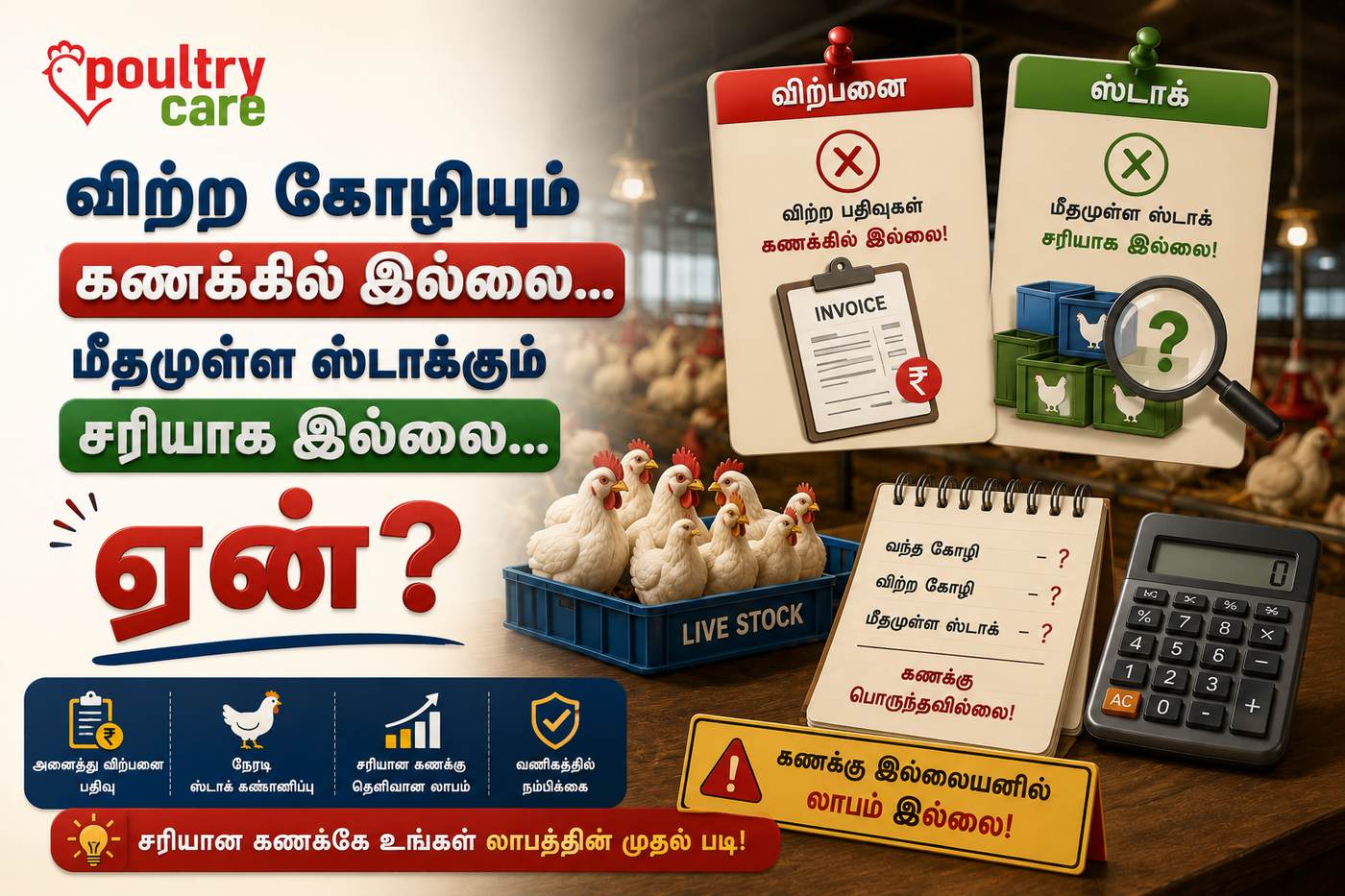
Individually, these differences look harmless. Together, they create a gap between physical stock and recorded stock.
When that gap appears, arguments become unavoidable because no single source of truth exists.
The Human Factor Behind Inventory Disputes
Poultry operations involve many people working together. Farm managers, loaders, transport drivers, traders, and buyers all participate in the same transaction.
Every person sees only one part of the process.
The loader remembers cages filled. The driver remembers transport delays. The buyer counts birds during unloading. The accountant checks only written records.
Because everyone experiences a different version of the same event, disagreements arise naturally when records are unclear.
Nobody intentionally creates mistakes. Yet without shared visibility, each person believes their version is correct.
This is why arguments feel personal even though the real issue is operational.
How Delayed Updates Turn Into Financial Conflicts
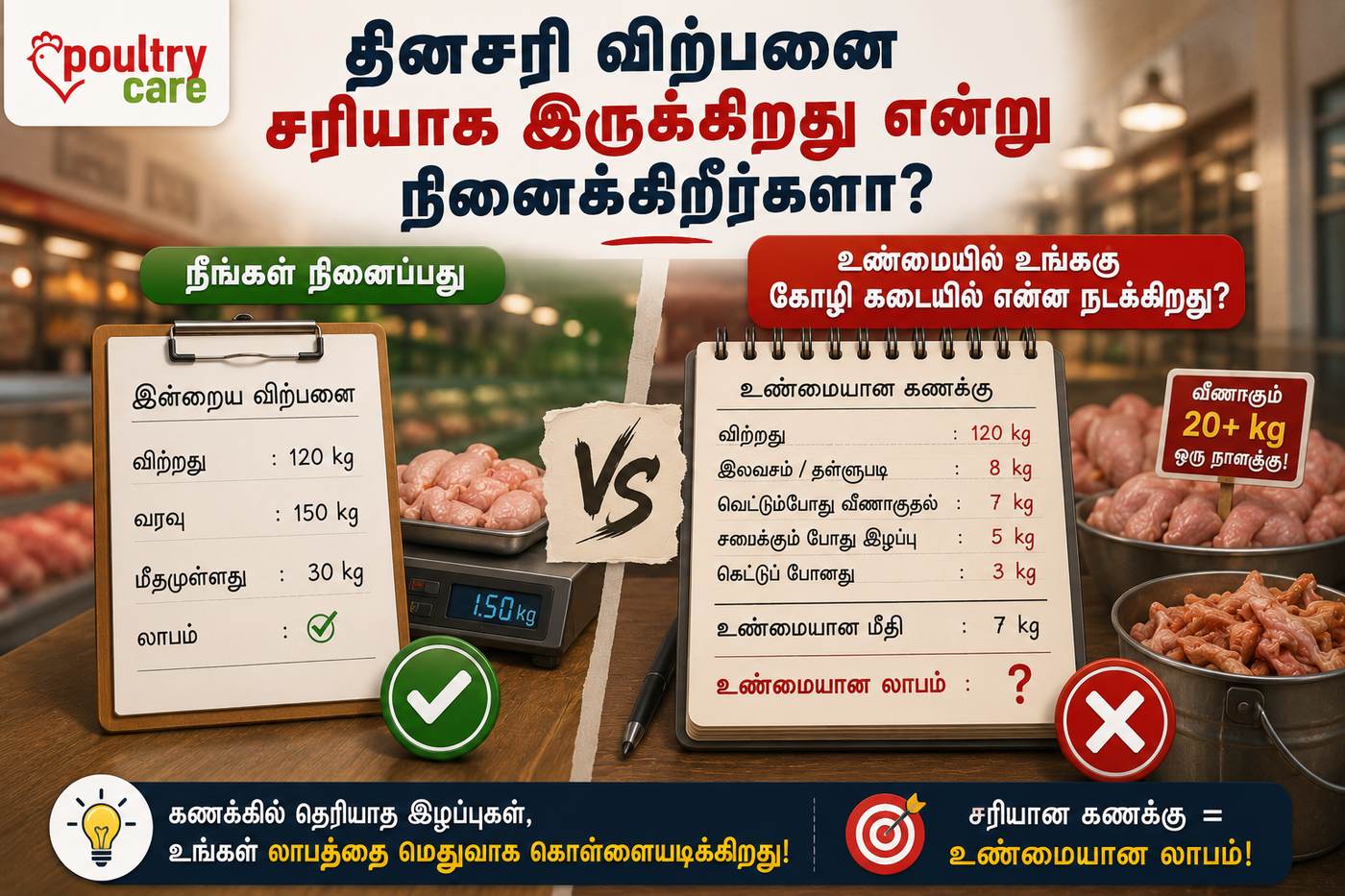
Stock confusion does more than create misunderstandings. It directly affects money.
When delivery quantities differ from expectations, payment disputes begin. Customers question invoices. Traders hesitate to release payments. Farmers struggle to calculate profit accurately.
Repeated disagreements slowly damage relationships. Buyers lose confidence. Staff become defensive. Decision-making becomes cautious and slow.
Instead of focusing on business growth, farmers spend time resolving past transactions.
The emotional cost becomes as heavy as the financial loss.
Why Manual Systems Increase Misunderstanding
Manual tracking methods depend heavily on timing and discipline. Entries must be written correctly and updated immediately to remain accurate.
In real farm conditions, this consistency is difficult to maintain. Operations continue even when records are incomplete.
Registers may be updated at the end of the day using memory. Phone calls replace written confirmation. Corrections are added later to balance accounts.
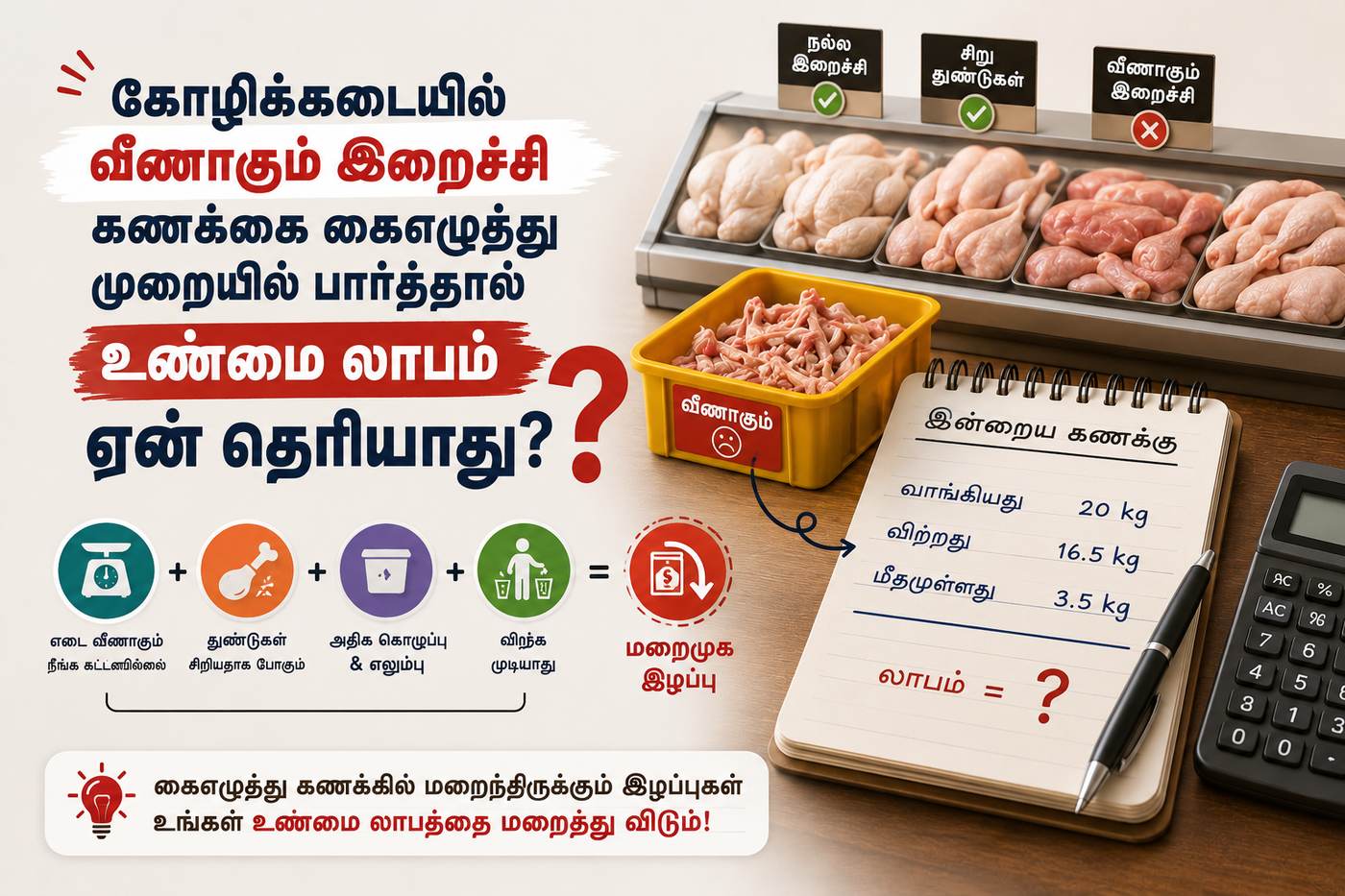
While adjustments temporarily solve mismatches, they hide the true movement of stock.
Over time, records stop reflecting reality. When questions arise, nobody can confidently explain what actually happened.
This uncertainty becomes the root cause of recurring arguments.
The Emotional Side of Stock Confusion
Stock disputes are not only operational issues. They affect trust between people.
Farm owners may suspect staff negligence. Staff may feel blamed for system weaknesses. Customers may assume dishonesty even when errors are unintentional.
Continuous misunderstandings create stress across the business. Teams begin working defensively instead of collaboratively.
When trust reduces, communication weakens. And when communication weakens, stock confusion increases further.
This cycle continues unless visibility improves.
Clarity Changes Conversations
When stock information becomes clear and timely, conversations change completely.
Instead of debating numbers, teams discuss solutions. Instead of questioning each other, they review shared information.
Accurate visibility removes guesswork. Everyone refers to the same data, reducing emotional reactions during disputes.
Farmers gain confidence while negotiating deliveries because they understand exact stock positions. Customers feel secure because transactions are transparent.
Clarity does not eliminate challenges in trading, but it prevents unnecessary conflicts.
Building a Culture of Verification Instead of Assumption
Successful poultry businesses gradually shift from assumption-based operations to verification-based management.
Stock is checked during movement, not after problems arise. Communication becomes structured rather than verbal. Teams rely on recorded facts instead of memory.
This cultural change reduces dependency on individual recall and strengthens operational reliability.
When verification becomes routine, disagreements naturally decrease because evidence replaces opinion.
From Daily Arguments to Operational Confidence
Many farmers accept arguments as an unavoidable part of poultry trading. But repeated disputes usually signal a deeper issue — lack of stock visibility.
When farmers clearly understand where birds are, how many moved, and what was delivered, business discussions become smoother.
Energy once spent resolving conflicts can then focus on improving margins, expanding markets, and strengthening relationships.
The goal of better stock management is not only accuracy. It is peace of mind.
Conclusion
Stock confusion does not begin at delivery gates or accounting tables. It begins the moment tracking becomes unclear.
Every delayed entry, verbal confirmation, or manual correction slowly builds uncertainty. That uncertainty eventually turns into arguments between farmers, staff, traders, and customers.
By improving stock clarity and aligning operations with real-time understanding, poultry businesses reduce disputes, protect relationships, and operate with greater confidence.
When numbers are clear, conversations become calm. And when conversations become calm, businesses grow stronger.