
Birds are ready. You have invested weeks of feed, medicine, electricity, labor, and attention. Growth looks good. Mortality is under control. You feel satisfied. Then lifting happens. A few hours later, the phone rings. There is some weight difference. Some shortage. Some delay. Some adjustment in settlement.
You start explaining. The buyer starts defending. Transport gives its version. By the end of the day, you are mentally tired — and your margin is slightly reduced.
After facing this again and again, many farmers start believing this is normal in poultry trading. But from my journey of working closely with poultry businesses across broiler, layer, breeder, hatchery, integration, and trading operations, I can say this clearly — most delivery mistakes are not unavoidable. They are process gaps.
And process gaps can be corrected.
The biggest issue I see is that farmers manage production scientifically but handle trading traditionally. On the farm, you measure everything. Feed intake is tracked. Body weight is monitored. FCR is calculated. Mortality is recorded daily. But when it comes to dispatch and delivery, many decisions are based on routine and experience rather than structured control.
Delivery is often treated as the final step. In reality, it is the most sensitive step because it converts production effort into revenue.
Weight difference is one of the most common pain points. Even a small variation per bird can affect total settlement significantly when numbers are large. Birds naturally lose some weight during transport. That is biological reality. Shrink happens due to feed withdrawal, travel stress, weather conditions, and waiting time before unloading. But when feed withdrawal timing is inconsistent or transport duration is not monitored, shrink becomes unpredictable.
I have seen farms where feed was withdrawn too early in some batches and too late in others. This small inconsistency created regular weight variation at receiving. There was no issue with bird quality. The issue was lack of standardization. Once timing was fixed and monitored consistently, disputes reduced dramatically.
Shortage claims often follow a similar pattern. During busy loading hours, counting may not be double-verified. Last-minute crate adjustments may not be recorded clearly. Manual entries may contain small mistakes. At the receiving end, numbers do not match exactly. Immediately, tension rises.
In most cases, there is no intention of dishonesty. There is simply no strong verification system.
Transport plays a larger role than many realize. Once birds leave the farm gate, it may feel like responsibility shifts to the transporter. But live bird delivery control does not end at dispatch. Vehicle ventilation, crate density, route planning, travel timing, and unloading delay all influence bird condition and shrink percentage.
A delay of even one or two hours in hot weather can increase stress significantly. If dispatch time and arrival time are not recorded properly, it becomes difficult to understand where the issue occurred. Without visibility, blame becomes easier than analysis.
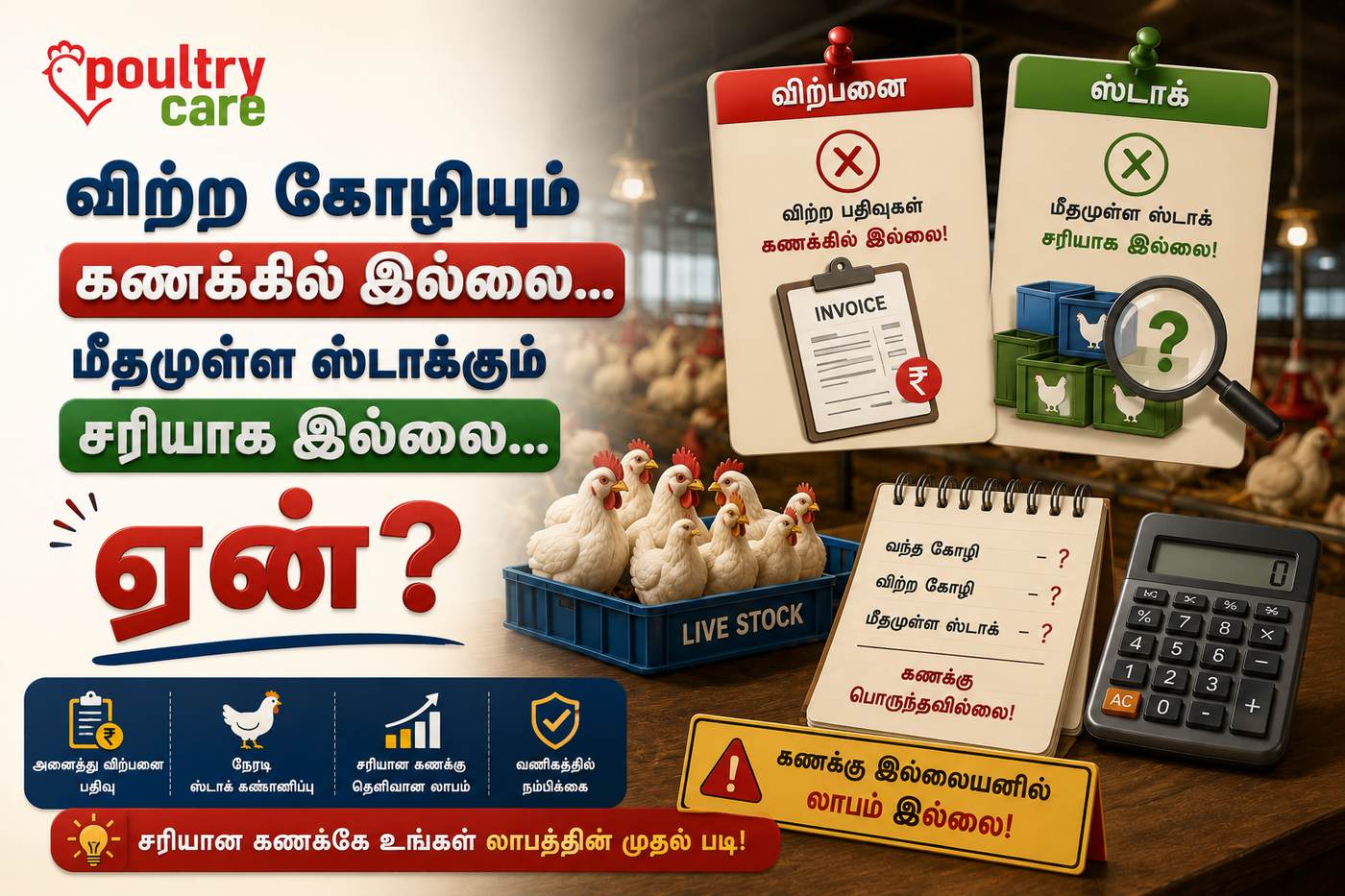
Another challenge in poultry trading management is over-dependence on verbal communication. Quantity confirmed over phone. Rate discussed verbally. Schedule adjusted informally. Complaint resolved through conversation. As business grows, this informal approach creates confusion. Memory differs. Interpretation differs. During settlement, these differences surface as disputes.
Clarity in communication is not about mistrust. It is about professionalism. When quantity, rate, dispatch time, and receiving details are clearly documented, misunderstanding reduces automatically. Structured confirmation protects both sides.
Delivery disputes also become emotional because they occur at the end of a long production cycle. By the time birds are ready for market, costs have already been incurred. Cash flow expectation is high. When final settlement reduces due to some variation, frustration increases naturally. But emotional reaction does not solve recurring problems. Structured review does.
When delivery data is reviewed consistently, patterns start becoming visible. Certain routes may show higher shrink during specific seasons. Certain loading practices may result in more variation. Certain transport timings may cause delay. Once patterns are identified, corrective action becomes practical.
Over time, I have observed that farms which treat trading management with the same seriousness as production management experience fewer repeated disputes. They standardize dispatch processes. They align weighing methods clearly with buyers before lifting. They track shrink percentage historically. They monitor transport timing consistently. They define responsibility clearly at each stage.
These are not complicated changes. But they require discipline.
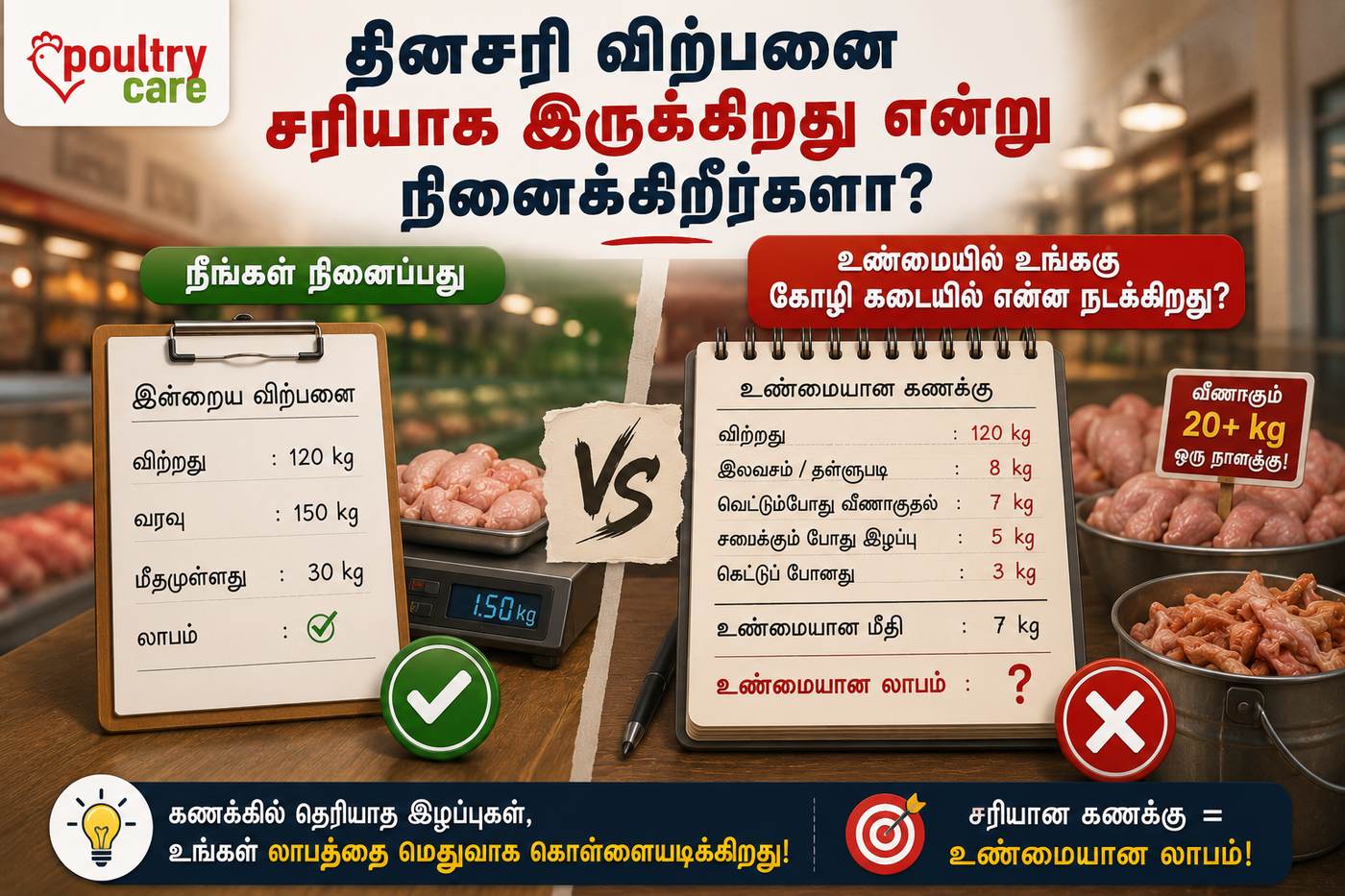
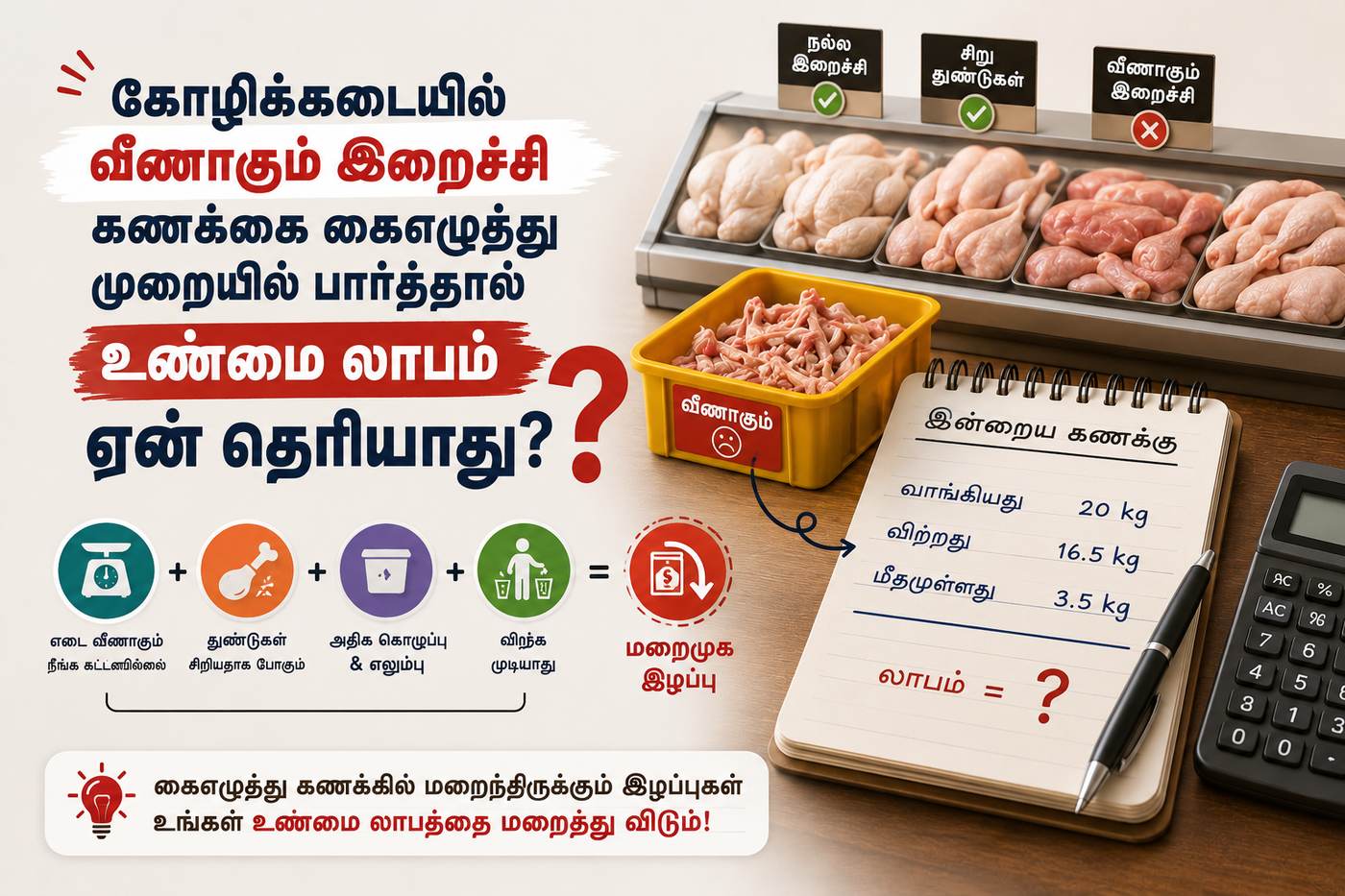
Production efficiency creates potential profit. Trading discipline protects actual profit. Many farmers focus heavily on improving FCR by small percentages, but do not calculate how much annual margin is lost due to repeated delivery adjustments. When this is calculated honestly, the number often surprises them.
As poultry businesses grow, complexity increases. More farms, more batches, more buyers, more vehicles, more transactions. Without structured poultry trading management, small errors multiply. Repeated small errors slowly damage reputation and buyer confidence.
Buyers prefer suppliers who deliver consistently without argument. When delivery records are clear and disputes are rare, trust strengthens. Strong trust leads to smoother negotiation, faster settlement, and long-term stability.
So are delivery mistakes preventable?
Not every single one. Poultry trading involves biological and logistical variables. But most repeated mistakes are manageable when process becomes structured.
When dispatch is standardized, shrink is measured, transport is monitored, and communication is clear, delivery becomes predictable. And when delivery becomes predictable, profit becomes more stable.
The real question is not whether mistakes will ever happen. The real question is whether you are willing to manage trading with the same discipline that you apply to bird health and feed management.
Because in poultry business, success is not only about how well birds grow inside the shed. It is also about how smoothly they reach the buyer and convert into revenue.
When delivery is controlled, disputes reduce. When disputes reduce, stress reduces. And when stress reduces, you start running your poultry business with confidence instead of uncertainty.
That is when poultry trading stops feeling risky and starts feeling structured.
And that shift makes all the difference.