
In poultry trading, one question keeps coming back from farmers and traders after every disputed trip — who is actually responsible for the loss that happens during transport? The birds were healthy at loading. The count looked correct. The crates were filled. The vehicle left on time. But at delivery, mortality is higher, weight is lower, or shortage appears. Then the argument begins. Farm says transport issue. Driver says bird quality issue. Buyer says loading mistake. Trader stands in the middle.
This confusion is not just about money — it is about missing control structure.
From years of working closely with poultry farmers and trading operators, one truth is very clear. Transport loss is rarely caused by one single mistake. It is caused by a broken responsibility chain. When responsibility is not defined before the vehicle moves, accountability disappears after the loss appears.
Most poultry businesses invest heavily in feed, health, and growth performance. But transport — which carries the final value — is often managed by habit instead of system. Birds are treated like cargo, not like live value. Profit travels on wheels, but control stays back at the farm.
Let us break this subject in a practical farmer-friendly way. Not theory — field reality. Because once transport responsibility is structured properly, loss reduces, disputes reduce, and profit becomes more predictable.
Why Transport Loss Is So Common in Poultry Trading
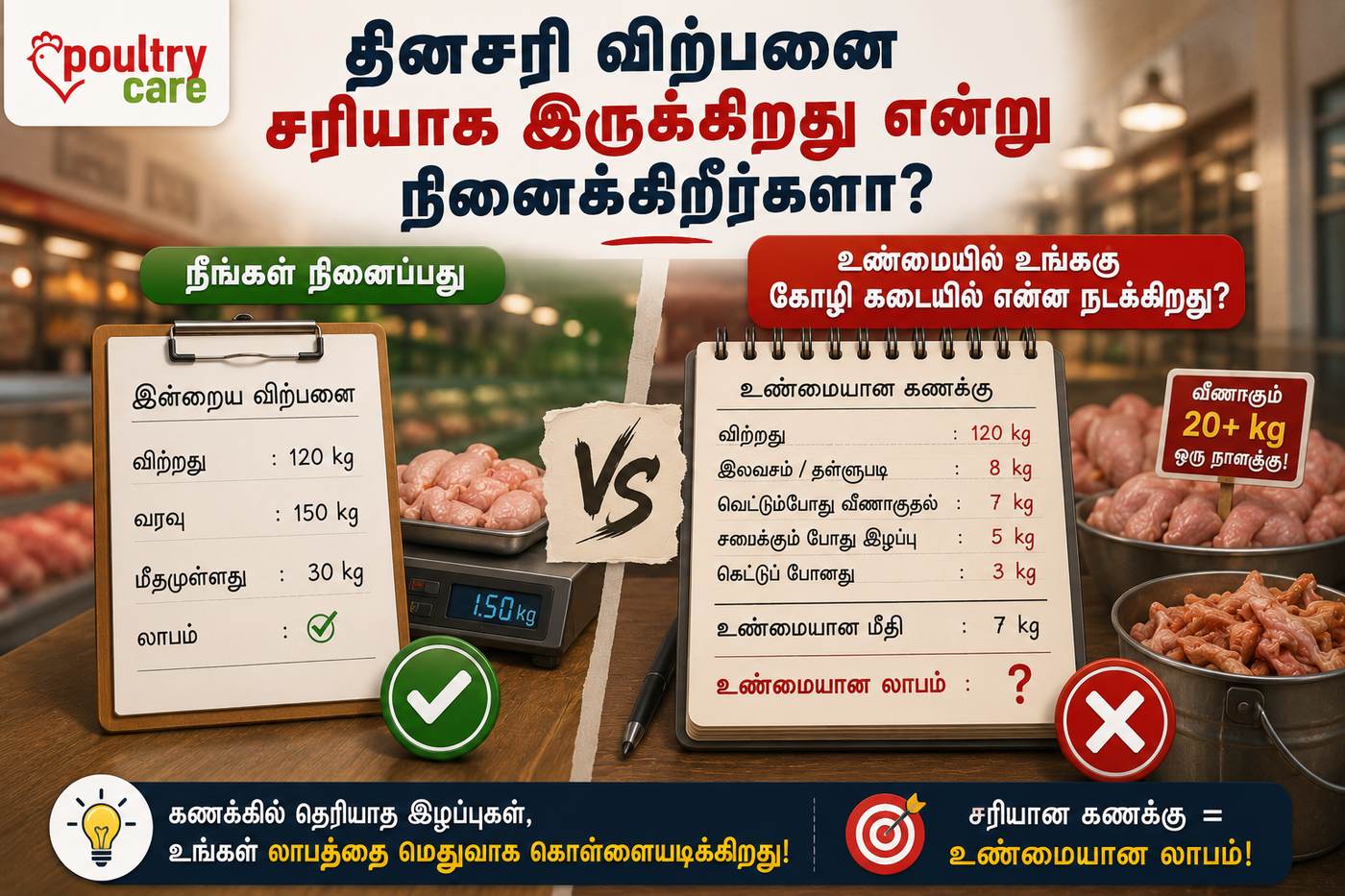
Transport loss is not always dramatic. Sometimes it is visible mortality. Sometimes it is weight shrinkage. Sometimes it is missing birds. Sometimes it is quality downgrade. Many farmers only count dead birds and miss the hidden losses that quietly eat margin.
Live birds are sensitive to stress, heat, airflow, vibration, crate density, and delay. Even a well-grown flock can lose value if handled poorly for just a few hours. Transport is a biological risk stage, not just a logistics stage.
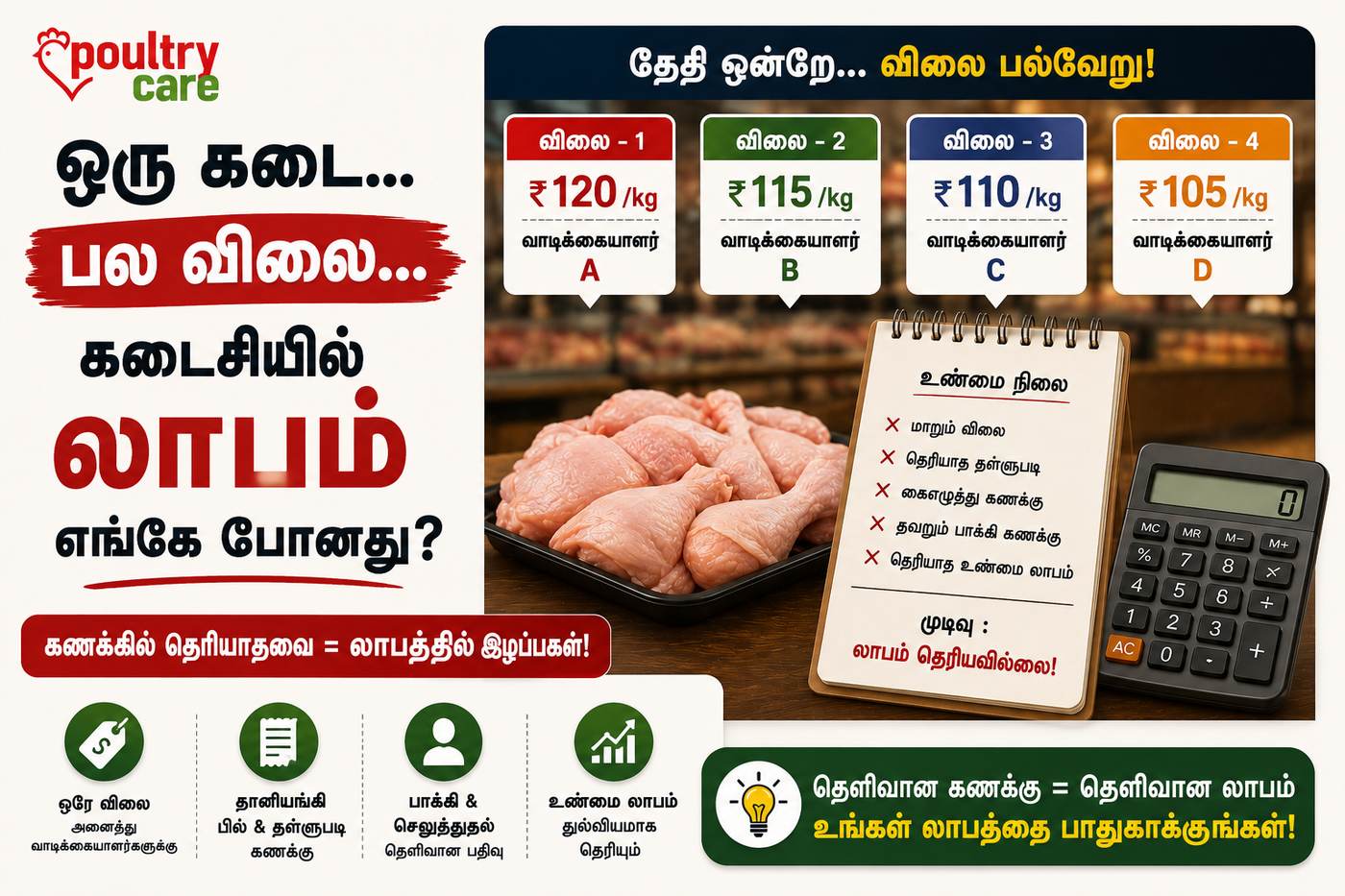
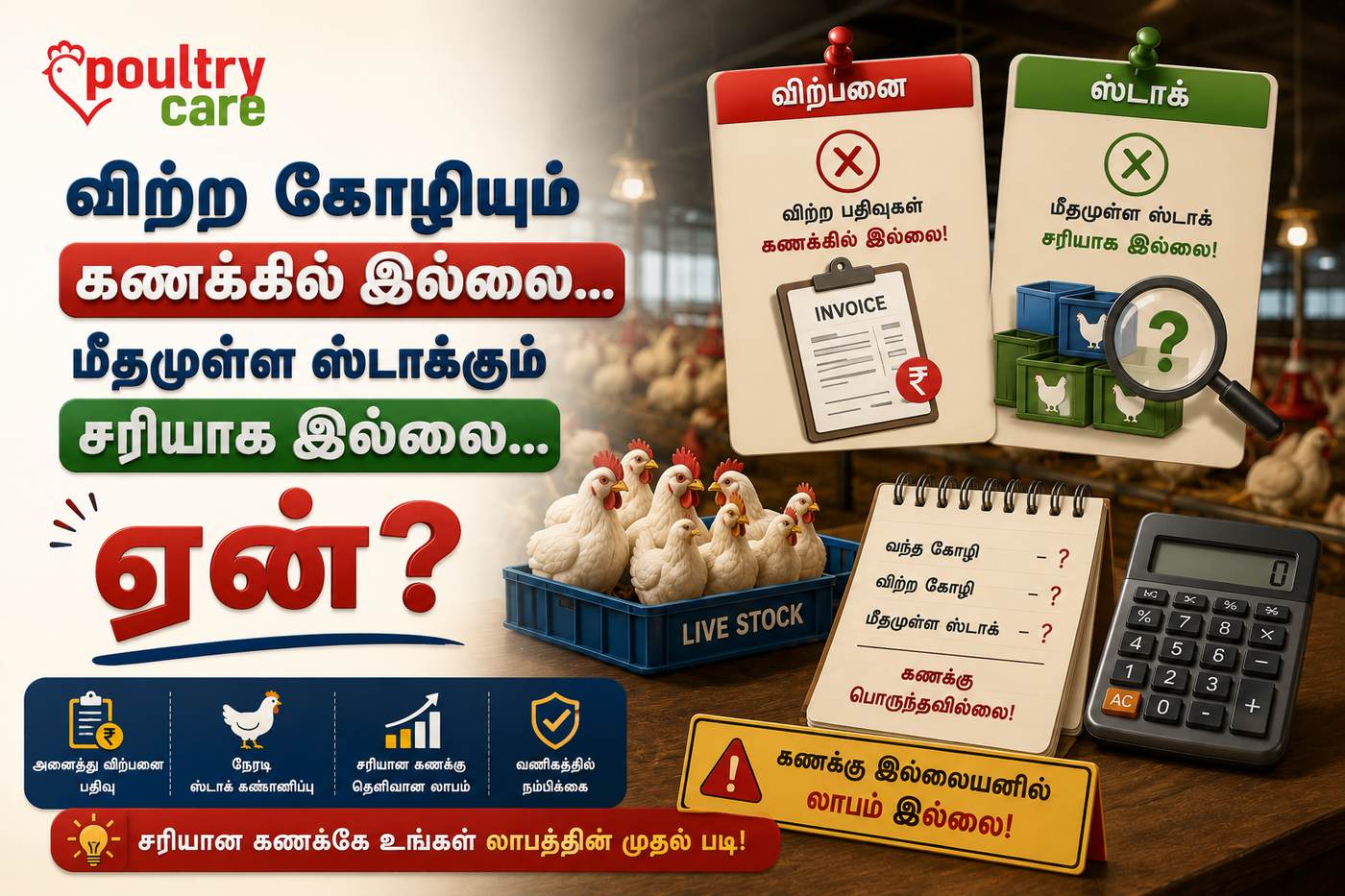
But here is the main issue — transport is often treated as an outsourced activity with no performance measurement. Vehicles are hired. Drivers are assigned. Trips are made. But very few farms measure transport quality per trip. Without measurement, responsibility cannot be attached.
Another reason transport loss is common is assumption culture. Farm assumes driver knows how to handle birds. Driver assumes loading team knows correct density. Trader assumes farm checked bird strength. Buyer assumes everyone before them did their job. Assumption replaces verification — and loss enters through that gap.
Loss grows where verification is absent.
The Biggest Mistake — No Responsibility Defined Before Loading
Ask this simple question on most farms: who owns the birds after loading? You will often get unclear answers. Some say transporter. Some say trader. Some say still farm. Some say depends on agreement. That confusion itself is the root of disputes.
Responsibility must be defined before loading — not after loss.
Transport responsibility is not emotional — it is operational. It should be written into the process. The moment crates are loaded and verified, responsibility must shift clearly from dispatch owner to transport owner under defined conditions.
Without this clarity, every loss becomes a debate instead of a calculation.
In well-controlled trading operations, loading is treated like a handover point. Final bird count, crate count, condition check, and vehicle readiness are verified. Then a transport handover record is created. From that point, transport conditions become accountable to the transport stage owner.
When this handover discipline exists, arguments reduce by half automatically because the responsibility line is visible.
Farmers who skip this step usually end up paying for losses that may not be theirs.
Transport Conditions Decide Loss — But Nobody Monitors Them
In many poultry routes, vehicles travel long distances under difficult conditions — heat, traffic, rough roads, waiting lines. Birds inside crates cannot adjust themselves. Their safety depends completely on transport quality.
Yet transport monitoring is almost missing in many operations.
Drivers are typically evaluated on arrival time, not bird condition. Transport contractors are selected based on availability and price, not performance record. No one tracks which vehicle produces repeated higher mortality. No one studies which routes cause shrinkage. No one compares day trips versus night trips.
When performance is not tracked, responsibility cannot be enforced.
Transport control does not mean complicated technology only. Even simple practices change results — checking crate stacking gaps, ensuring side ventilation, limiting crate height, avoiding long idle stops, and planning cooler travel windows.
Another strong practice is mid-route check confirmation. A simple checkpoint call with recorded time and location builds discipline. When drivers know the trip is being tracked, behavior improves naturally.
Monitoring is not mistrust — it is margin protection.
Driver vs System — Why Blaming the Driver Alone Never Solves Loss
After a bad delivery, the easiest action is blaming the driver. But field experience shows that driver-only blame rarely solves repeated loss. Because most transport failures are system failures, not individual failures.
If loading density is too high, driver cannot fix it on the road. If crates are broken, driver cannot redesign them. If dispatch is delayed into peak heat hours, driver cannot change weather. If route planning is poor, driver cannot invent new roads.
A weak system pushes risk onto the driver and then blames him for the outcome.
A strong system supports the driver with correct loading, correct stacking, route clarity, emergency contacts, and delivery time commitment. When the system is right, driver performance improves automatically.
Transport responsibility should be shared by system design and driver execution — but system design comes first.
Farmers who upgrade system discipline see that driver disputes reduce because expectations become clear.
Receiving Point Verification — Where Final Responsibility Is Proven
Transport responsibility does not end when the vehicle arrives. It is proven when receiving verification is done correctly. Unfortunately, many receiving points rush unloading without structured verification.
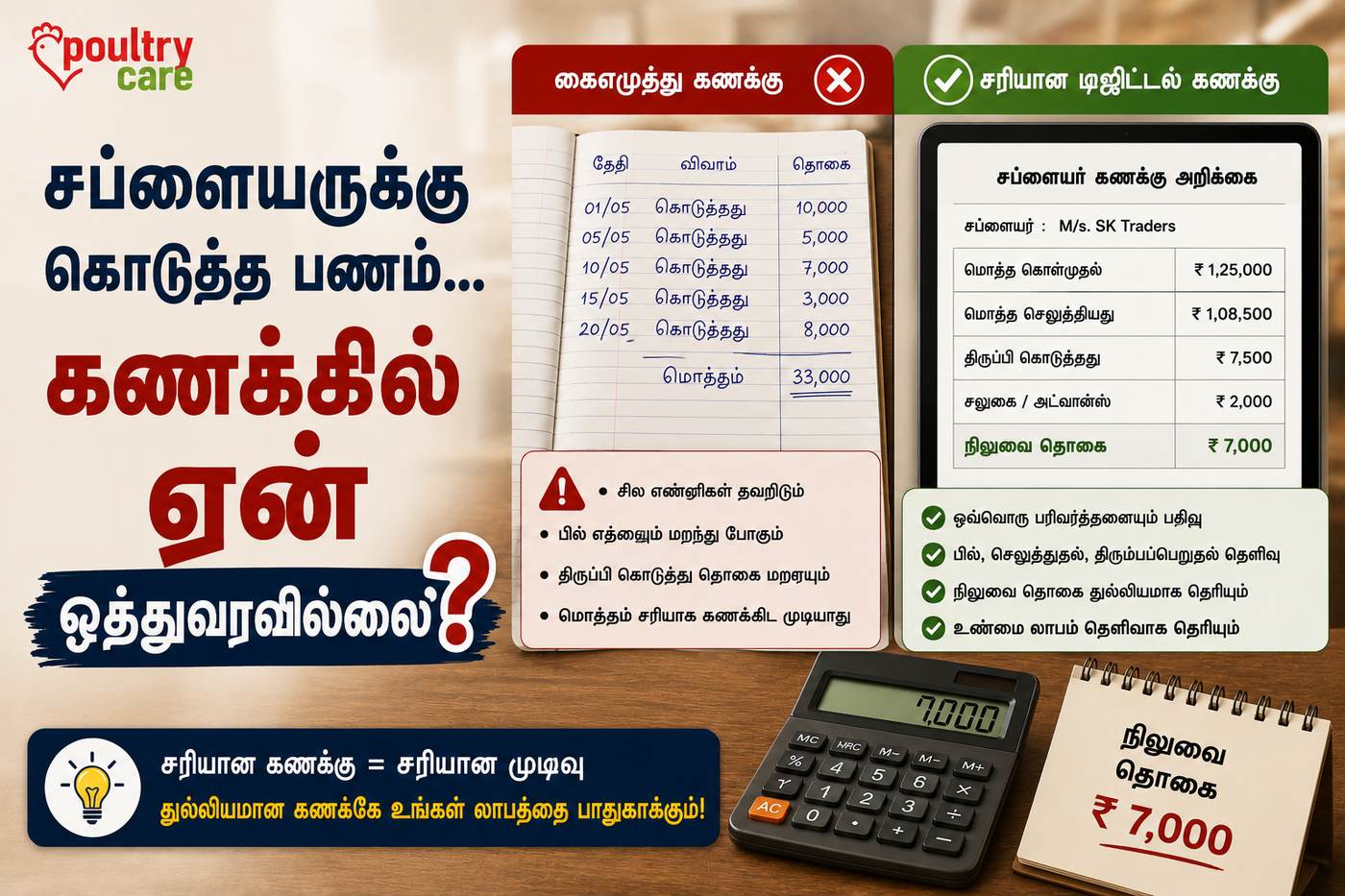
Crates are opened before counting. Birds are mixed with other loads. Weak birds are separated without recording. Time of arrival is not written. Condition remarks are skipped. Later, numbers don’t match — and responsibility cannot be proven.
Receiving must act like a mirror of dispatch. Same crate count check. Same batch identity check. Same immediate shortage record. Same mortality count. Same time stamp.
When dispatch and receiving formats match, transport loss becomes measurable. When formats differ, loss becomes arguable.
Another important factor is waiting time after arrival. If vehicles wait long before unloading, additional mortality can happen — but it gets blamed on transport instead of receiving delay. Time recording at gate entry and unloading start prevents this confusion.
Responsibility becomes clear only when both ends measure correctly.
Hidden Transport Loss That Farmers Rarely Calculate
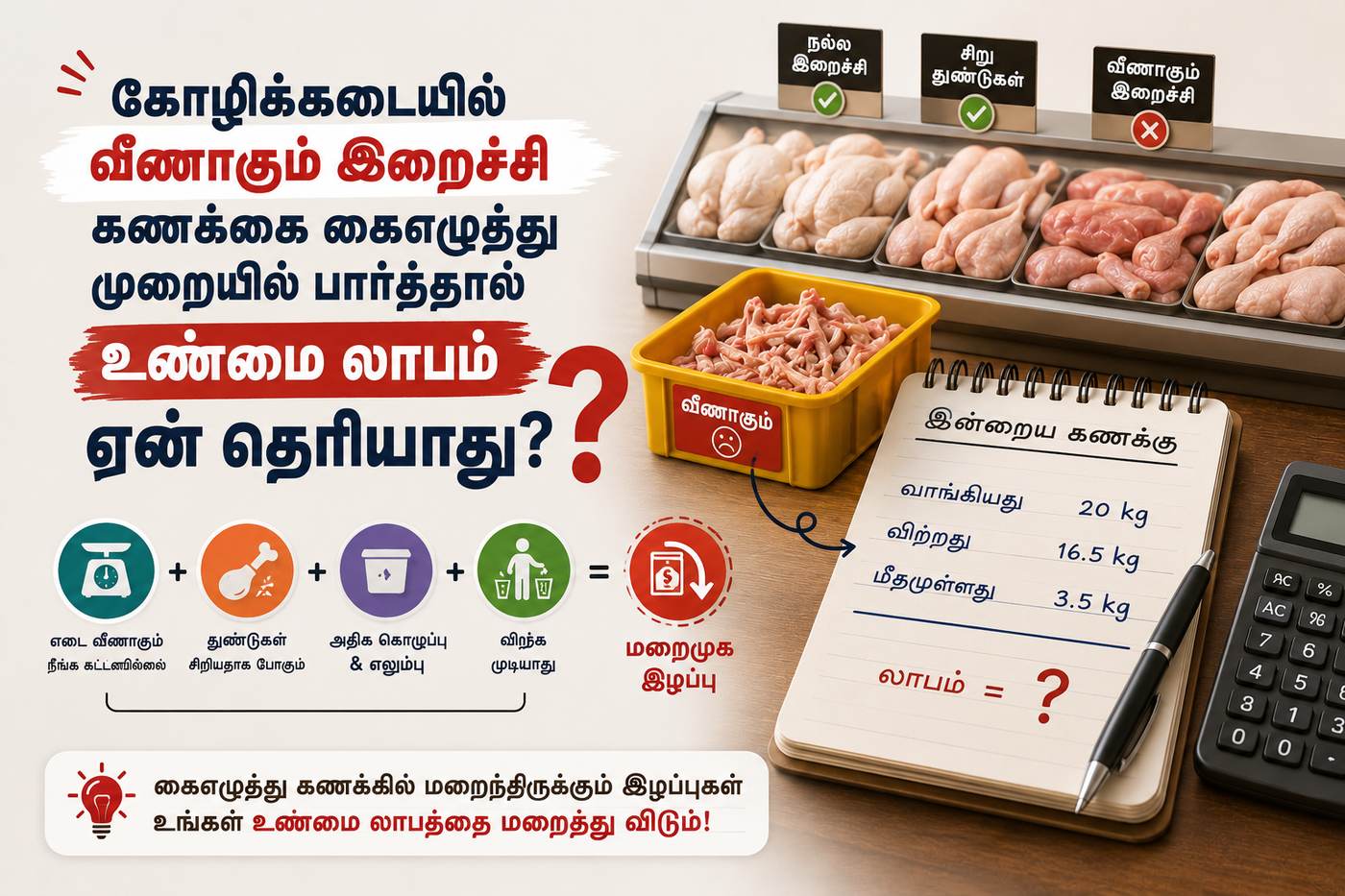
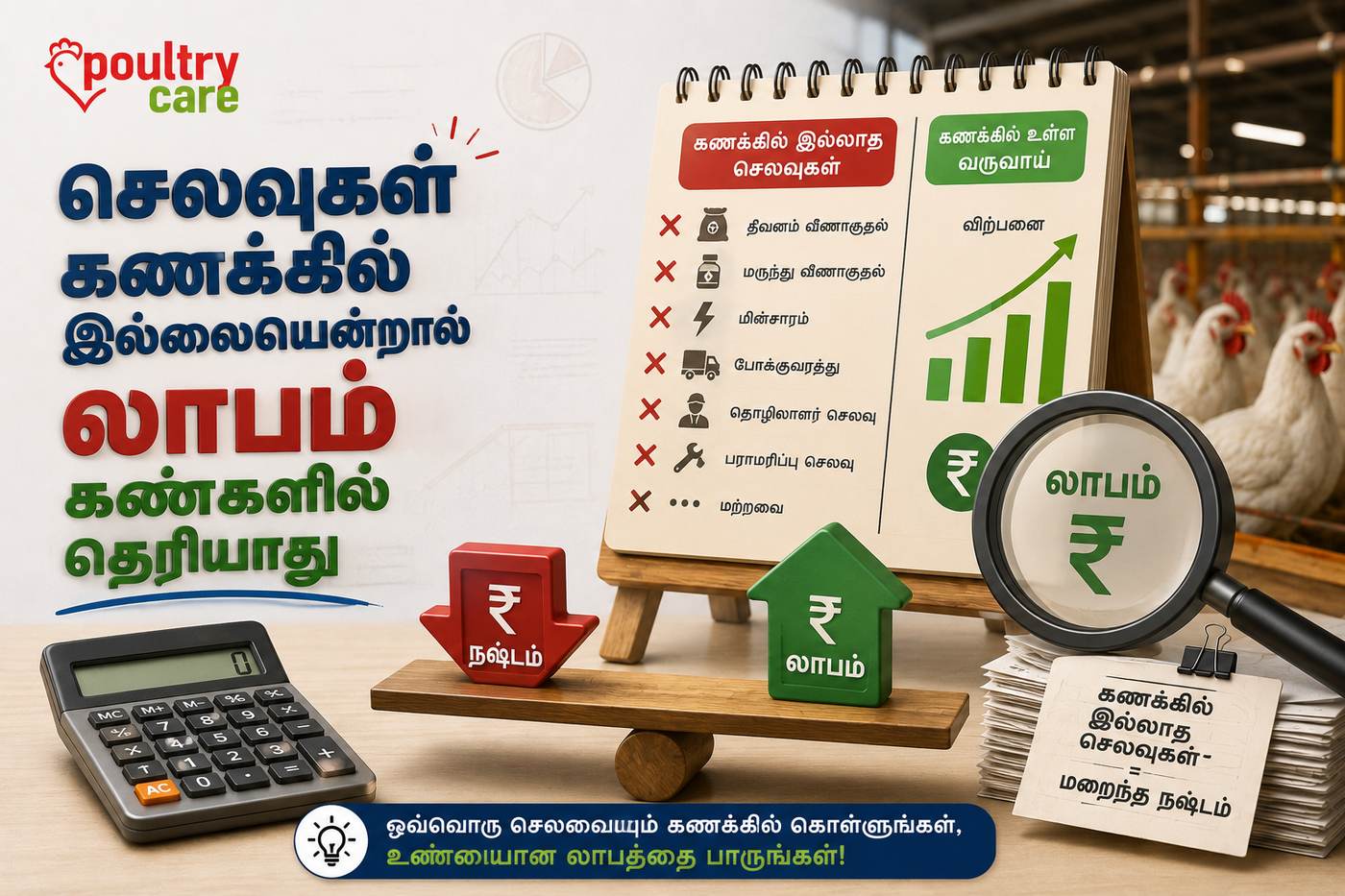
Many farmers calculate only visible mortality. But transport loss also appears in hidden forms that slowly reduce profit without notice.
Weight shrinkage due to dehydration is one such hidden loss. Birds may arrive alive but lighter. That directly reduces revenue but is rarely linked back to transport conditions.
Quality downgrade is another hidden loss. Stress during transport affects bird appearance and strength. Buyers may reduce price quietly. Farmers accept it without linking the cause to transport handling.
Repeat buyer trust loss is another invisible damage. If deliveries are inconsistent, buyers shift suppliers. That is a long-term revenue loss created by weak transport control.
When farmers start measuring transport impact trip by trip, they discover that transport loss is not occasional — it is patterned. And patterns can be corrected only when measured.
How Smart Farmers Build Transport Accountability Without Complication
Many farmers fear that adding transport accountability will make operations heavy. In practice, the most effective systems are simple and repeatable.
They start with dispatch truth — verified count, crate count, average weight, condition note. Then they create a transport handover record with vehicle and driver details. Responsibility shift is documented.
They define transport standards — crate density, stacking height, ventilation gap, travel time window. These are written once and followed every trip.
They record key timestamps — dispatch, mid-route check, arrival, unloading start. Even a basic log system works.
They standardize receiving verification — count before opening, mortality record, shortage record, signature.
They review trips — not to punish, but to learn. Which routes cause more stress, which vehicles perform better, which timing works best.
Simple structure, repeated consistently, builds strong accountability.
Responsibility Does Not Mean Blame — It Means Control
Farmers sometimes resist accountability systems because they fear blame culture. But true accountability is not about blame — it is about clarity. When roles and records are clear, good teams feel protected, not threatened.
Without accountability, honest people suffer and careless behavior repeats. With accountability, performance becomes visible and improvement becomes possible.
Transport responsibility should be defined like a relay race — each stage clearly hands over to the next. When the baton is visible, the race is smooth. When the baton is invisible, confusion begins.
In poultry trading, transport is not just movement — it is value transfer. Birds carry your feed cost, medicine cost, labor cost, and expected margin. Letting them travel without accountability is like sending cash without counting.
The farmers who treat transport as a controlled value stage — not a casual logistics step — are the ones who slowly stabilize their trading profit.
Loss during transport is not fate. In most cases, it is unmanaged responsibility. And unmanaged responsibility can be fixed with simple, practical control.