
Contrarian Insight: Why Tracking Shrinkage Alone Is Not Enough
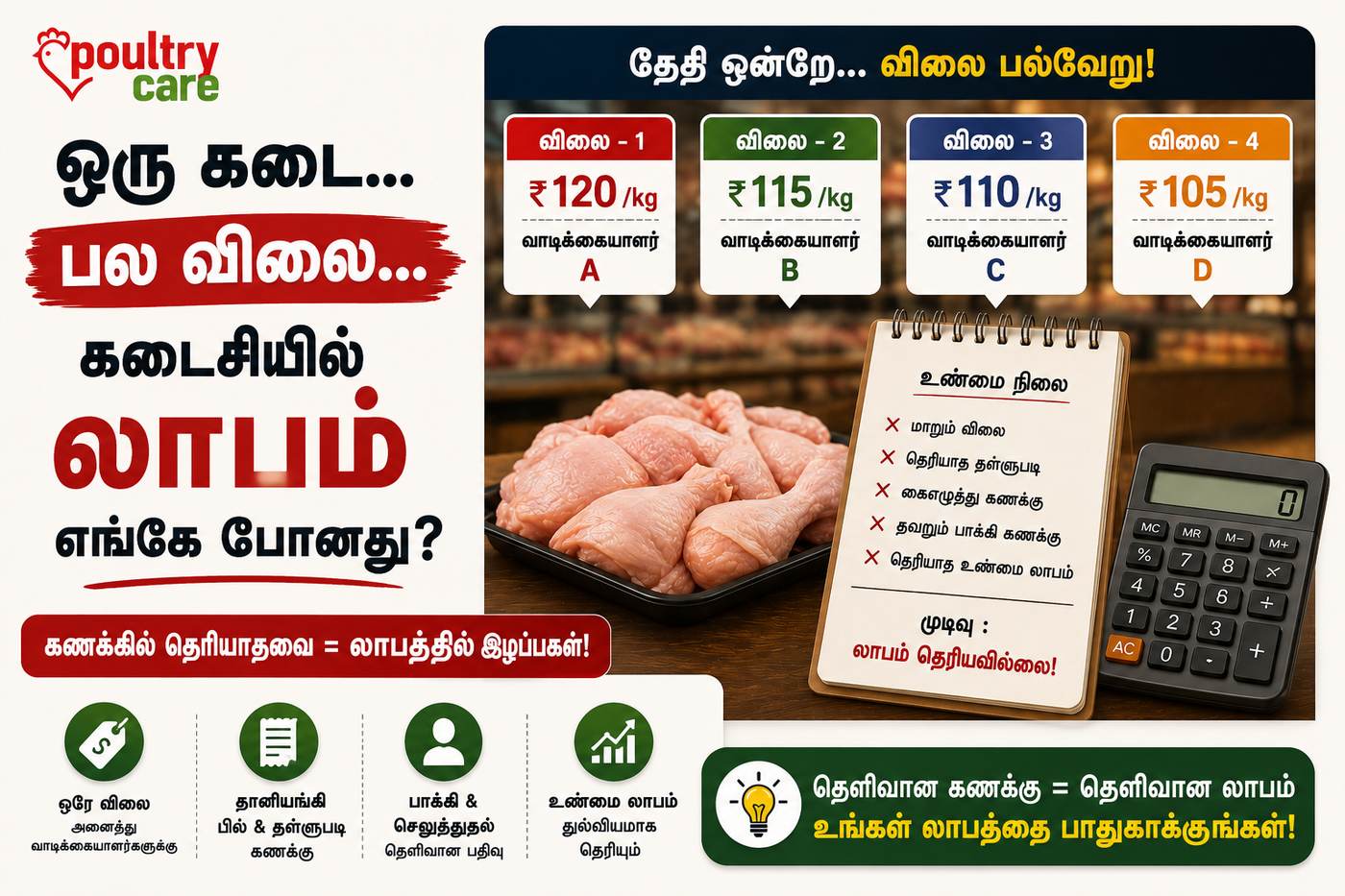
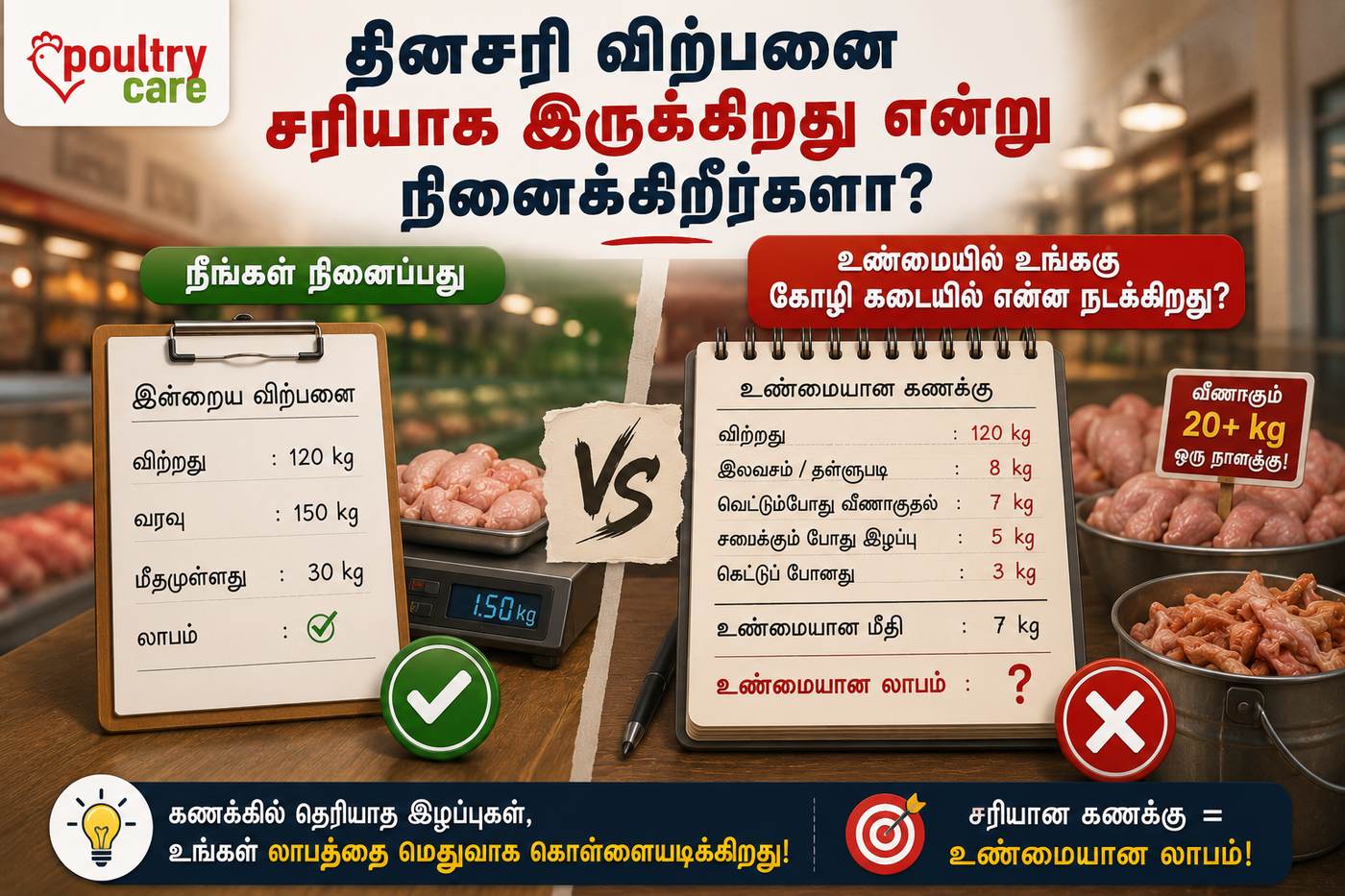
In recent years, many poultry retailers have started paying attention to shrinkage. They compare purchase weight and sale weight and try to identify the difference.
This is a good practice.
However, there is an important truth that many retailers eventually discover:
Tracking shrinkage alone does not solve the real problem.
Shrinkage numbers only tell you what happened, but they do not explain why it happened.
Many poultry shop owners proudly track shrinkage percentages but still struggle with declining profits. The reason is simple. Shrinkage is only a symptom of deeper operational issues.
To truly control retail losses, poultry shop owners must look beyond shrinkage and understand the operational factors that create shrinkage in the first place.
Understanding What Shrinkage Really Means
Shrinkage in poultry retail refers to the difference between expected saleable meat and actual sale weight.
This difference may occur due to many factors such as:
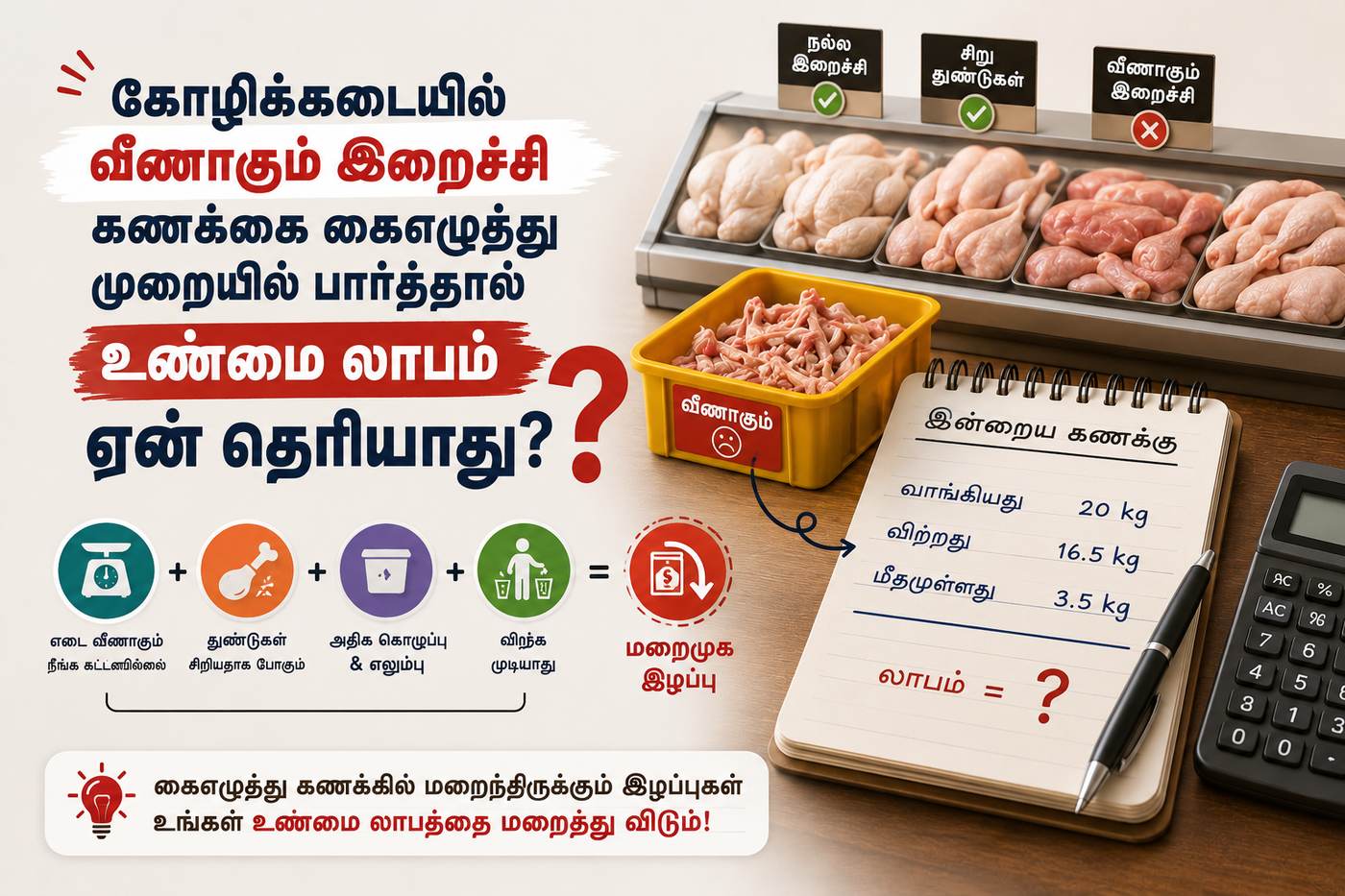
• improper cutting practices
• moisture loss during storage
• weighing errors
• trimming waste
• staff handling mistakes
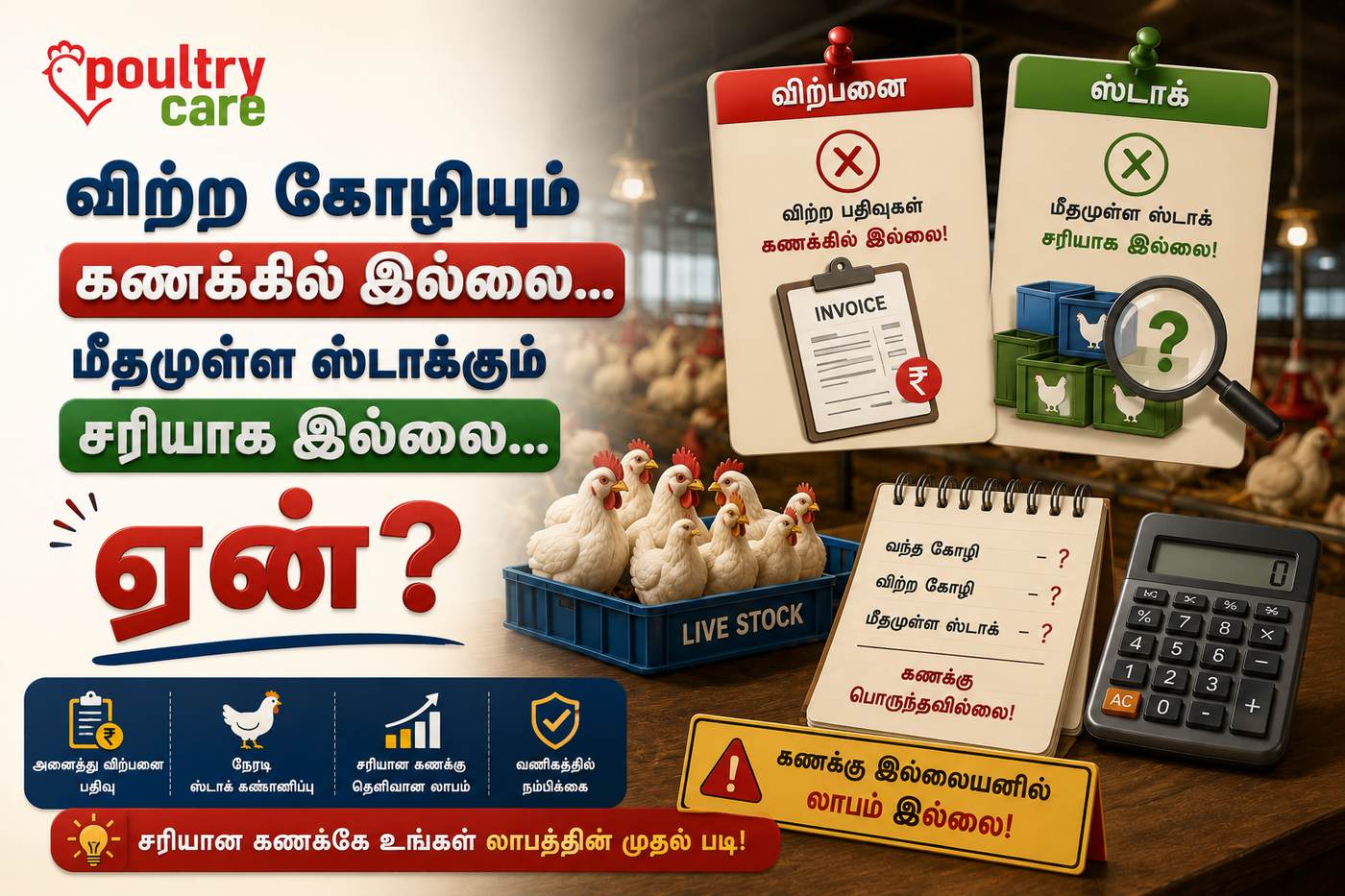
• inventory mismanagement
Many retailers focus only on the final number — the shrinkage percentage.
But the number itself does not provide enough insight to fix the root problem.
Imagine a poultry shop owner noticing that shrinkage has increased from 2% to 4%. The number tells us there is a problem, but it does not reveal where the loss is happening.
Is the loss occurring during cutting?
Is it happening during storage?
Is it caused by inaccurate weighing?
Or is it related to staff practices?
Without understanding these operational details, tracking shrinkage becomes similar to looking at the final score without understanding how the game was played.
The Real Drivers Behind Poultry Retail Loss
In poultry retail operations, losses rarely come from a single source. Instead, they develop gradually through multiple small inefficiencies.
Understanding these drivers helps retailers move from reacting to shrinkage numbers to preventing shrinkage from happening.
Cutting Efficiency
One of the biggest contributors to shrinkage is cutting efficiency.
When birds are cut without standard methods, valuable meat may remain on bones or be removed unnecessarily during trimming.
Even a small reduction in cutting efficiency can significantly reduce total saleable meat.
This issue becomes more noticeable in busy retail shops where staff focus on speed rather than yield.
Training workers in proper cutting techniques can improve meat recovery and reduce unnecessary loss.
Storage and Temperature Management
Another important factor affecting poultry retail shrinkage is storage conditions.
Chicken meat contains natural moisture, which contributes to its weight. When storage temperature fluctuates or meat is exposed to airflow, moisture gradually evaporates.
This results in weight loss even before the product reaches the customer.
Frequent opening of refrigerators, overcrowded storage spaces, and improper packaging can accelerate this process.
Retailers who maintain stable refrigeration and organize stock properly often experience lower shrinkage.
Weighing Accuracy
Weighing practices inside the shop also play a critical role.
Small errors during weighing may not seem significant at first, but repeated many times throughout the day they accumulate into noticeable losses.
For example, inaccurate tare settings, uncalibrated scales, or improper placement of trays can affect weight measurements.
Regularly checking weighing equipment and ensuring proper usage helps protect the retailer’s margin.
Inventory Handling Practices
Inventory management is another overlooked factor in poultry retail operations.
Without structured inventory practices, products may remain in storage longer than expected, increasing the risk of moisture loss and quality deterioration.
Retailers who follow first-in-first-out (FIFO) stock rotation ensure that older stock is sold first. This reduces the time meat remains in refrigeration and helps maintain both quality and weight.
Why Data Alone Cannot Solve Operational Problems
Many retailers believe that once they start recording shrinkage numbers, the problem will automatically improve.
However, numbers alone cannot change daily practices.
Shrinkage data is useful only when it leads to operational insights.
For example, if a retailer notices that shrinkage increases during certain hours of the day, the reason might be related to staff workload or cutting practices during peak periods.
If shrinkage increases during certain days of the week, it may indicate issues with inventory turnover or storage capacity.
The key is not just measuring numbers, but connecting numbers to daily operations.
When retailers combine data with operational observation, they gain a clearer picture of where improvements are needed.
Building a Complete Retail Loss Control Approach
To effectively control poultry retail losses, retailers should adopt a broader perspective that includes multiple operational factors.
Instead of focusing only on shrinkage numbers, retailers should monitor:
• cutting yield consistency
• storage temperature stability
• weighing accuracy
• staff handling practices
• inventory rotation efficiency
These elements together form a complete picture of retail operations.
When these areas are managed carefully, shrinkage naturally reduces.
This approach helps retailers move from reactive problem solving to proactive operational improvement.
The Mindset Shift for Poultry Retail Owners
The most successful poultry retailers do not simply track losses — they study the process that creates those losses.
They observe how birds are cut, how meat is stored, how staff handle products, and how customers are served.
This mindset shift is important.
Instead of asking only:
“Why is my shrinkage high?”
Retailers begin asking deeper questions:
• Where exactly is the loss occurring?
• At what stage does the weight reduction happen?
• What operational change can prevent it?
These questions lead to practical improvements that directly impact profitability.
Turning Operational Awareness Into Retail Profit
Retail profitability is rarely determined by one big decision. Instead, it is shaped by many small operational improvements.
Better cutting methods recover more meat.
Better storage conditions protect product weight.
Better weighing practices ensure accurate sales.
Better inventory management reduces waste.
When these improvements come together, the overall performance of the retail shop improves significantly.
Tracking shrinkage is an important first step in managing poultry retail operations.
But shrinkage numbers alone cannot solve the problem.
To truly control losses, retailers must understand the daily operational practices that create shrinkage.
When shop owners pay attention to cutting efficiency, storage conditions, weighing accuracy, and inventory handling, shrinkage naturally becomes easier to control.
Because in poultry retail,
numbers show the problem —
but operations reveal the solution.