
The Hidden Question Most Traders Cannot Answer Clearly
In poultry trading, pricing decisions happen every day. Birds are purchased, transported, and sold continuously. Rates change based on market movement, demand, and availability. In this fast-moving environment, traders become comfortable making quick decisions. But behind all these decisions, there is one important question that often remains unanswered.
What is your minimum selling price?
Many traders pause when asked this. They know the purchase rate. They know the market rate. But they are not fully sure about the exact price below which they should not sell.
This lack of clarity is where hidden losses begin.
Why Minimum Selling Price Is More Than Just Purchase Rate
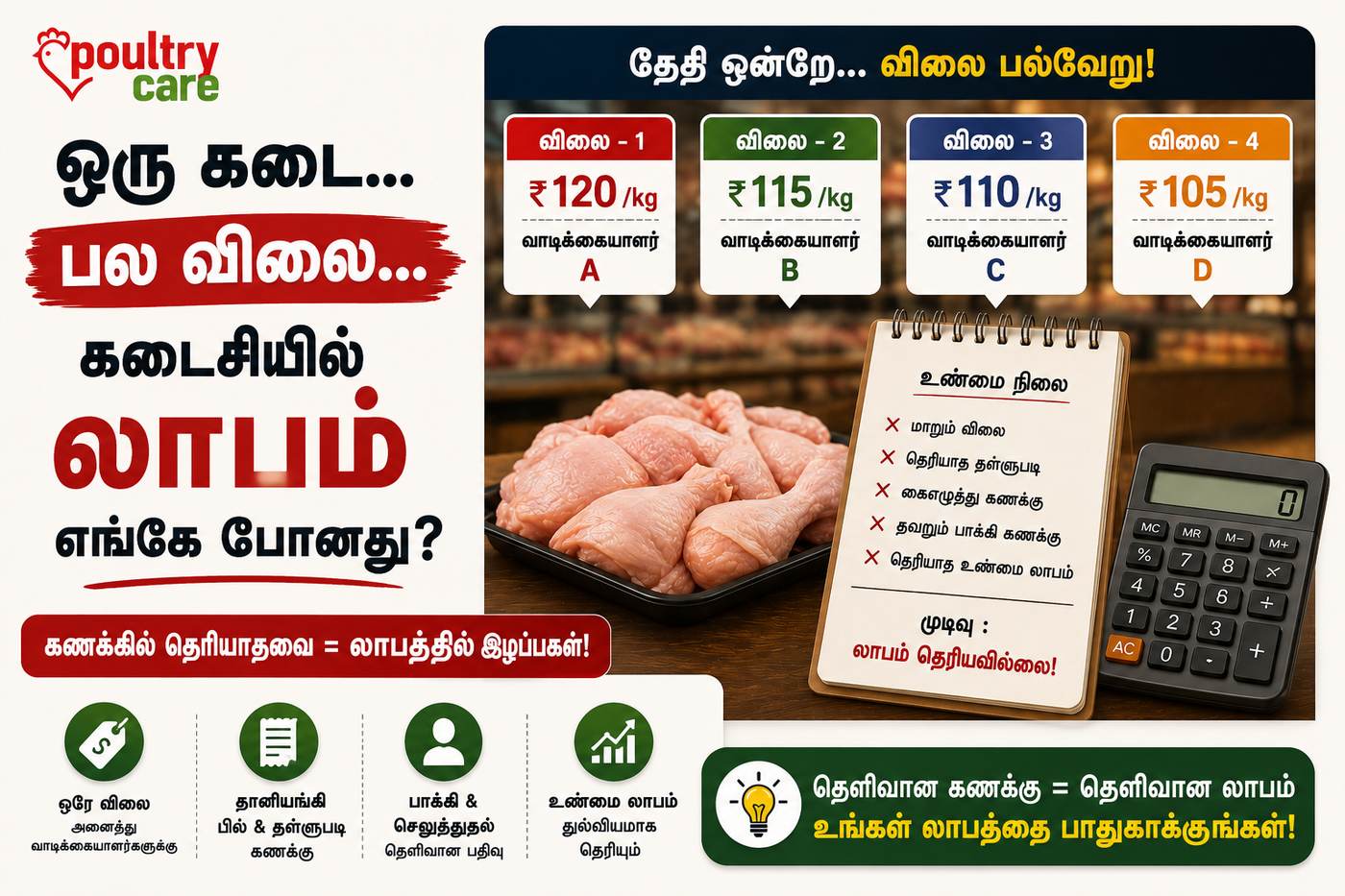
A common mistake in poultry trading is assuming that the purchase rate is the base for selling decisions. Traders believe that selling slightly above purchase price ensures profit. But in reality, purchase cost is only one part of the total expense.
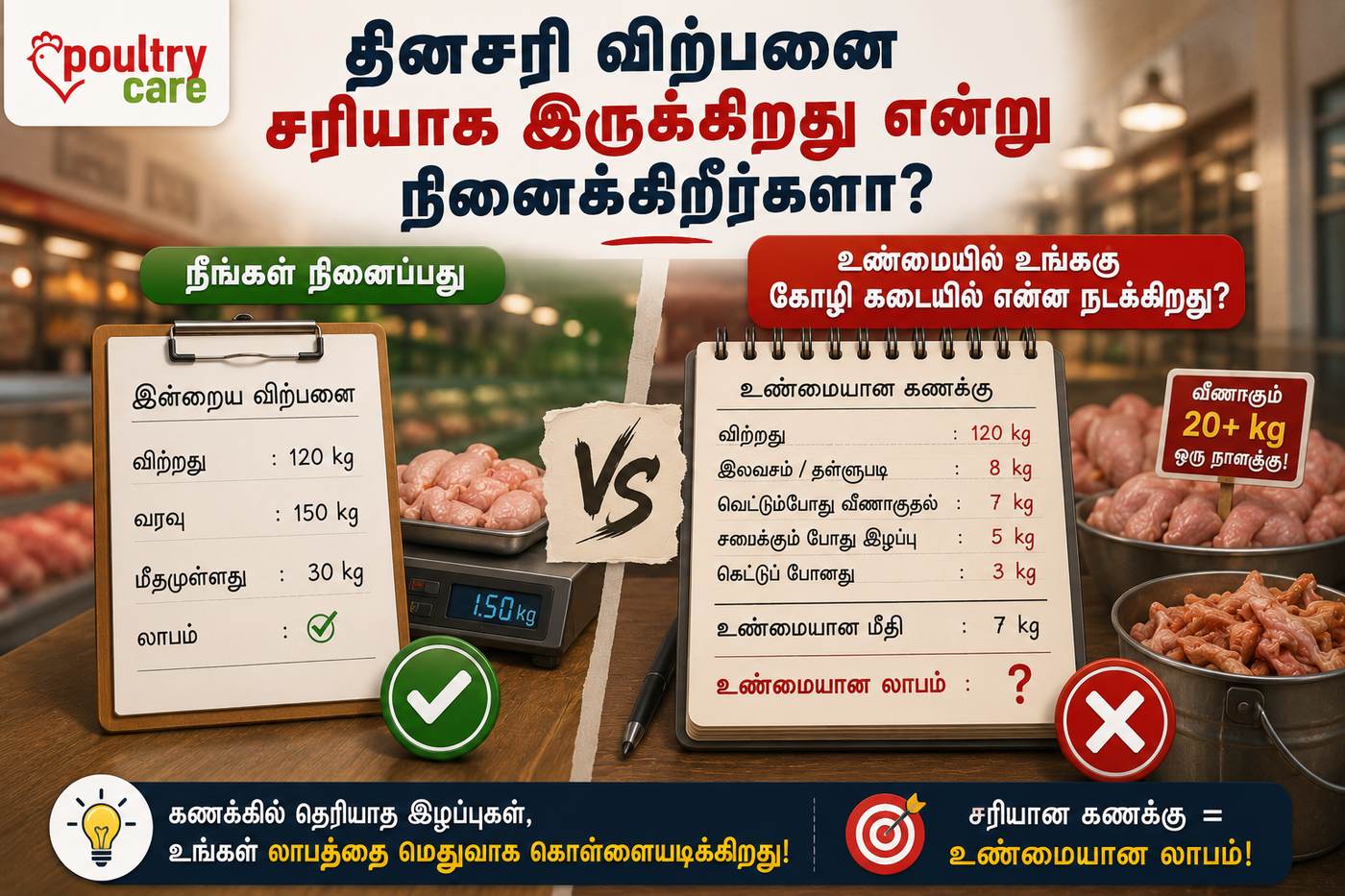
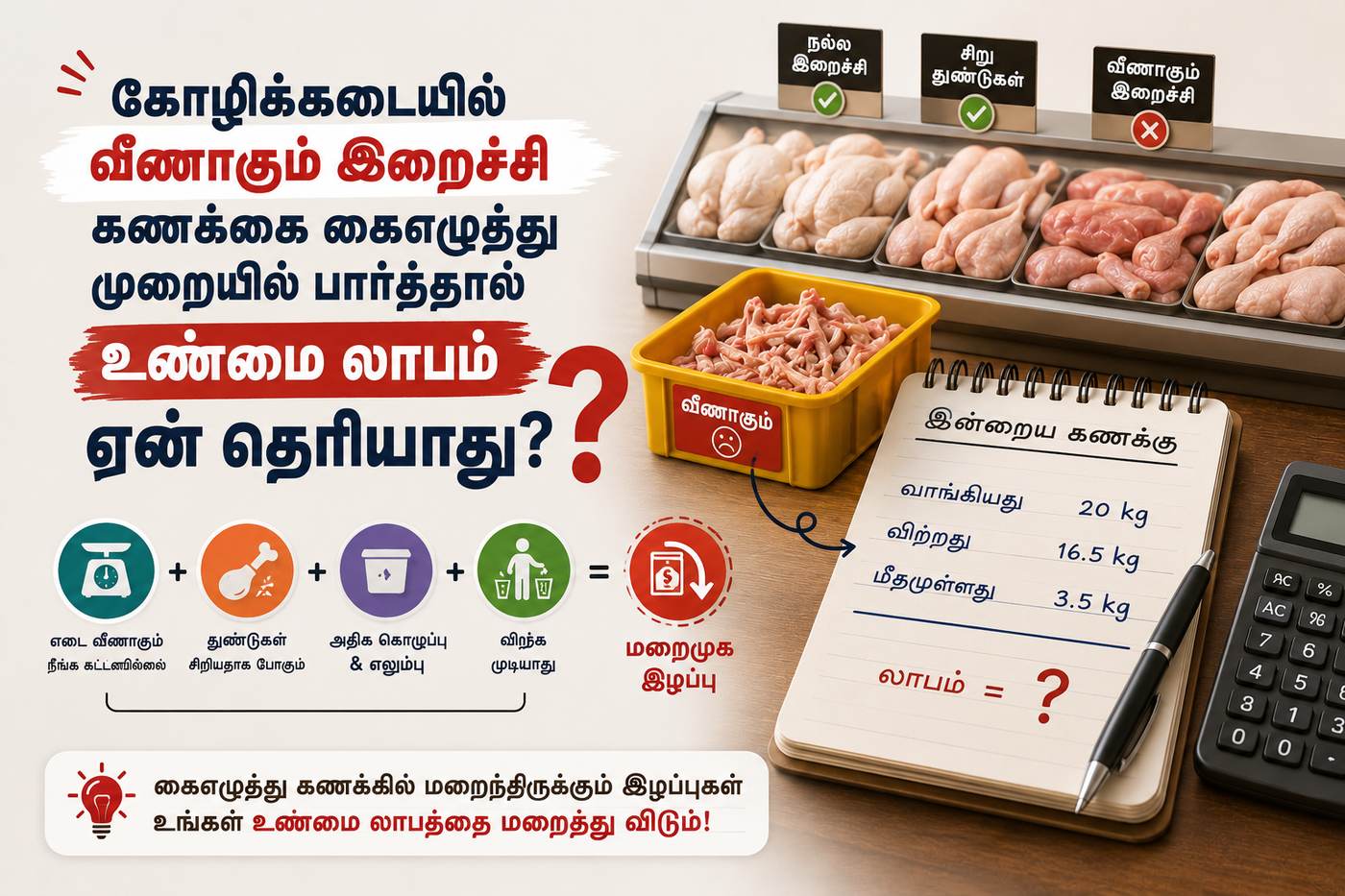
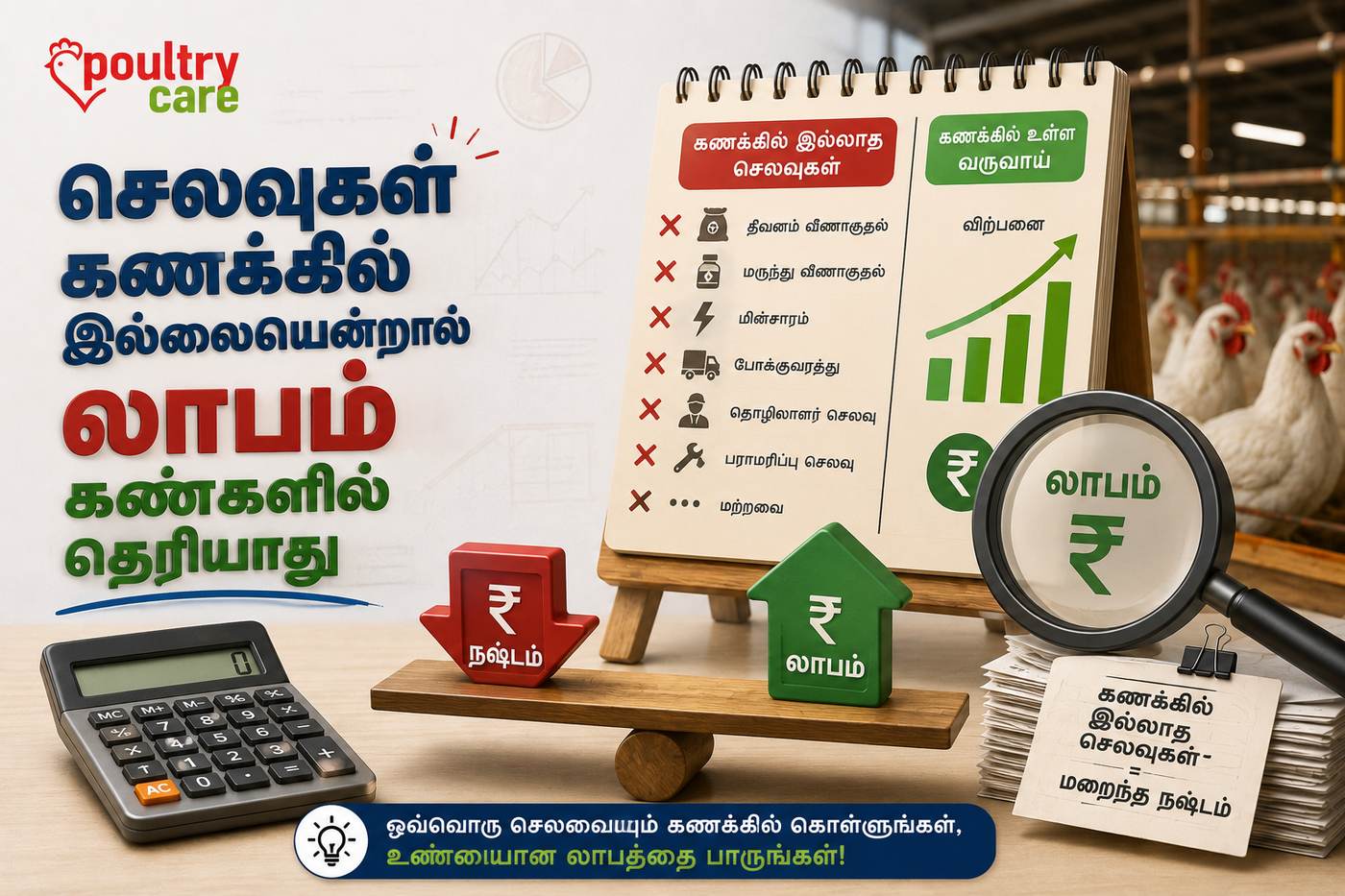
There are many other costs that quietly add up. Transportation, loading and unloading, bird loss, weight loss, labor, and daily operational expenses all contribute to the final cost. These are not always calculated in detail, but they directly affect profit.
When these costs are not included, the selling price may look profitable on the surface, but in reality, it may be below the actual cost.
This is why understanding the true minimum selling price becomes critical.
How Small Miscalculations Turn Into Big Losses
In daily trading, a small difference in price may not feel significant. Reducing the rate slightly to close a deal feels normal. Adjusting the price to match competition seems necessary. But when these small adjustments happen without knowing the base price, they create silent losses.
One transaction may not show the impact. But over multiple transactions, the effect becomes visible. Profit reduces slowly, and in some cases, losses start appearing without a clear reason.
Traders often feel they are working hard and selling consistently, but the financial outcome does not match the effort. This gap is usually caused by not knowing the true minimum selling price.
The Pressure of Market Rates and Customer Expectations
Poultry trading is highly influenced by market conditions. Prices fluctuate daily, and traders must respond quickly. Customers also expect competitive rates, which adds pressure to reduce prices.
In such situations, traders often focus only on matching the market rate. They try to stay competitive without considering whether the rate covers their full cost.
This creates a risky situation.
If the market rate goes below your actual cost and you continue selling without clarity, every transaction adds to loss instead of profit.
Understanding your minimum selling price helps you handle market pressure more confidently. It gives you a clear boundary within which you can operate safely.
Why Many Traders Avoid Calculating Their True Cost
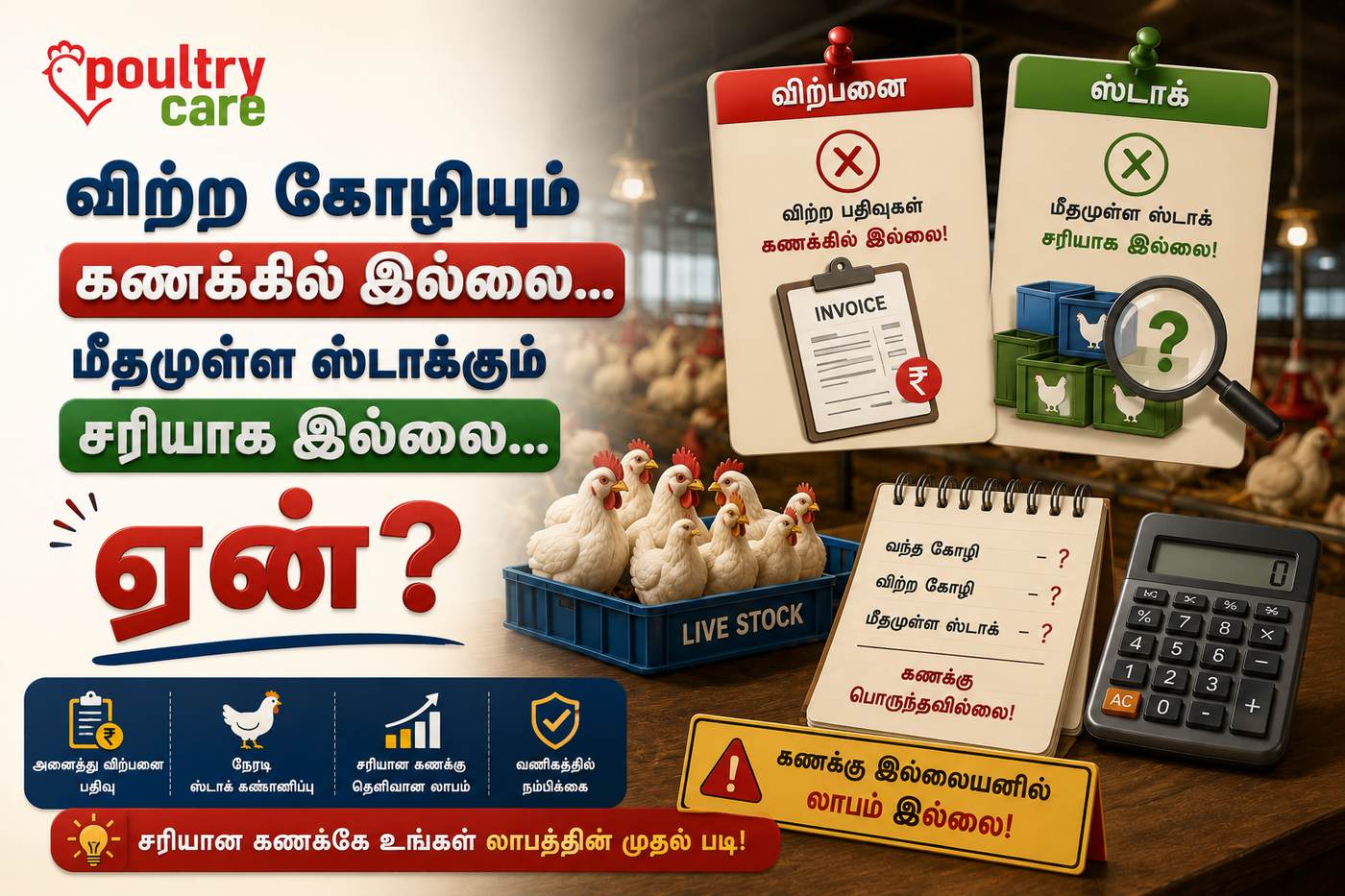
Calculating the exact cost may seem complicated or time-consuming. Many traders rely on experience instead of detailed calculation. They believe they have a rough idea of their cost and margin.
While experience is valuable, it may not always capture hidden expenses accurately. Costs change over time. Fuel rates increase, labor charges vary, and operational expenses shift.
Without updating and calculating these regularly, the assumed cost becomes outdated.
This creates a gap between expected profit and actual profit.
Knowing your minimum selling price requires awareness of all these changing factors.
The Impact of Price Clarity on Decision Making
When traders clearly know their minimum selling price, decision-making becomes stronger. They no longer depend on guesswork. They understand which deals are safe and which are risky.
This clarity reduces hesitation. It also prevents unnecessary price reductions. Traders become more confident in their pricing because they know their boundaries.
This does not mean losing customers. In fact, clear pricing often improves negotiation quality. Customers understand that pricing is based on logic, not mood.
Over time, this builds respect and trust.
From Uncertainty to Control in Daily Trading
Without a clear minimum price, trading feels uncertain. Each deal carries doubt. Profit depends on chance. But when the base price is known, the entire approach changes.
Trading becomes more controlled. Each transaction is evaluated with awareness. Profit is not left to assumption.
This shift from uncertainty to control improves overall business stability. It allows traders to plan better, manage risks, and maintain consistent performance.
How Minimum Price Awareness Supports Long-Term Growth
Growth in poultry trading is not just about increasing volume. It is about maintaining healthy margins while expanding business.
If volume increases but margins are unclear, growth becomes risky. Traders may handle more transactions but still struggle financially.
Knowing the minimum selling price ensures that every transaction contributes positively to the business. It protects margins and supports sustainable growth.
This clarity becomes more important as business expands.
Conclusion
In poultry trading, pricing decisions are taken every day, but not all decisions are equally informed. When traders do not know their minimum selling price, they unknowingly take risks with every sale.
Profit does not disappear suddenly. It reduces slowly through small pricing mistakes and unclear calculations.
But when the base price is clearly understood, trading becomes more confident and controlled. Decisions improve, margins become stable, and business becomes stronger.
At the end, success is not just about selling at the market rate. It is about knowing the lowest price at which your business remains profitable and never crossing that line.
Because the trader who knows his minimum price protects his business, while the one who guesses keeps taking hidden risks.