
A Common Situation That Feels Normal but Creates Confusion
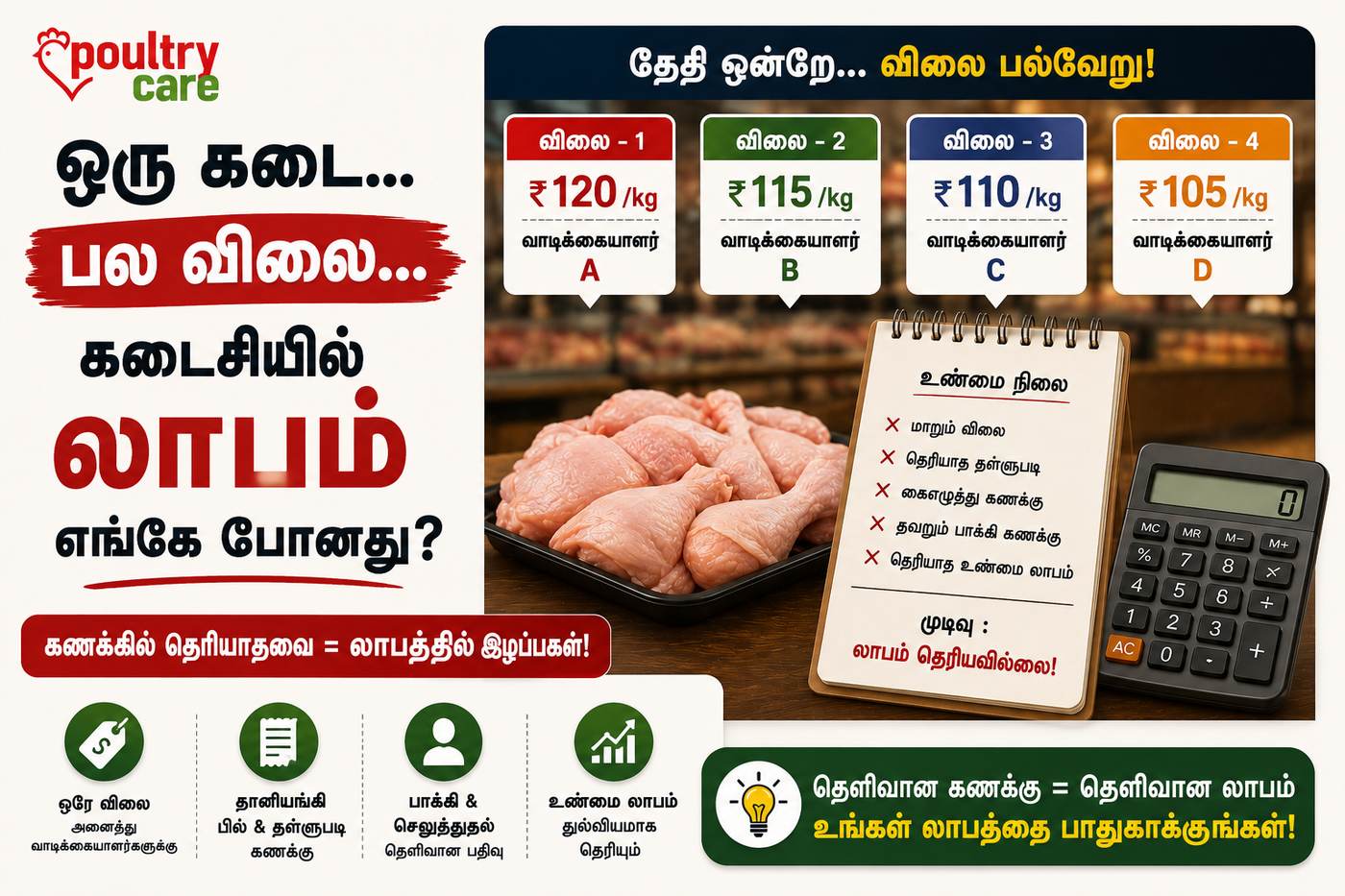
In poultry trading, it is very common to see different customers getting different prices for the same type of birds. On the same day, one customer may get a slightly lower rate, while another pays a higher price. For most traders, this feels normal. It happens during negotiation, based on relationship, urgency, or market pressure.
At first, it does not feel like a problem. Business is moving, customers are buying, and deals are getting closed. But slowly, this practice starts creating confusion inside the business.
Because when pricing is not consistent, clarity is lost.
How Price Differences Start Without Realizing
Price variation does not begin as a planned strategy. It usually starts with small decisions. A regular customer is given a better rate. A new customer is charged slightly higher. A bulk order gets a discount. A slow-moving day leads to price reduction just to close sales.
Each of these decisions looks reasonable at that moment. But over time, they create a pattern where pricing depends more on situation than on structure.
When there is no clear base for pricing, every transaction becomes different. And when every transaction is different, it becomes difficult to measure performance.
When the Same Product Has No Fixed Value
One of the biggest challenges with inconsistent pricing is that the product loses its clear value. The same bird is sold at different rates without a defined reason. This makes it difficult for both the trader and the customer to understand what the correct price actually is.
Customers start comparing rates among themselves. They may question why they paid more or expect lower prices in future transactions. This affects trust.
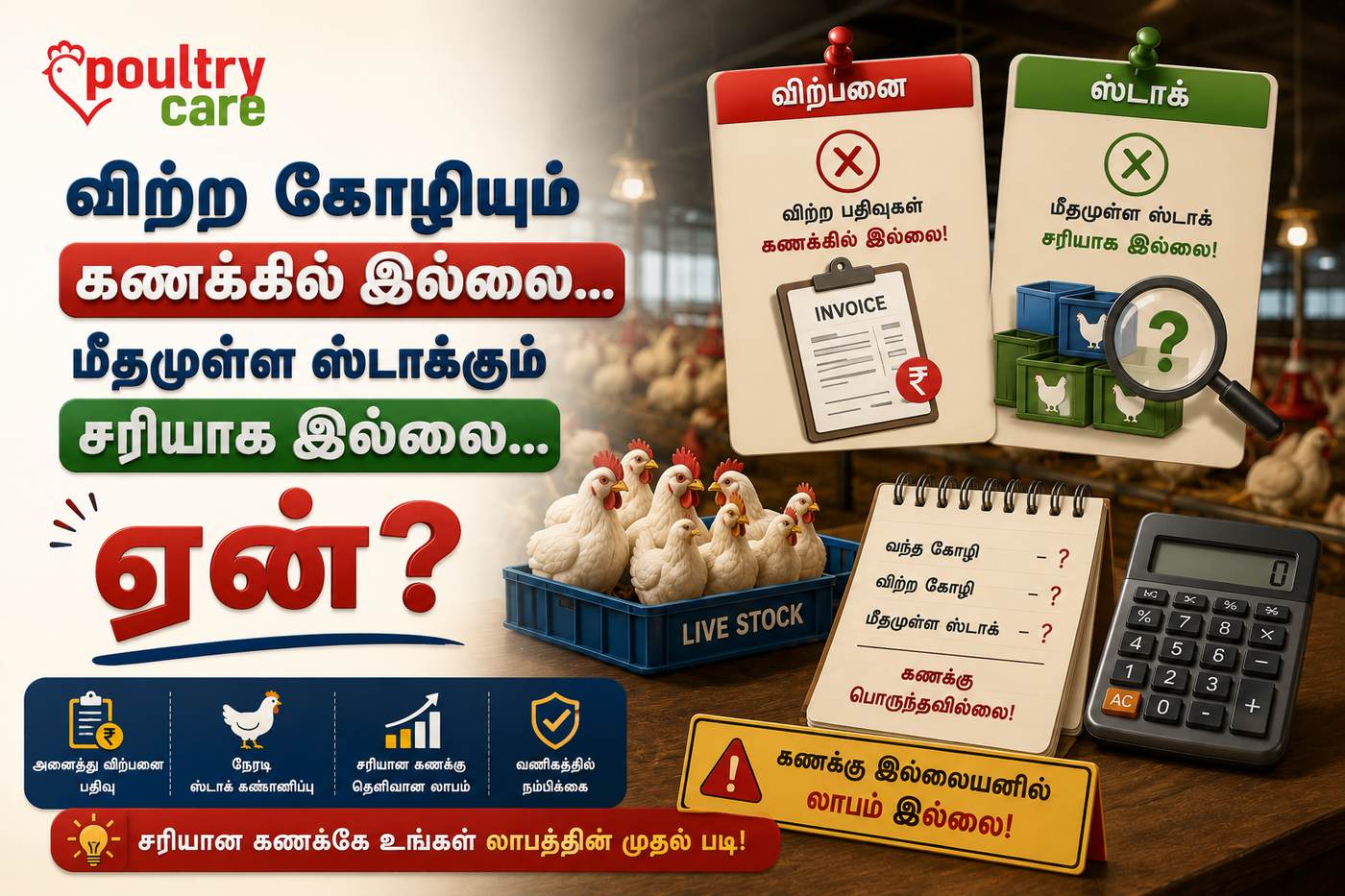
Inside the business, traders also struggle to understand whether they are making proper margins. Because when pricing keeps changing, profit calculation becomes unclear.
The Hidden Impact on Profit and Margins
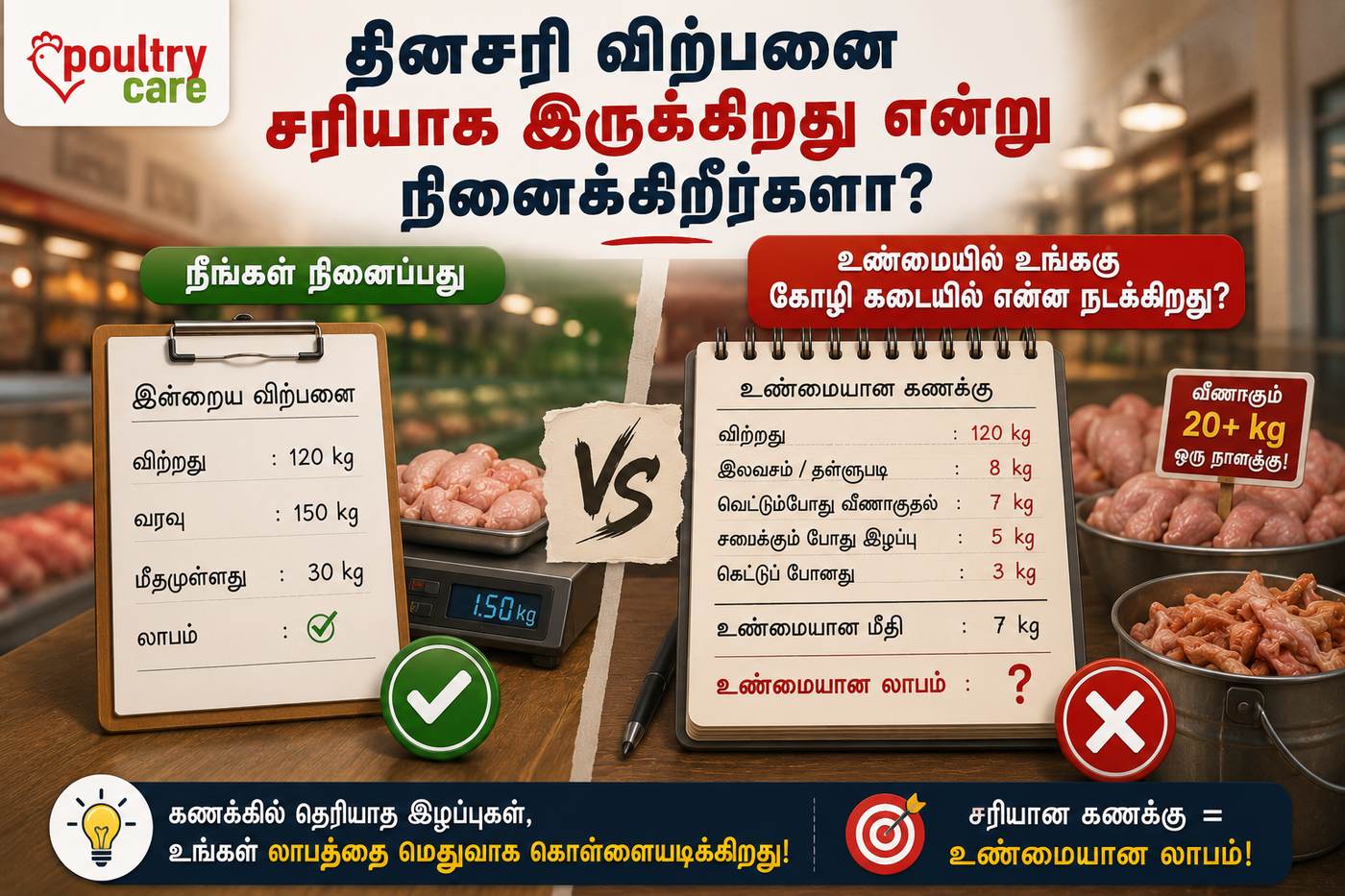
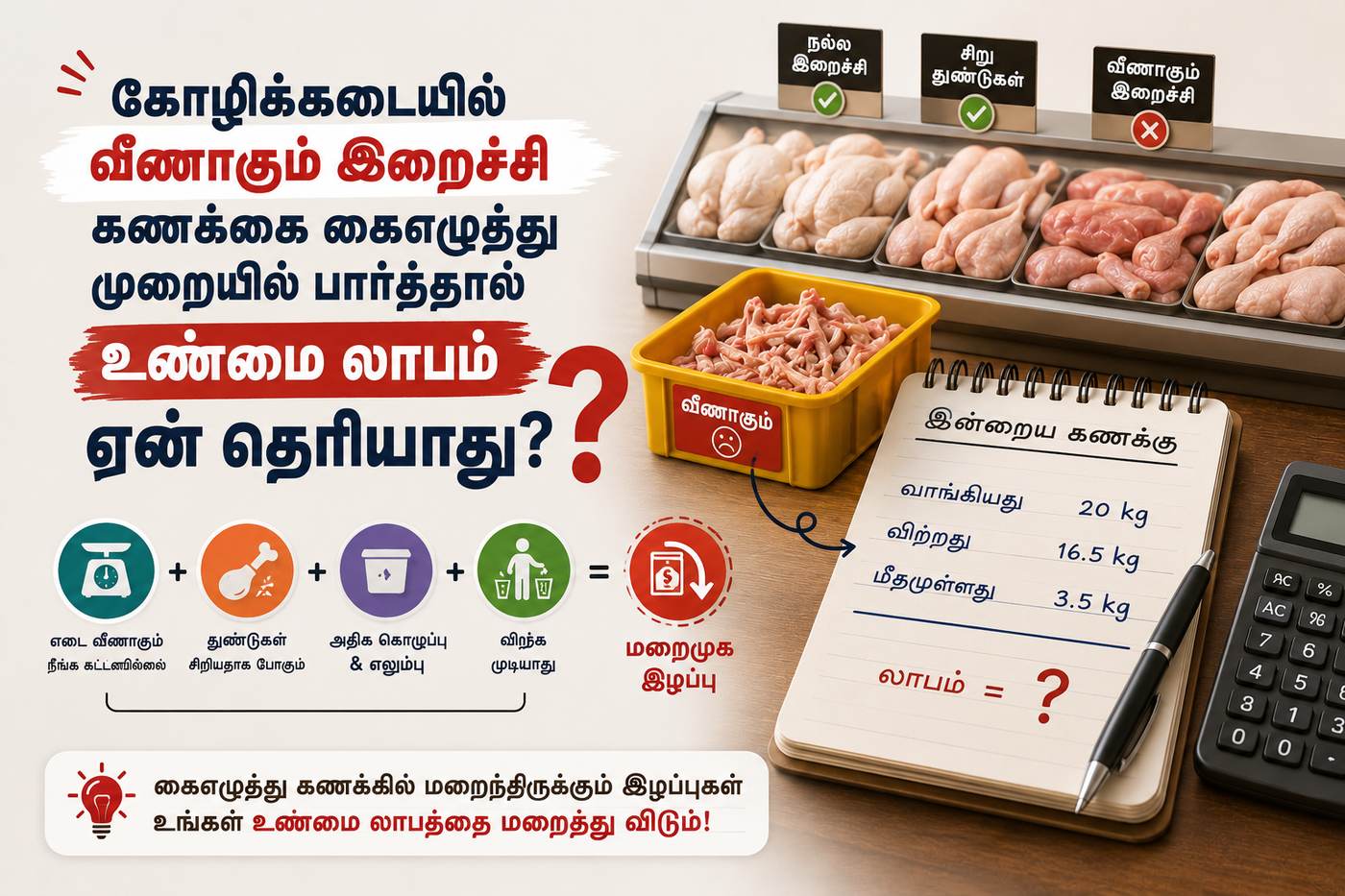
Inconsistent pricing does not always show immediate loss. That is why it continues unnoticed. Some transactions may give good margins, while others may give very little or no margin at all.
When these mixed results are combined, the overall profitability becomes difficult to track. Traders feel they are working hard and selling continuously, but the financial outcome does not reflect the effort.
This creates a silent pressure.
Because the issue is not with one deal, but with the overall pricing approach.
Why Traders Feel Forced to Change Prices
Poultry trading is influenced by many external factors. Market rates fluctuate daily. Competition is strong. Customers negotiate aggressively. These factors create pressure on traders to adjust prices frequently.
Many traders feel that if they do not change prices, they may lose business. This fear leads to flexible pricing without clear control.
But flexibility without structure leads to inconsistency.
The real challenge is not about changing prices. It is about changing them with awareness and clarity.
How Inconsistent Pricing Affects Customer Relationships
Pricing plays a major role in building trust. When customers see clear and consistent pricing, they feel more confident in doing business. They understand the value and trust the process.
But when pricing keeps changing without clear logic, customers become uncertain. They may hesitate, negotiate more, or delay decisions.
Over time, this affects long-term relationships.
Trust is not only built on personal connection. It is also built on transparency and consistency in business practices.
The Need for a Clear Pricing Structure
A clear pricing structure does not mean fixing one rate for all situations. It means having a defined method for deciding prices. Traders need to understand their cost, expected margin, and acceptable range for adjustments.
When this structure is in place, pricing decisions become more controlled. Even when adjustments are made, they are based on logic, not on mood or pressure.
This brings stability to the business.
It also helps in maintaining consistency across customers.
From Random Pricing to Controlled Decisions
The shift from inconsistent pricing to controlled pricing is gradual. It starts with awareness. Traders begin to observe how they are setting prices and how it affects profit.
They start identifying patterns. They understand which decisions are beneficial and which are risky.
Over time, pricing becomes more structured. Decisions become more confident. And the business starts moving with better clarity.
This shift reduces confusion and improves overall performance.
How Consistent Pricing Supports Business Growth
For long-term growth, consistency is important. When pricing is stable and controlled, it becomes easier to plan, expand, and manage operations.
Customers also prefer dealing with traders who offer predictable pricing. It reduces negotiation time and builds stronger relationships.
Growth is not just about increasing sales. It is about maintaining control while increasing volume.
Consistent pricing helps achieve this balance.
Conclusion
In poultry trading, giving different prices to different customers may feel like a normal part of business. But when it happens without a clear structure, it creates confusion, reduces profit clarity, and affects trust.
Pricing is not just a daily decision. It is a reflection of how well the business is controlled.
When traders bring consistency and clarity into pricing, they gain better control over profit and customer relationships. They move from uncertainty to stability.
At the end, the difference is simple. One trader adjusts prices based on situation. Another trader adjusts prices with understanding.
And over time, the trader with clarity always builds a stronger and more reliable business.