
Every poultry retailer has faced this moment at the end of the day
Sales look good but something does not add up
Stock feels less
Cash feels unclear
And you are left wondering where the loss happened
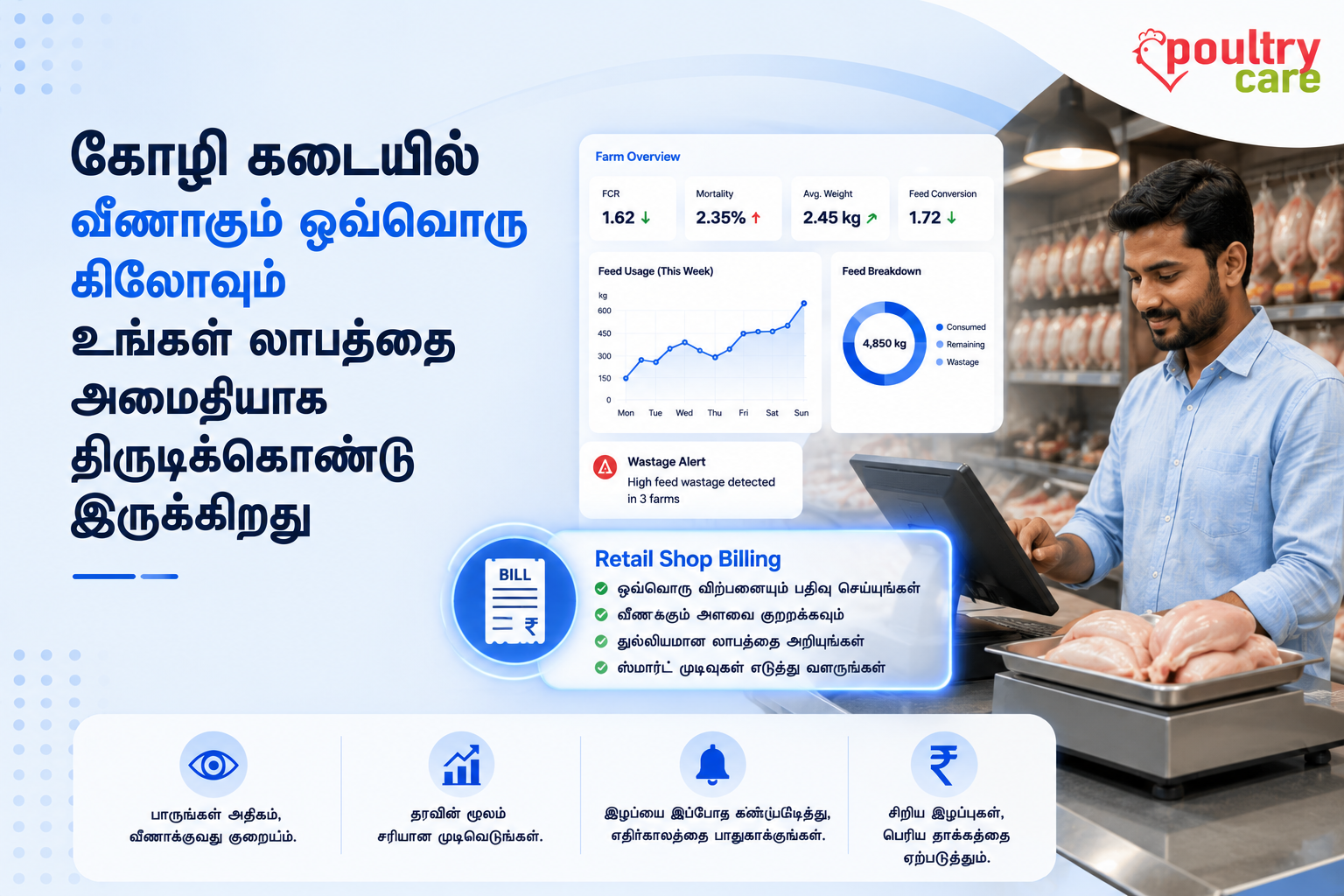
This is where most retail shops struggle Not because the business is weak but because there is no clear system to track shrinkage daily
The solution is not complicated What you need is a simple shrinkage control template that you can follow every day without confusion
Let us walk through a practical approach that you can start using immediately in your shop
Why You Need a Shrinkage Control Template
Running a poultry shop without a system is like driving without a direction You may move forward but you will not know where you are losing
A shrinkage control template gives you clarity on your daily operations
It helps you track
Opening stock
Incoming stock
Sales
Remaining stock
And the difference between expected and actual
Without this structure most retailers depend on guesswork and memory which leads to regular unnoticed losses
When you use a template daily you start seeing your business clearly Numbers begin to speak and problems become easier to identify
Understanding the Basic Flow of Shrinkage Tracking
Before using a template you should understand the simple logic behind it
Your stock moves in a very basic flow
Stock comes in
Stock goes out through sales
Some stock may be lost through wastage or handling
The rest remains as closing stock
Now the goal is to match what you expect with what you actually have
If there is a gap that is your shrinkage
The idea is not to make things complex but to bring discipline into this simple flow
Simple Shrinkage Control Template You Can Follow Daily
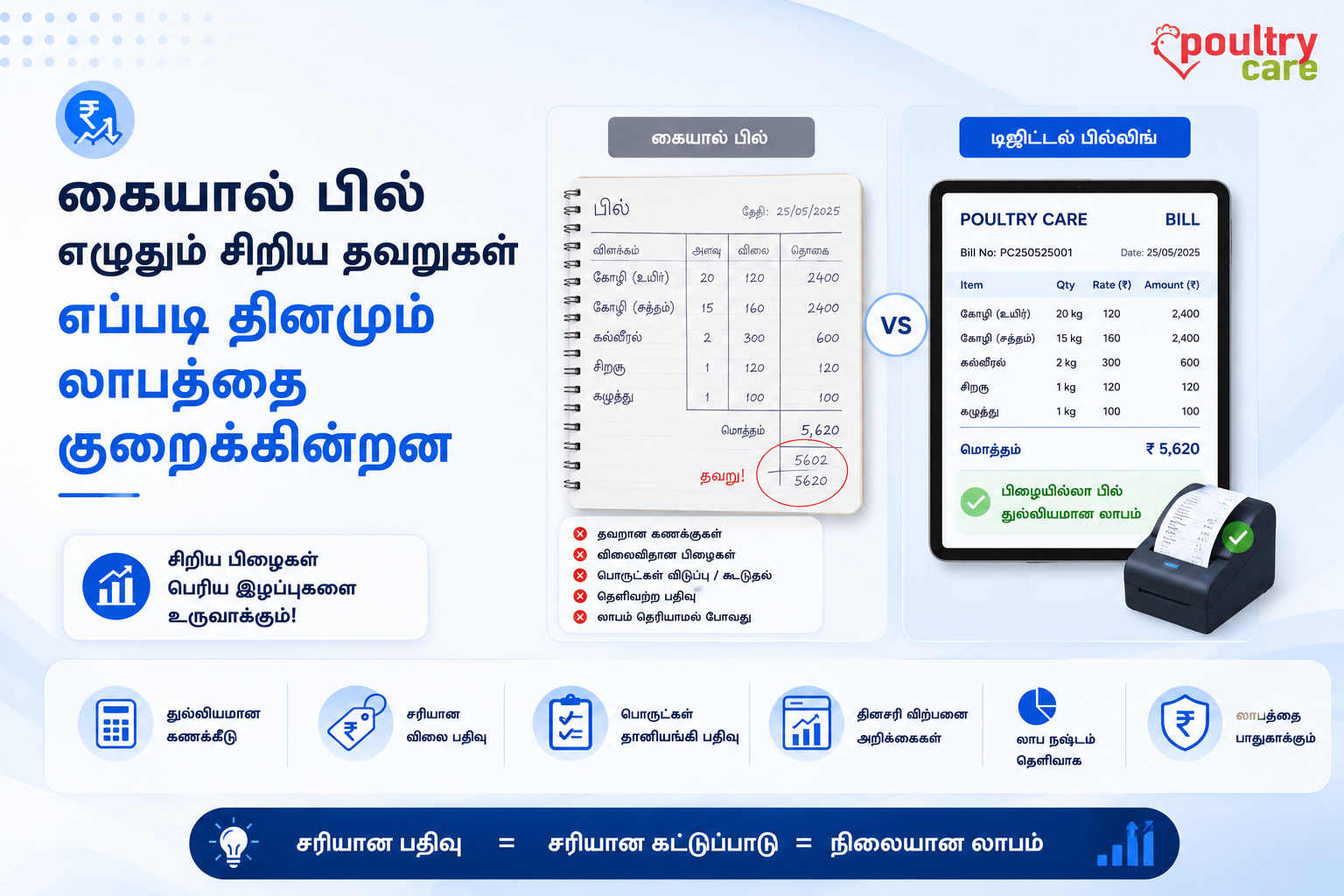
You can maintain your daily record in a notebook or a basic sheet
Your template should include the following columns written clearly
Opening stock
Stock purchased
Total available stock
Total sales
Wastage
Expected closing stock
Actual closing stock
Difference
How to Use This Template
Start your day by writing your opening stock
Add whatever stock you purchase during the day
Now you know your total available stock
As sales happen keep noting the quantity sold
Also record any wastage such as damaged or unsellable stock
At the end of the day calculate your expected closing stock based on your entries
Then physically check how much stock is actually left
The difference between expected and actual is your shrinkage
Sample Data Calculation for Better Understanding
Let us understand this with a simple example in a practical shop situation
You start the day with stock in hand
During the day you purchase additional stock
You sell a certain quantity to customers
There is also a small amount of wastage during cutting and handling
At the end of the day you calculate what should be left based on your records
Then you physically check your stock and compare
If your actual stock is less than expected it means there is shrinkage
This difference may come from small unrecorded sales cutting loss or handling mistakes
By doing this calculation daily you will start identifying patterns
You may notice that losses are higher on busy days or during specific operations
This insight helps you take corrective action quickly
Common Mistakes While Using a Template
Many retailers start tracking but give up because of a few common mistakes
One mistake is not updating the data regularly Writing everything at the end of the day leads to errors
Another mistake is ignoring small differences Thinking that it is normal can turn small gaps into regular loss
Some retailers also mix personal and business stock or cash which creates confusion
To make the template effective you must follow it honestly and consistently
Even if the difference is small take it seriously and try to understand the reason
Making the Template Work for Your Shop
A template is only useful if it fits your daily routine
Keep it simple and easy to follow Do not create a system that feels like extra burden
Train your staff to understand the template and involve them in recording data
Make it a habit to review the sheet every evening before closing your shop
Over time this process becomes natural and does not feel like extra work
Instead it gives you confidence because you know exactly what is happening in your business
How This Simple Habit Changes Your Business
When you start using a shrinkage control template daily you will notice clear changes
You will stop guessing and start knowing
You will identify loss points quickly
You will improve your handling and selling practices
You will have better control over your profit
Most importantly you will feel more confident in running your shop
Retailers who follow this discipline do not struggle with hidden losses They run their business with clarity and control
Conclusion Simple Tracking Strong Profit
Shrinkage is not something you can completely avoid but it is something you can control
A simple daily template is one of the most powerful tools to reduce loss and improve profit
Start today
Write your numbers clearly
Follow the process daily
Check your difference honestly
These small steps will bring big improvement in your poultry retail business
Remember success in retail is not just about selling more It is about losing less and managing better