
Understanding Weight Loss Between Purchase and Sale in Poultry Retail
Introduction: The Question Every Poultry Retailer Faces
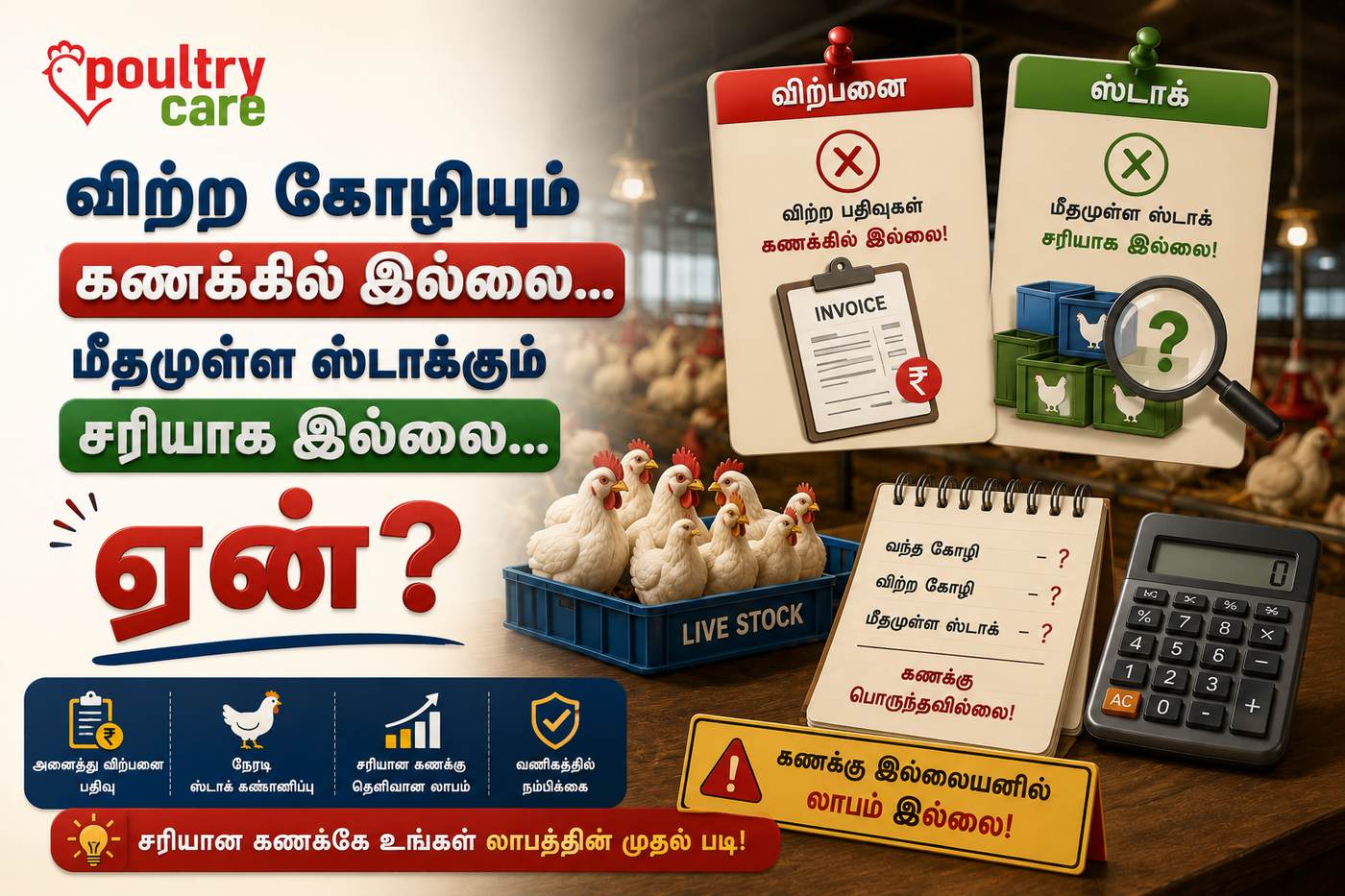
Almost every poultry retailer has experienced this situation.
Birds are purchased based on live weight at the farm or market yard. The calculation looks profitable. The margin seems safe. Everything appears correct at the time of buying.
But when birds are sold later, something feels wrong.
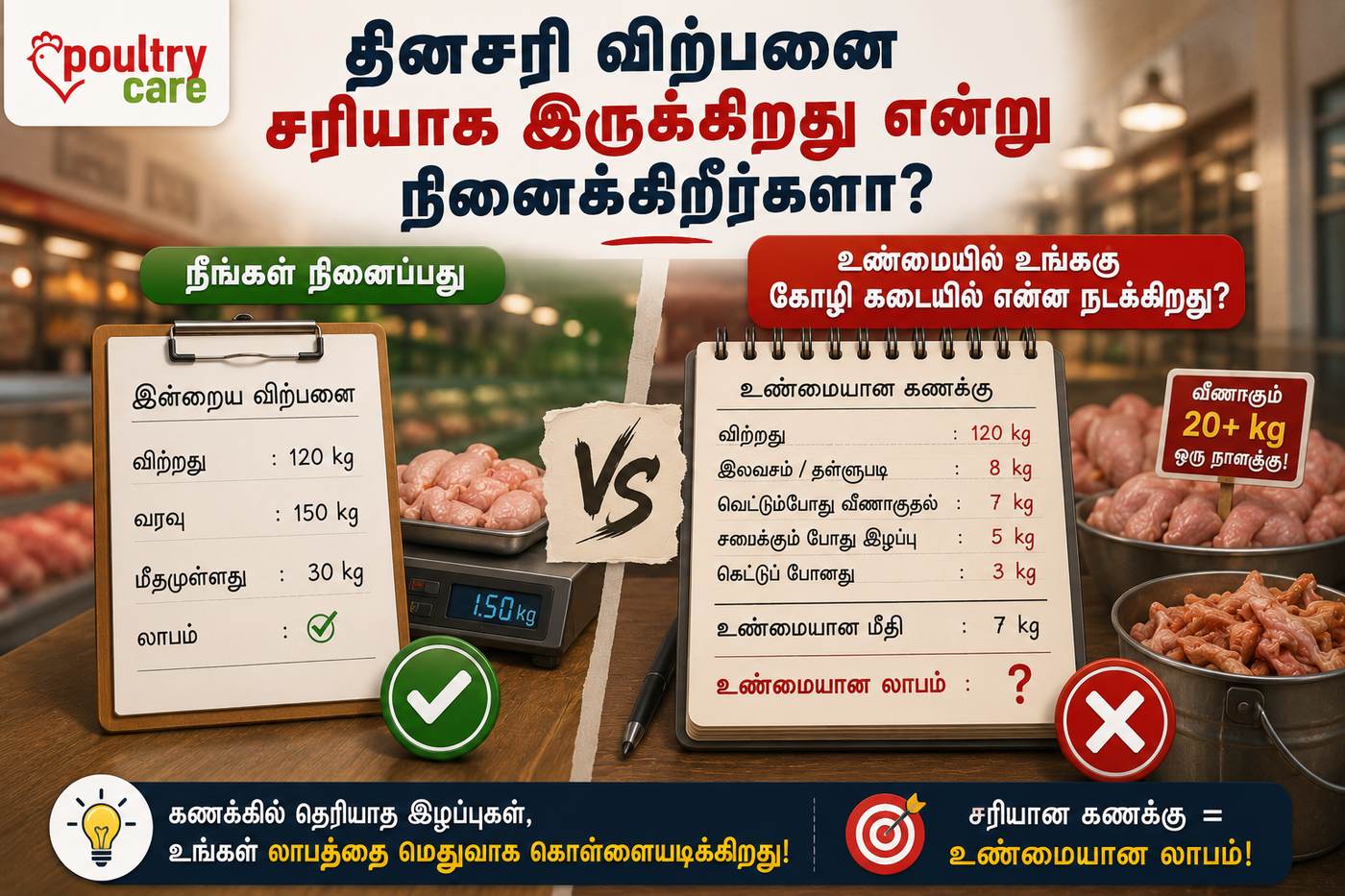
The total weight becomes lower than expected.
Even though no birds are missing, income reduces. Profit margins shrink silently. Arguments sometimes arise between supplier, transporter, and retailer.
Many retailers assume weighing mistakes or suspect manipulation. But in most cases, weight loss is a natural biological and handling process.
The real problem is not weight loss itself. The problem is not understanding why it happens and how much loss is actually acceptable.
Birds Naturally Lose Weight After Handling
Live birds are not static products. They are living animals constantly reacting to their environment.
Once birds are caught, loaded, and transported, their bodies undergo stress. During stress, birds release energy rapidly. This leads to loss of body moisture and gut contents.
Several natural processes begin immediately after catching:
Birds stop eating and drinking
Body temperature fluctuates
Respiration increases
Water loss accelerates
These changes reduce live body weight even when birds remain healthy.
This is known in poultry trading as shrinkage.
Shrinkage starts from the moment birds are removed from the farm environment.
Transport Stress Plays a Major Role
Transportation is one of the biggest contributors to weight loss.
During movement, birds experience vibration, crowding, heat exposure, and limited airflow. Even short journeys can create physiological stress.
Factors influencing transport weight loss include:
Travel duration
Vehicle ventilation
Loading density
Weather conditions
Handling quality
In hot climates, birds lose moisture faster through panting. In cold conditions, energy is spent maintaining body temperature.
Both situations reduce weight before birds reach the retail point.
A retailer may purchase birds honestly at farm weight but receive them with unavoidable shrinkage already occurring.
Holding Time Before Sale Reduces Weight Further
Weight loss does not stop after transport.
Once birds arrive at the retail shop or holding area, another phase begins.
Retailers often keep birds without feed to maintain cleanliness before slaughter. While this practice is necessary, it contributes to additional weight reduction.
During holding:
Birds empty their digestive system
Water intake may reduce
Movement and stress continue
Each passing hour slightly reduces live weight.
Retailers sometimes underestimate how strongly holding duration affects final sale weight.
Long waiting periods between purchase and sale directly influence profitability.
Environmental Conditions Affect Shrinkage
Retail environments differ widely.
Some shops have proper ventilation and shade, while others expose birds to heat, humidity, or overcrowding.
Environmental stress increases metabolic activity, which leads to faster weight reduction.
Key environmental influences include:
High temperature causing dehydration
Poor airflow increasing stress
Overcrowding limiting comfort
Noise and continuous disturbance
Even small improvements in bird comfort can significantly reduce shrinkage.
Healthy birds maintain weight better when stress is minimized.
Handling Practices That Increase Weight Loss
Not all weight loss is unavoidable.
Improper handling during catching, loading, unloading, and storage can increase shrinkage beyond normal levels.
Rough handling causes birds to panic and expend more energy. Injuries or stress responses accelerate dehydration.
Common handling mistakes include:
Overcrowding crates
Delayed unloading
Lack of resting time after transport
Frequent movement between cages
Gentle and organized handling preserves bird condition and reduces unnecessary loss.
Retailers who focus on calm handling often notice measurable improvements in final sale weight.
How Much Weight Loss Is Actually Acceptable
This is the most important question for retailers.
Some weight loss is normal and expected in poultry trading. Trying to eliminate shrinkage completely is unrealistic.
Acceptable weight loss depends on transport distance, climate, and holding duration.
Under normal conditions, minor shrinkage occurs naturally due to feed withdrawal and water loss.
If birds are transported efficiently and sold within a reasonable timeframe, weight reduction remains within manageable limits that traders account for in pricing.
However, excessive shrinkage signals operational problems rather than biological causes.
When loss becomes consistently high, retailers should review transport timing, handling quality, and holding management.
Understanding acceptable loss helps avoid unnecessary disputes between buyers and sellers.
The Hidden Financial Impact of Ignoring Shrinkage
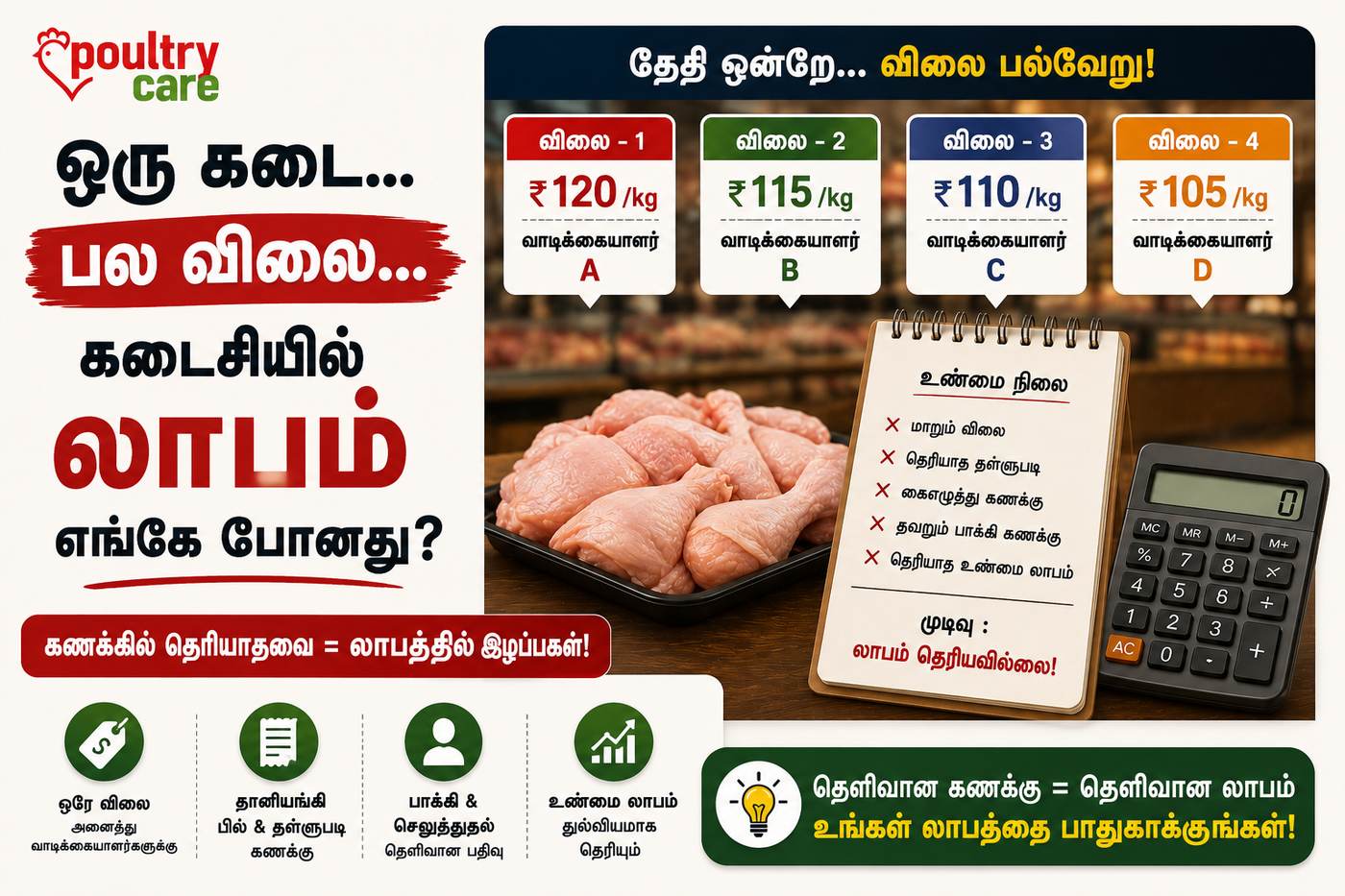
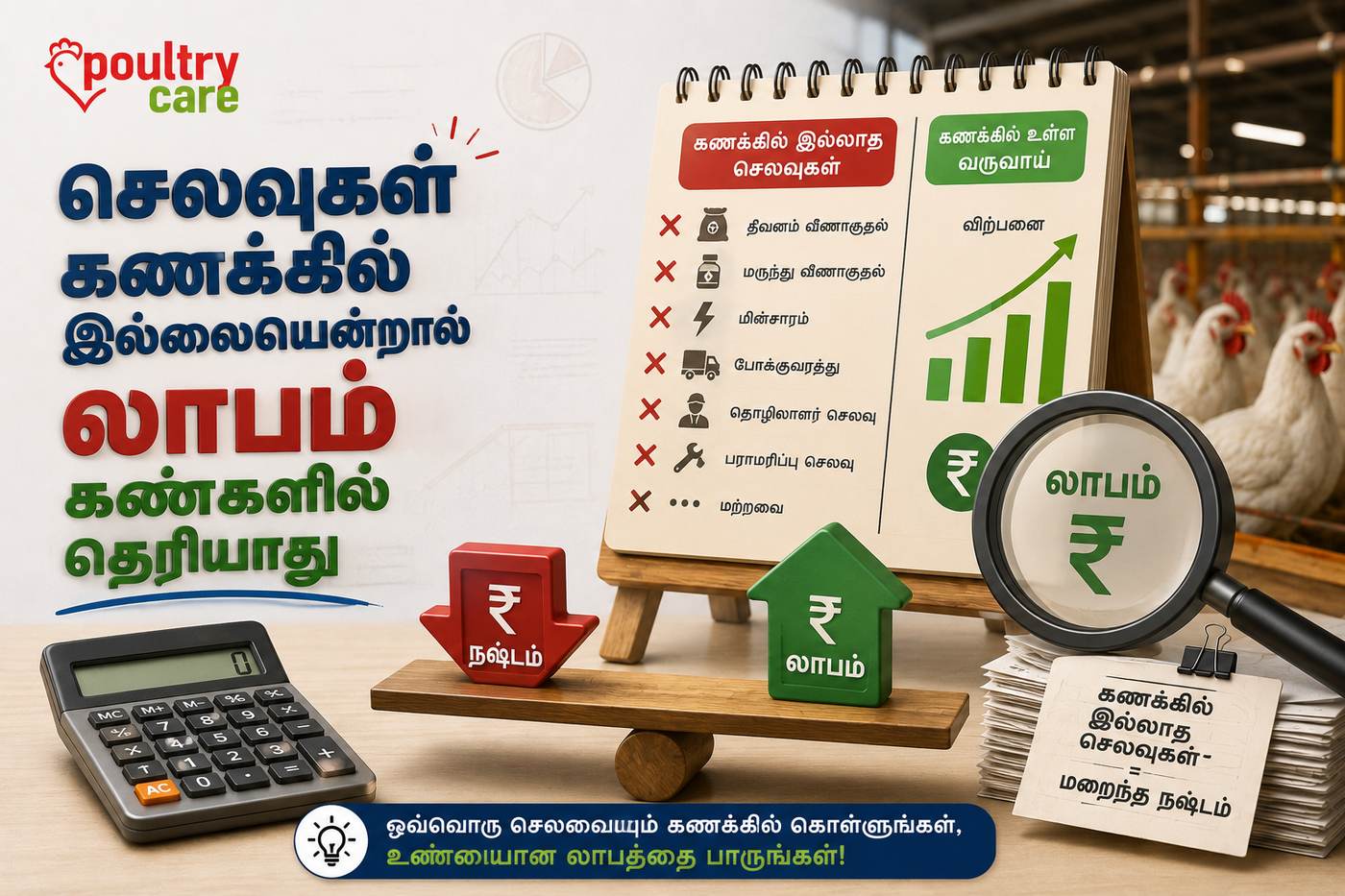
Weight loss directly affects revenue because poultry retail operates on narrow margins.
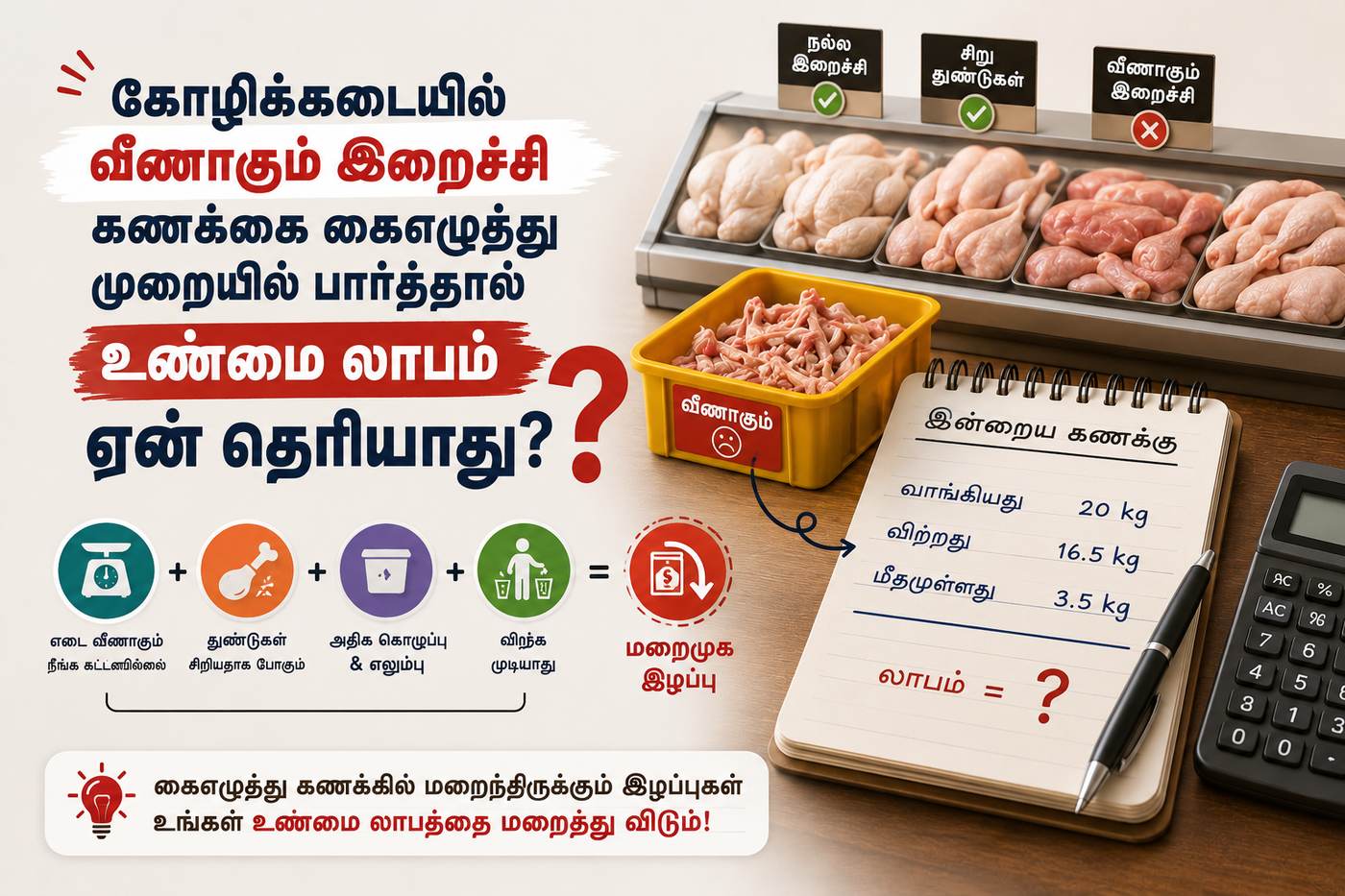
Even small reductions per bird accumulate into significant monthly losses.
Retailers often focus on purchase price negotiation but overlook shrinkage control, which can influence profit equally or more.
When shrinkage is not tracked or understood:
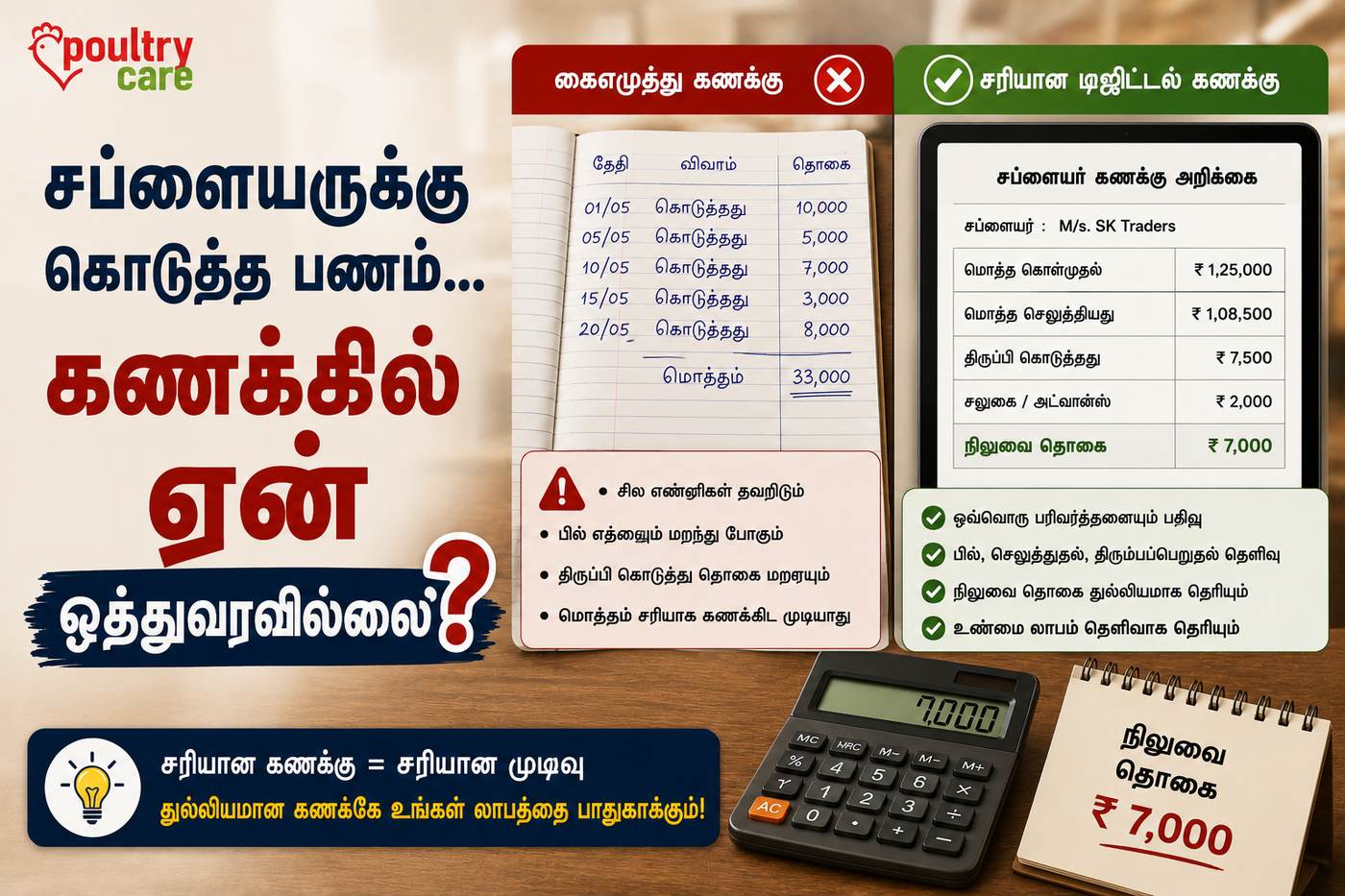
Profit calculations become inaccurate
Pricing decisions become risky
Trust issues arise with suppliers
Financial planning becomes uncertain
Recognizing shrinkage as a measurable business factor transforms decision making.
It shifts focus from blame to improvement.
Smart Retail Practices to Reduce Weight Loss
Experienced poultry retailers adopt simple operational habits that protect bird weight.
They plan purchases closer to expected sale time. They avoid unnecessary holding periods. They prioritize ventilation and comfort.
They also observe bird condition immediately upon arrival instead of waiting until sale time.
Timing becomes the most powerful tool.
The shorter the gap between purchase and sale, the lower the shrinkage impact.
Consistency in process often matters more than expensive infrastructure.
Why Understanding Shrinkage Builds Better Supplier Relationships
Many conflicts in poultry trading arise from misunderstanding weight changes.
Suppliers believe birds were sold correctly. Retailers feel losses occurred after purchase.
When both sides understand natural shrinkage, communication improves.
Instead of arguing about missing weight, traders discuss logistics improvement.
Healthy business relationships grow when expectations are aligned with biological reality.
Knowledge reduces conflict.
The Future of Poultry Retail Depends on Measurement Awareness
Modern poultry retail is slowly shifting from assumption-based decisions to observation-based management.
Retailers who understand weight movement gain stronger control over margins.
They predict outcomes better. They price more accurately. They operate with confidence instead of uncertainty.
Weight loss stops being a mystery and becomes a manageable parameter.
And once something becomes measurable, it becomes improvable.
Conclusion: Weight Loss Is Natural but Uncontrolled Loss Is Not
Weight reduction from purchase to sale is a normal part of poultry retail.
Birds respond biologically to handling, transport, and environment. Some shrinkage will always occur.
But excessive loss is usually a sign of process gaps rather than unavoidable fate.
Retailers who understand the reasons behind shrinkage stop guessing and start managing.
The goal is not zero weight loss.
The goal is predictable weight loss.
Because in poultry retail, profit does not depend only on how many birds are sold, but on how much weight reaches the customer.