In poultry trading, trust is important. Every farmer depends on supervisors, accountants, drivers, and workers to manage daily operations. Birds move continuously from farm to customer, and information travels through people before it reaches records.
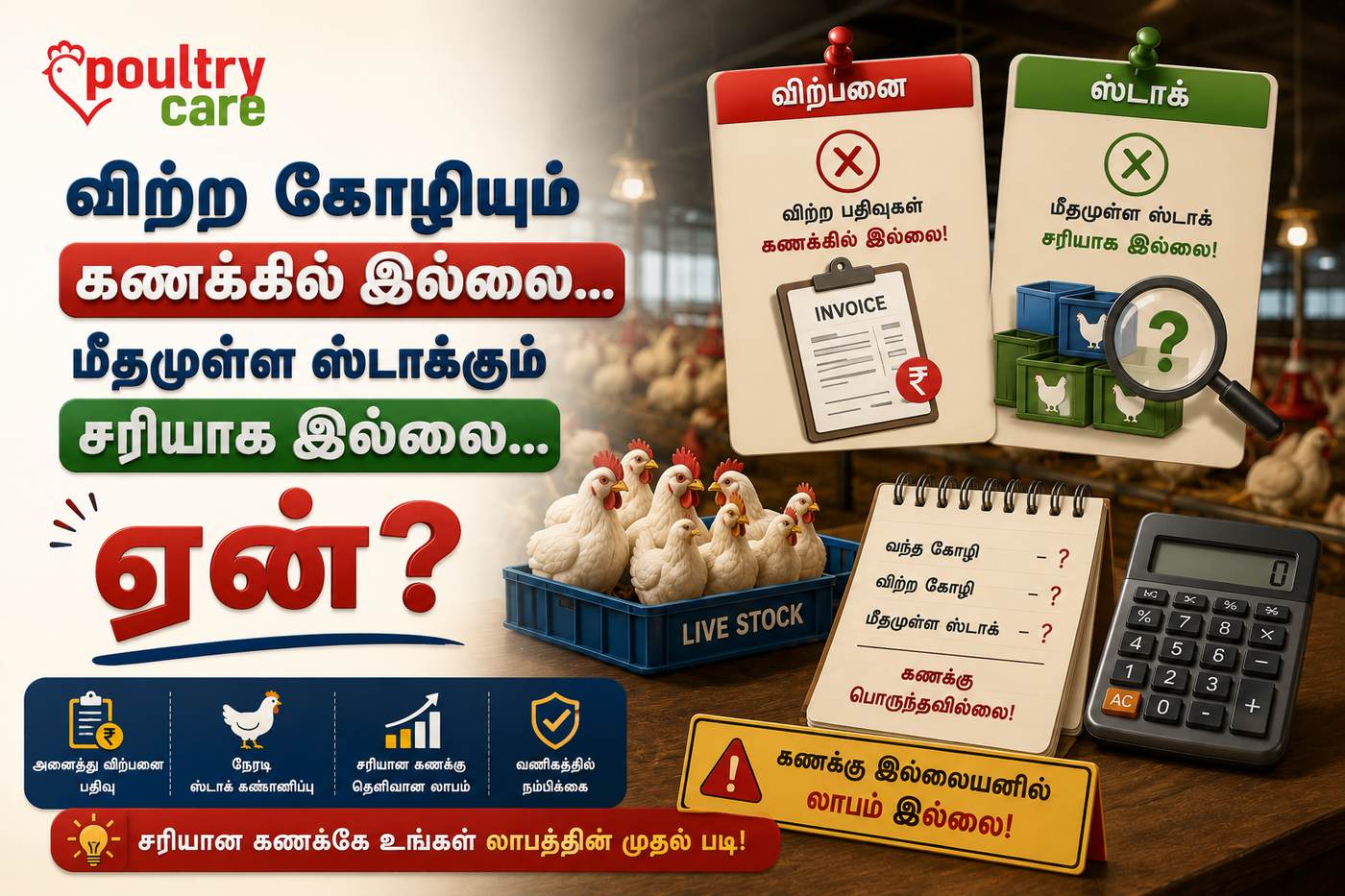
But one common situation appears in almost every trading operation. When stock differences arise, everyone says the same thing. Records were updated based on someone’s information. Birds were assumed to be correct because someone confirmed it verbally.
This creates a silent risk inside the business. Farmers believe they are monitoring stock, but in reality they are trusting updates instead of verifying actual movement.
Over time, this gap between trust and verification becomes the reason behind confusion, stock mismatch, and unexpected financial loss.
The Difference Between Checking and Assuming
Checking stock means seeing real data supported by timely recording. Assuming stock means believing information shared through calls, messages, or memory.
Many poultry traders operate based on daily communication. A worker reports dispatch quantity, another confirms arrival, and accounts update entries later. Each step feels normal, yet delays slowly create inaccuracies.
Bird trading moves fast. Birds gain weight daily, mortality changes numbers, and deliveries happen across multiple locations. When updates are not recorded immediately, reality and records begin to separate.
Farmers often discover the issue only during closing or audit time, when correcting errors becomes difficult.
How Trust Without Visibility Creates Hidden Loss
Trusting people is not the problem. Lack of visibility is.
When operations depend only on human communication, small mistakes go unnoticed. A missed entry, delayed update, or incorrect weight estimation may seem minor, but repeated daily, these errors accumulate.
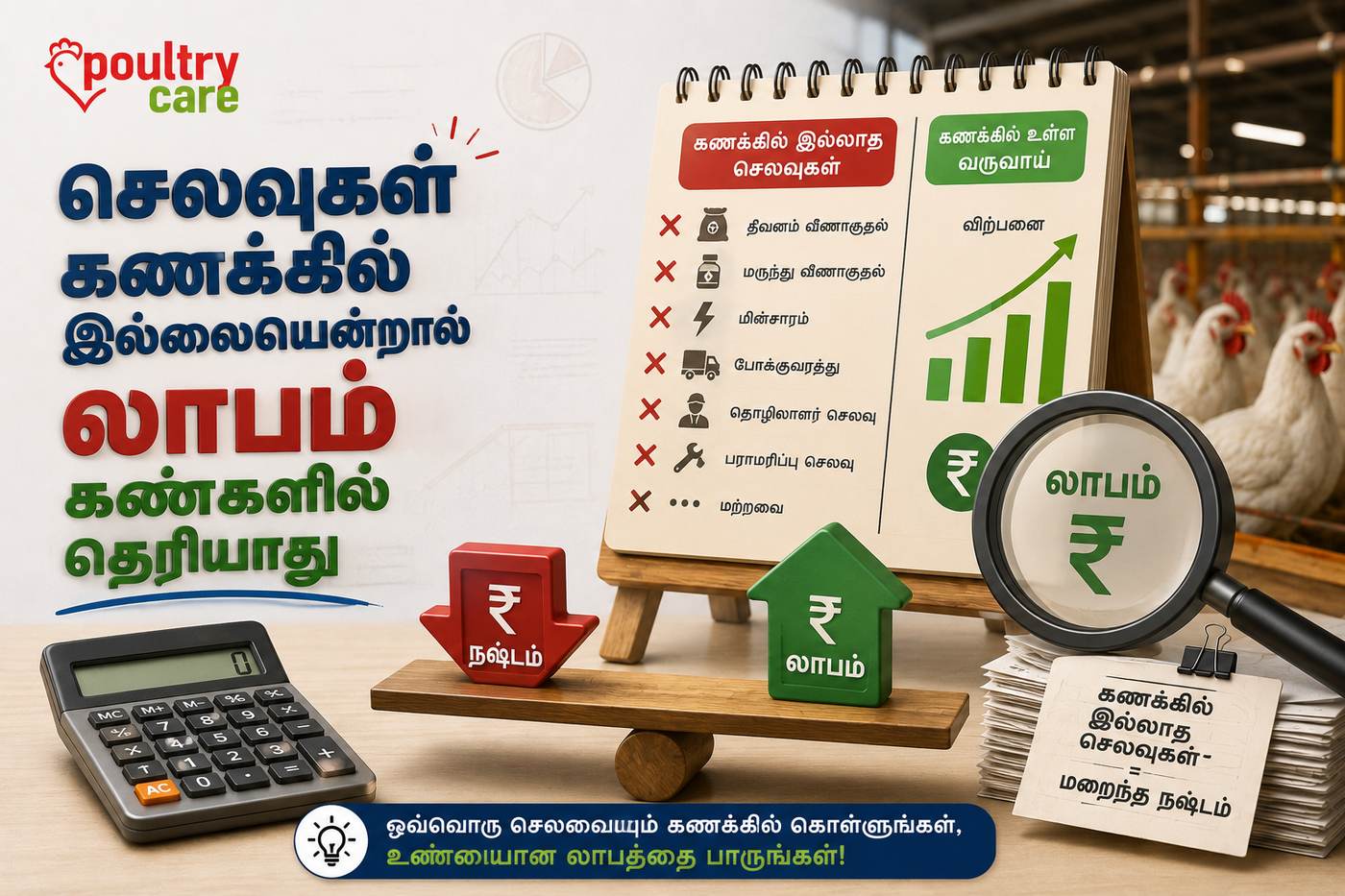
Stock shortages appear even when no theft or major loss occurred. Profit calculations become unclear because numbers are based on assumptions rather than verified movement.
Farmers then spend valuable time investigating instead of growing the business. Stress increases, and teams begin blaming each other even when the real issue is process clarity.
Why Poultry Trading Needs Daily Visibility
Unlike other inventory businesses, poultry trading deals with live stock. Birds change continuously, and their value depends on accurate timing and measurement.
Daily visibility helps farmers understand what is happening at every stage. When bird movement is recorded at the moment it occurs, differences are identified early rather than at month end.
Visibility creates confidence. Farmers can plan sales better, manage purchases wisely, and maintain accurate financial understanding.
Instead of asking where birds went, farmers begin asking how to increase efficiency and profit.
Common Situations Farmers Experience
Many traders realize problems only after repeated patterns appear. Stock looks correct during daily operations but mismatches during final calculation. Sales teams report higher dispatch while farm records show lower balance. Mortality adjustments are entered later, creating confusion in totals.
These situations are not caused by lack of effort. They happen because systems rely on memory and delayed recording rather than structured tracking.
When responsibility is unclear, errors become normal habits rather than exceptions.
Building a Culture of Verification Instead of Assumption
Successful poultry traders shift their mindset from trust-based management to visibility-based management.
Verification does not mean doubting employees. It means supporting them with clear processes that make recording easy and transparent.
When every transaction is captured immediately, everyone works with the same information. Communication improves because decisions are based on shared data rather than individual understanding.
Farmers gain peace of mind because numbers reflect reality at any moment, not just during audits.
The Long Term Impact of Proper Stock Checking
Clear stock tracking improves more than inventory accuracy. It strengthens financial planning, reduces operational stress, and builds stronger team accountability.
Farmers who understand their real stock position can negotiate confidently, plan logistics efficiently, and respond quickly to market changes.
Over time, businesses move from reactive problem solving to proactive growth planning. Instead of correcting mistakes, farmers focus on expansion and stability.
Conclusion
In poultry trading, the real question is simple. Are you checking stock or trusting information?
Trust builds relationships, but verification builds sustainable business success. When farmers gain clear visibility into daily stock movement, confusion reduces and confidence grows.
Accurate stock checking is not extra work. It is the foundation that turns poultry trading into a controlled and predictable operation.
The moment visibility replaces assumption, farmers stop chasing numbers and start leading their business with clarity.