
When Big Sales Still Feel Like a Struggle
Many poultry traders proudly talk about their sales numbers. Trucks are moving daily, customers are calling regularly, and volumes look strong. From the outside, the business appears successful. But inside, the trader feels uneasy. Despite high sales, profit feels weak.
This creates a frustrating question. If sales are high, why is profit still low?
This situation is common in poultry trading. It does not mean the trader is doing something wrong deliberately. It usually means that sales numbers are hiding problems underneath.
Sales and Profit Are Not the Same Thing
Sales show how much product is sold. Profit shows how much money remains after all costs are removed. In poultry trading, these two often move in different directions.
A trader can sell birds worth ten lakh in a month and still struggle to see profit. This happens because sales increase does not automatically reduce cost. In many cases, costs rise faster than sales.
When traders focus only on sales volume, they miss what is happening to margin.
How Thin Margins Get Eaten by Daily Costs
Poultry trading usually runs on thin margins. Even when rates look favorable, the actual margin per kilogram is limited. When daily costs increase slightly, the margin disappears.
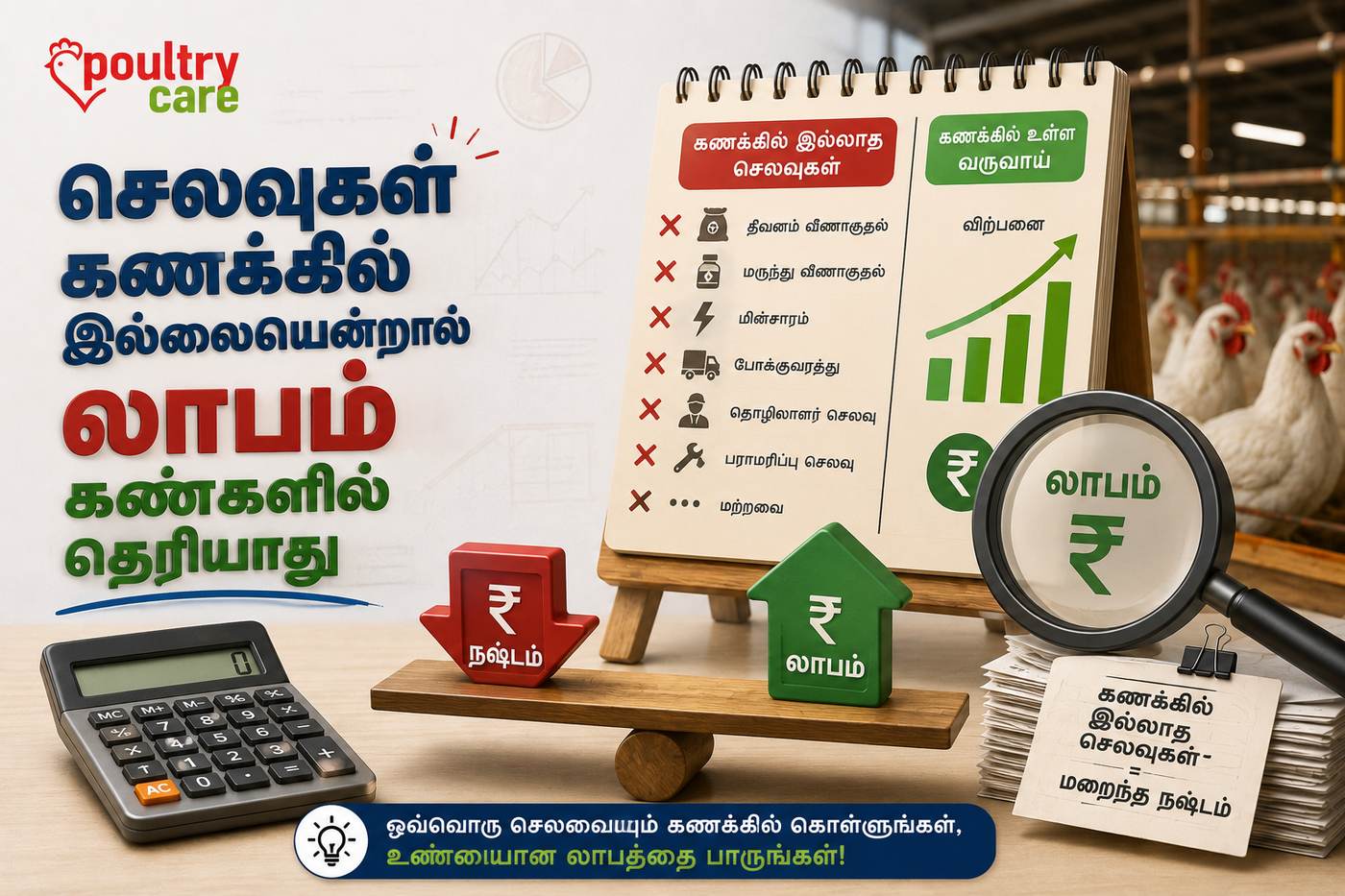
Transport expenses, fuel cost, loading and unloading charges, and small operational expenses add up every day. These costs may not look big individually, but together they reduce profit significantly.
When sales increase, these costs also increase. More vehicles run. More trips happen. More handling is required. If costs are not controlled, higher sales only mean higher expenses.
Discounts and Price Pressure Reduce Profit Quietly
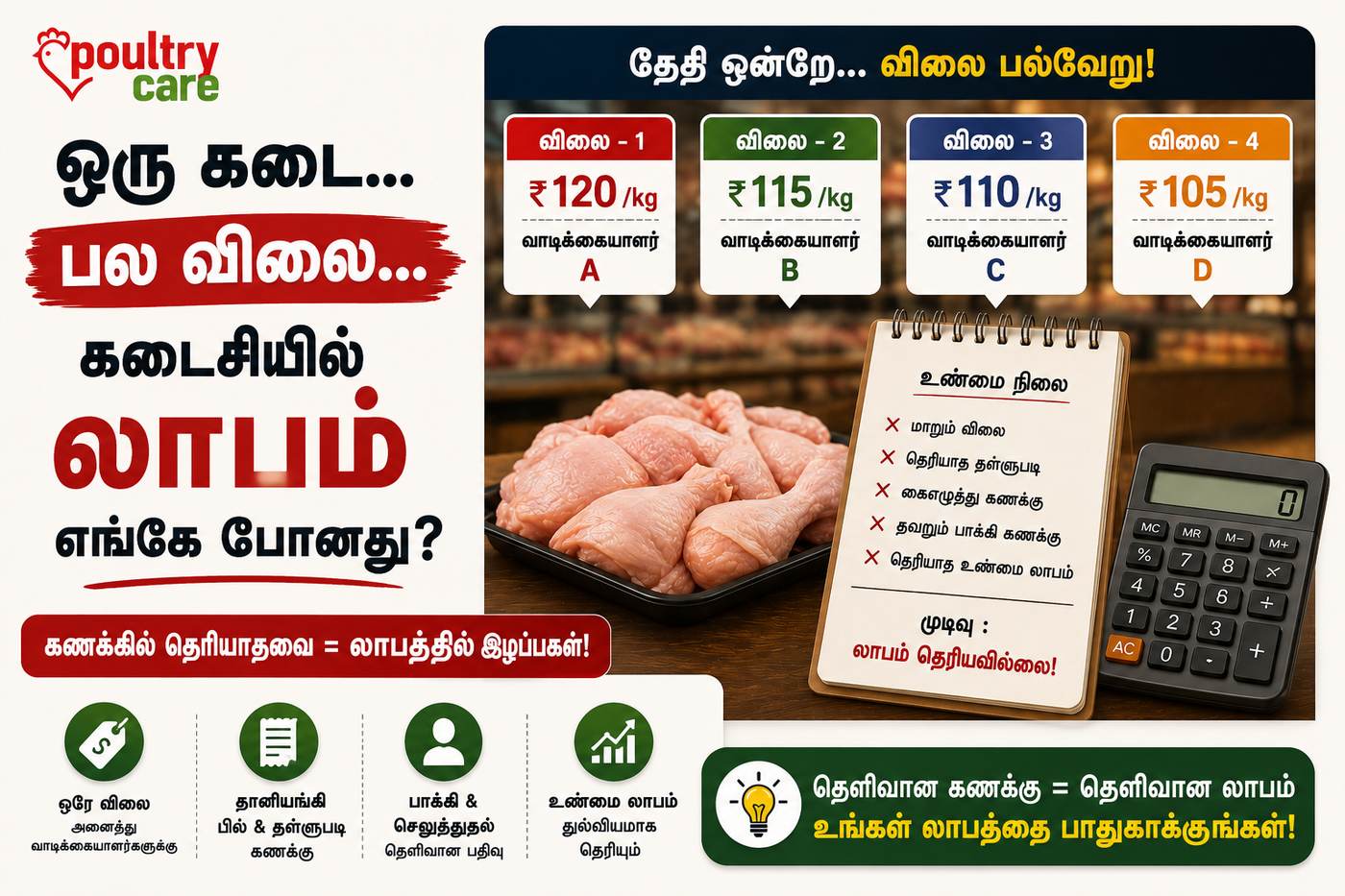
In competitive markets, traders often reduce price to maintain sales volume. Discounts are given quickly to avoid losing customers or to move stock faster.
A small price reduction feels harmless. But when volume is high, the impact is large. If a trader gives a small discount on every kilogram sold, the total loss over a month becomes significant.
High sales with frequent discounts create the illusion of success while slowly eroding profit.
Hidden Losses Increase as Sales Increase
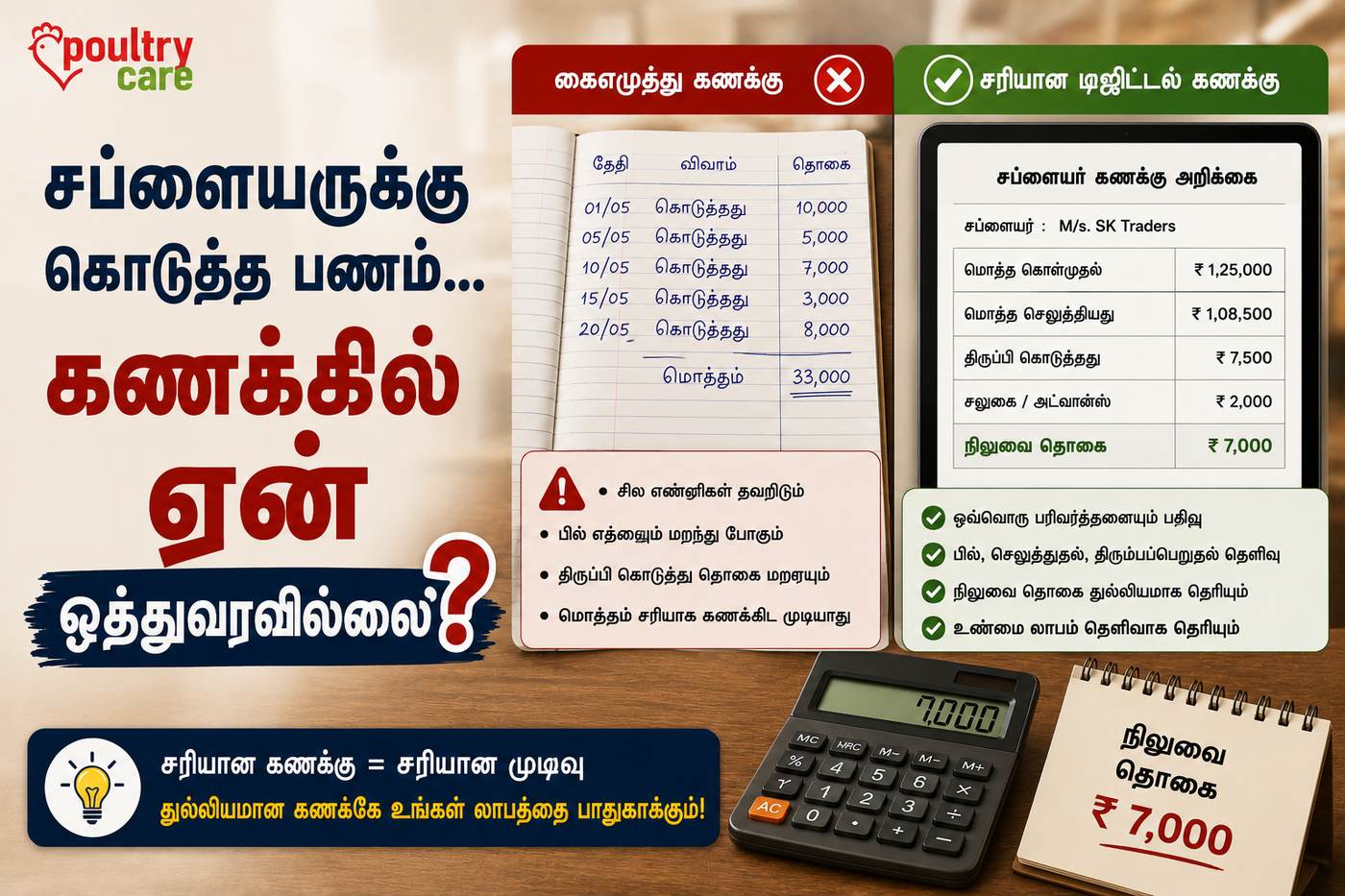
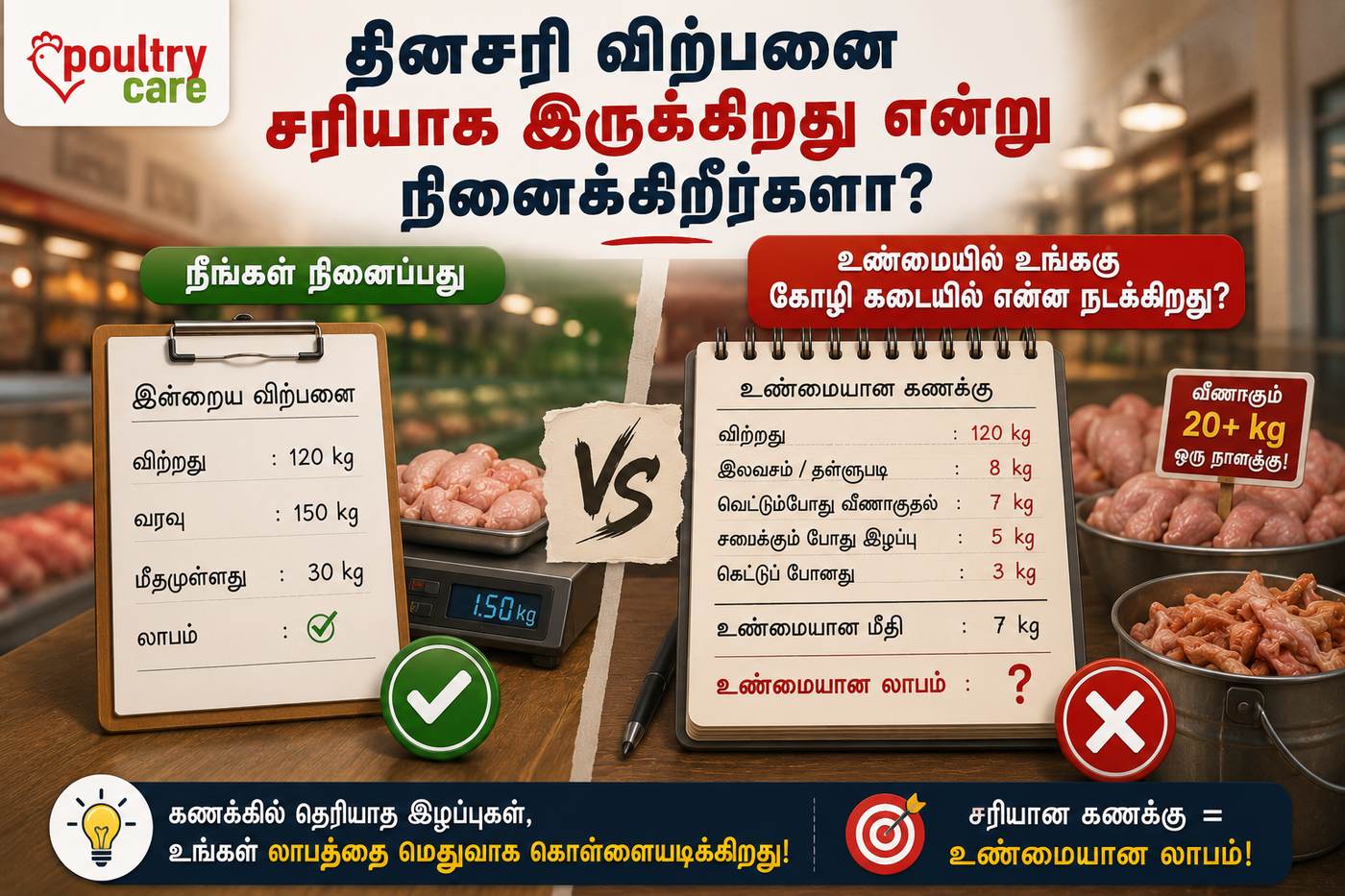
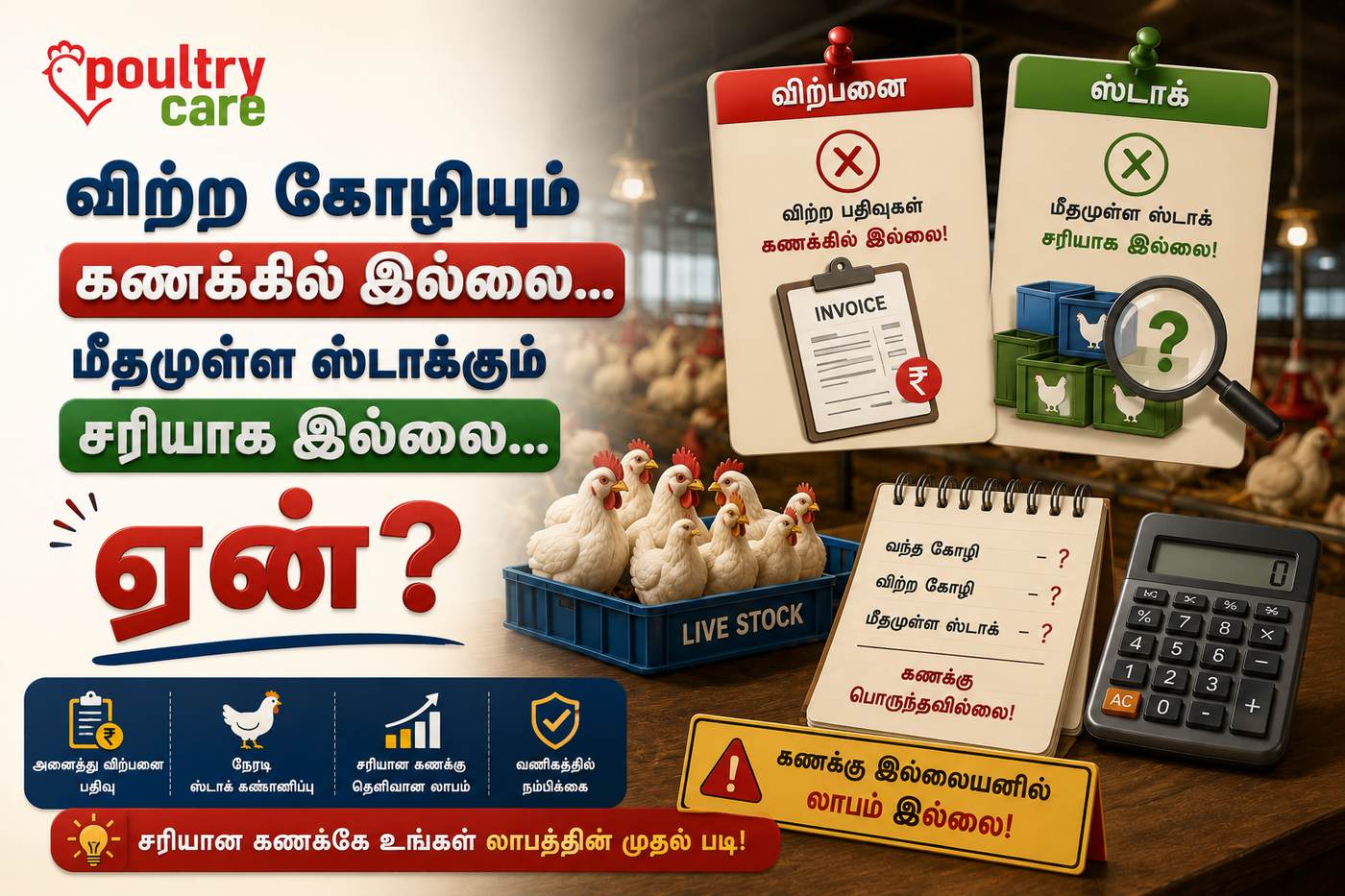
As sales volume grows, hidden losses grow with it. Weight loss during transport increases. Stock differences become more frequent. Delivery delays create additional costs. Payment delays increase financial pressure.
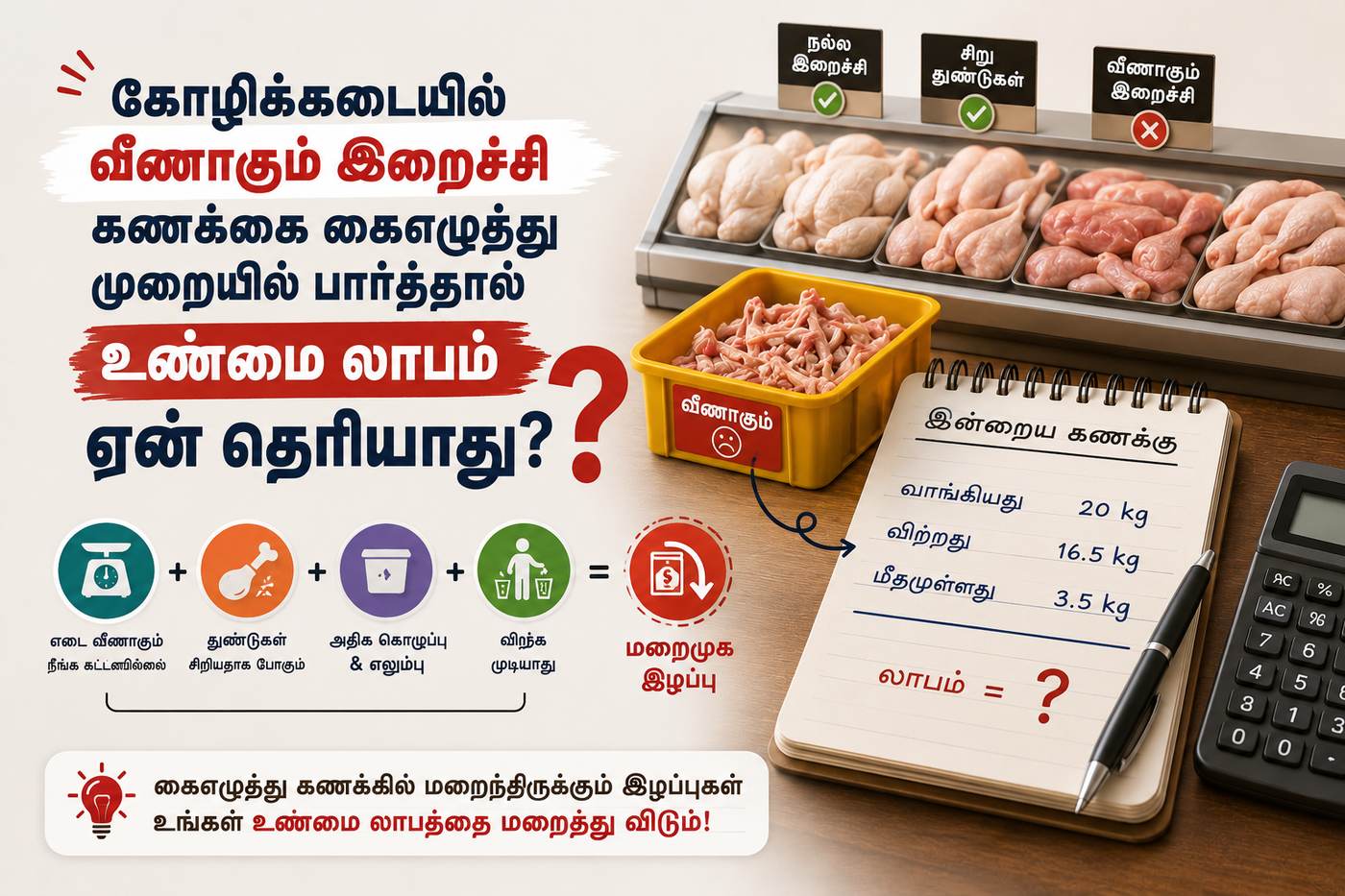
These losses are often accepted as part of the business. Because sales are high, traders assume profit should be fine. In reality, high volume multiplies small losses.
When these losses are not tracked clearly, traders feel confused. They see effort and activity but not reward.
Why High Sales Create Operational Stress
High sales bring pressure. Vehicles must be arranged quickly. Orders must be fulfilled on time. Staff must work faster. Decisions are made in urgency.
In this rush, planning suffers. Inefficient routes are taken. Extra trips are made. Emergency purchases happen at higher rates. These decisions protect sales but damage profit.
Traders become busy all day but still worry at night. This stress comes not from lack of sales, but from lack of control.
How Focus on Sales Alone Hides Real Business Health
When traders measure success only by sales, they ignore warning signs. Cash flow tightens. Expenses grow silently. Margins shrink.
Sales numbers look impressive, but the business becomes fragile. One bad week, one delayed payment, or one cost increase can create serious trouble.
Healthy businesses are not built on sales alone. They are built on controlled margins and predictable profit.
What Changes When Traders Shift Focus from Sales to Margin
When traders start focusing on margin instead of volume, thinking changes. They begin checking cost per trip. They question discounts. They become selective about customers and credit.
Sales may grow slower, but profit becomes stronger. Stress reduces because surprises reduce. Decisions become calm instead of rushed.
This shift does not reduce ambition. It increases sustainability.
The Emotional Impact of High Sales but Low Profit
Many traders feel disappointed when effort does not translate into reward. They work long hours, manage multiple problems, and still feel dissatisfied.
This emotional gap creates frustration. Traders question themselves and the market. Some lose confidence. Some push harder without clarity.
Understanding why sales and profit differ brings relief. It replaces confusion with control.
Conclusion: Sales Are Activity, Profit Is Outcome
In poultry trading, high sales do not guarantee high profit. Sales show movement. Profit shows control.
When traders focus only on selling more, costs and losses quietly grow. When traders focus on margin, discipline improves and profit stabilizes.
The real goal of trading is not just to sell more birds. It is to keep more value from every sale. When that focus changes, poultry trading becomes rewarding, predictable, and sustainable.