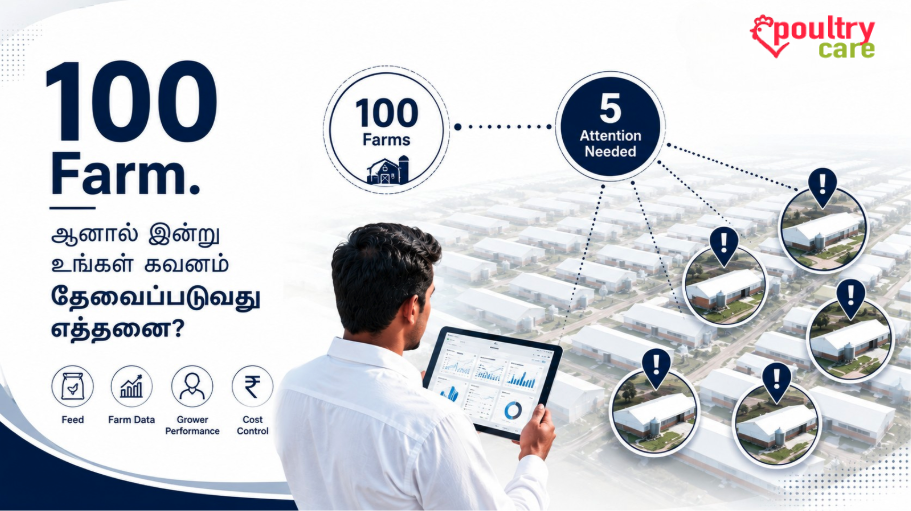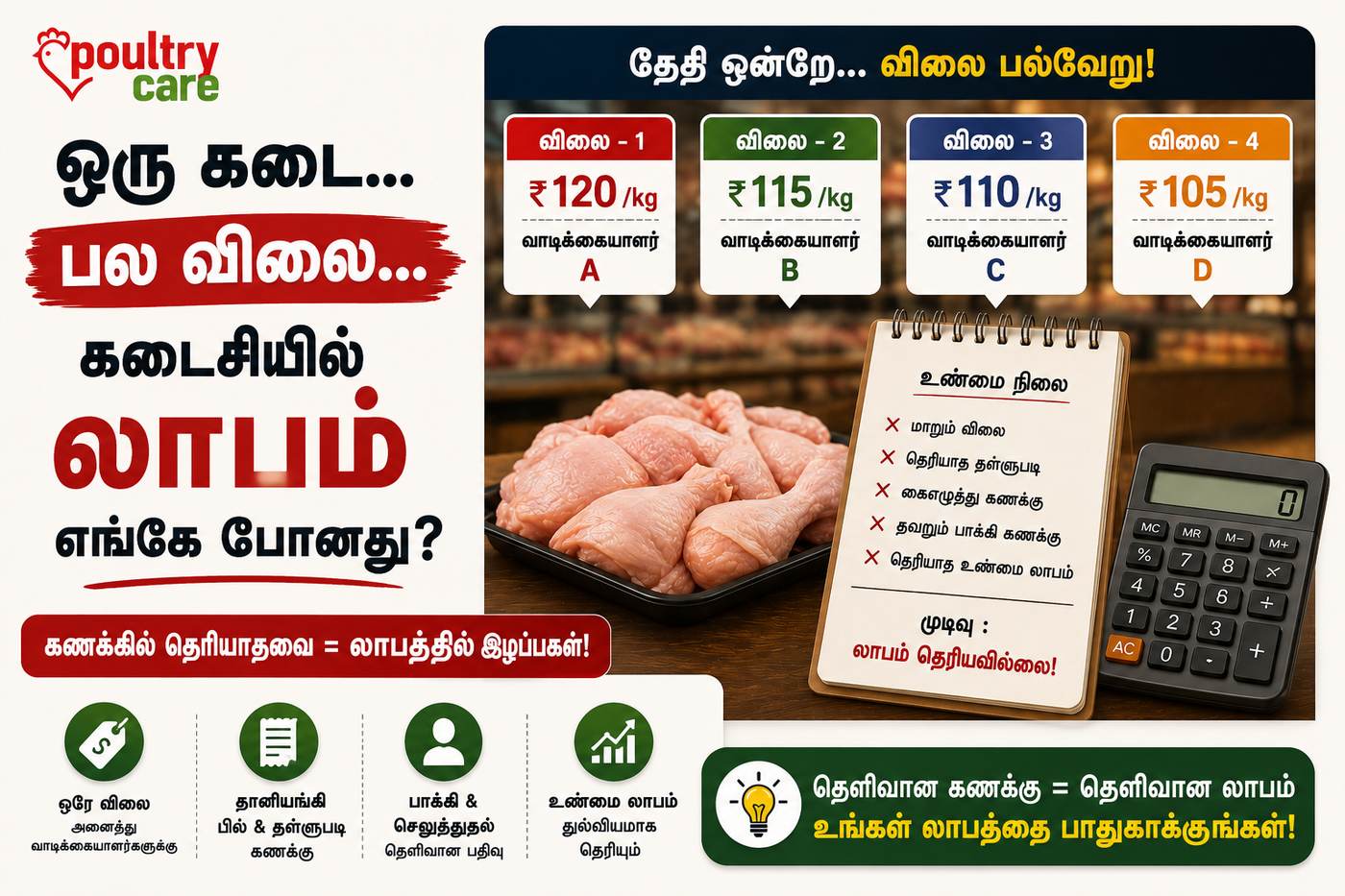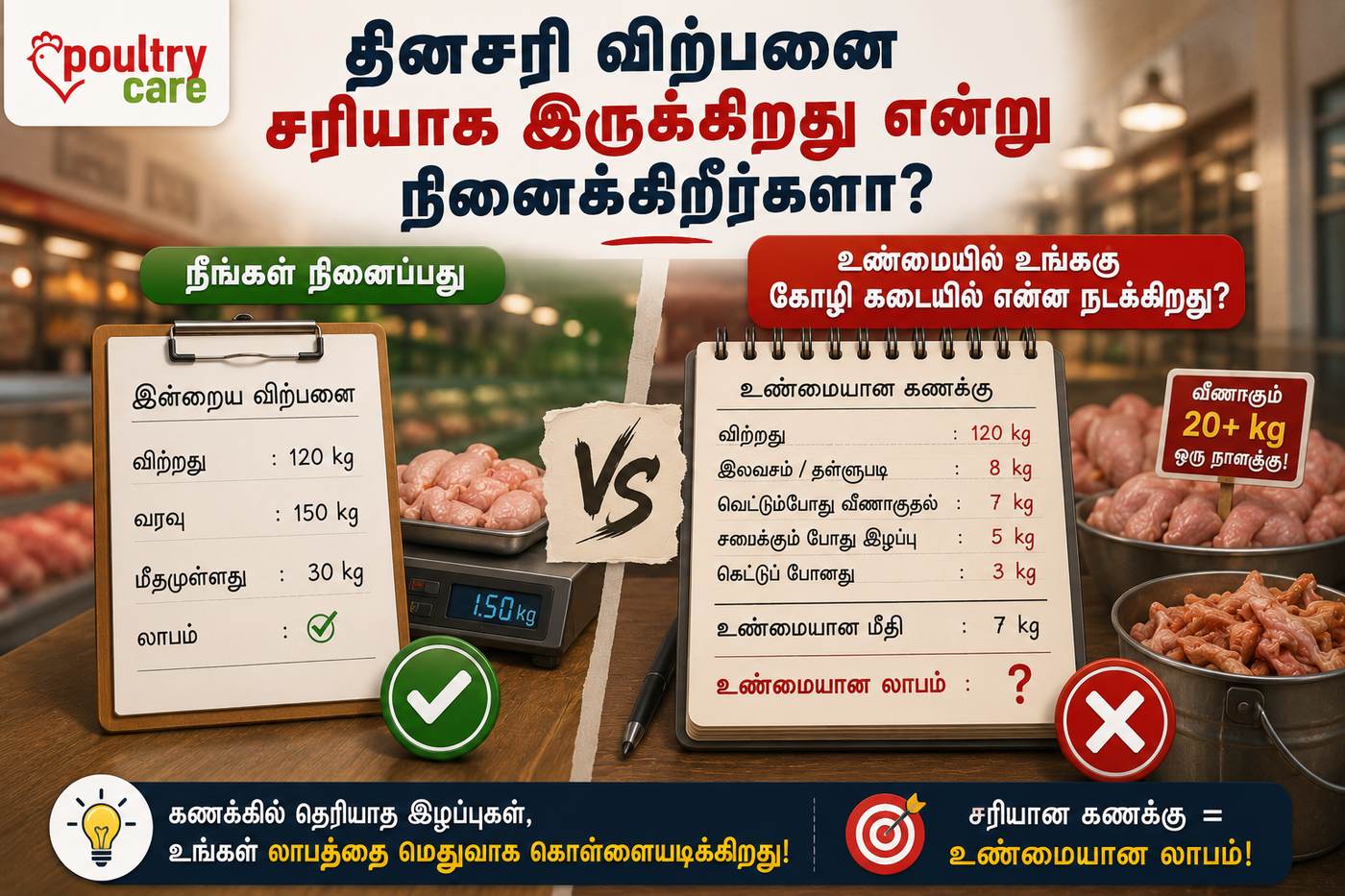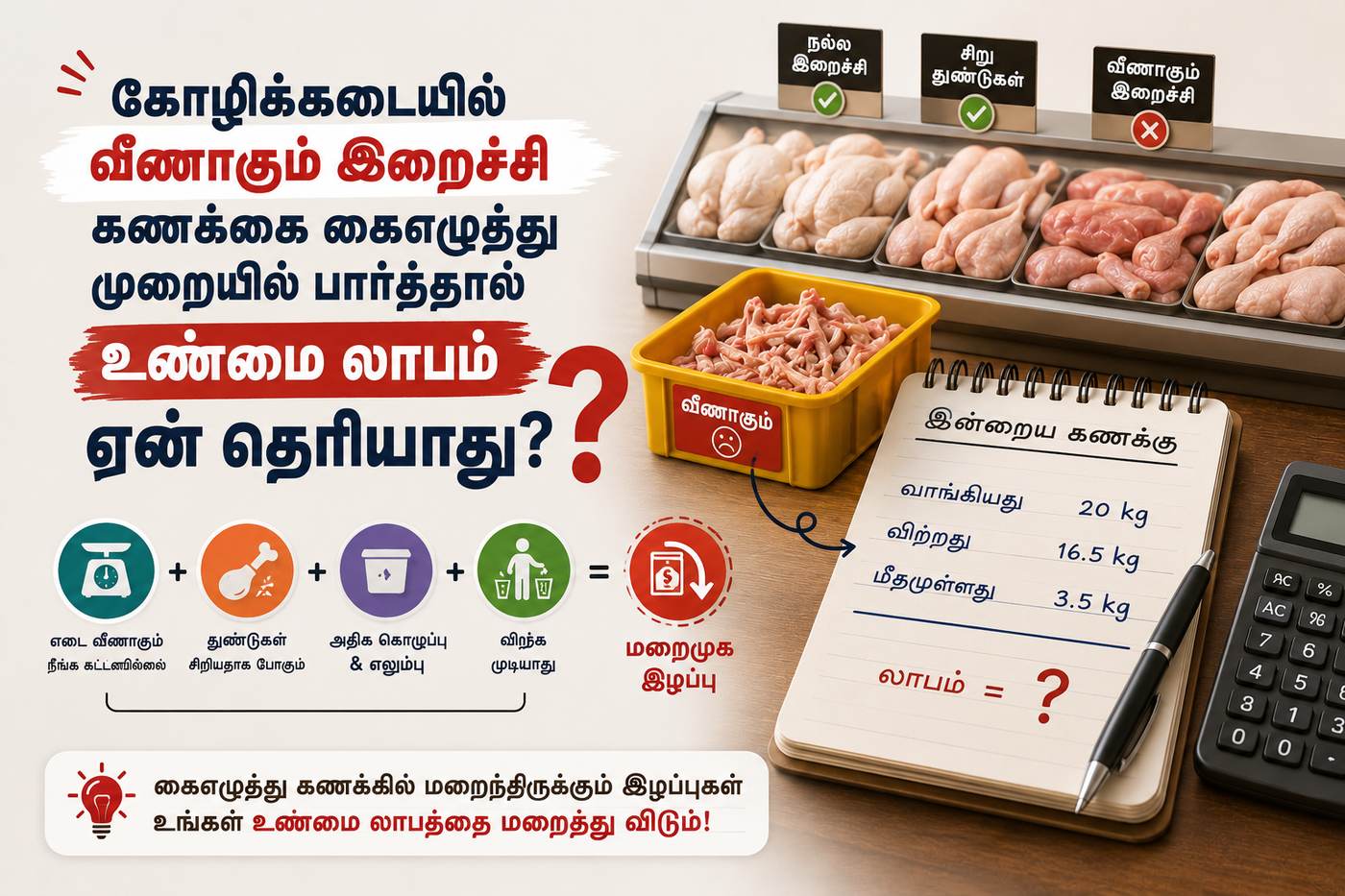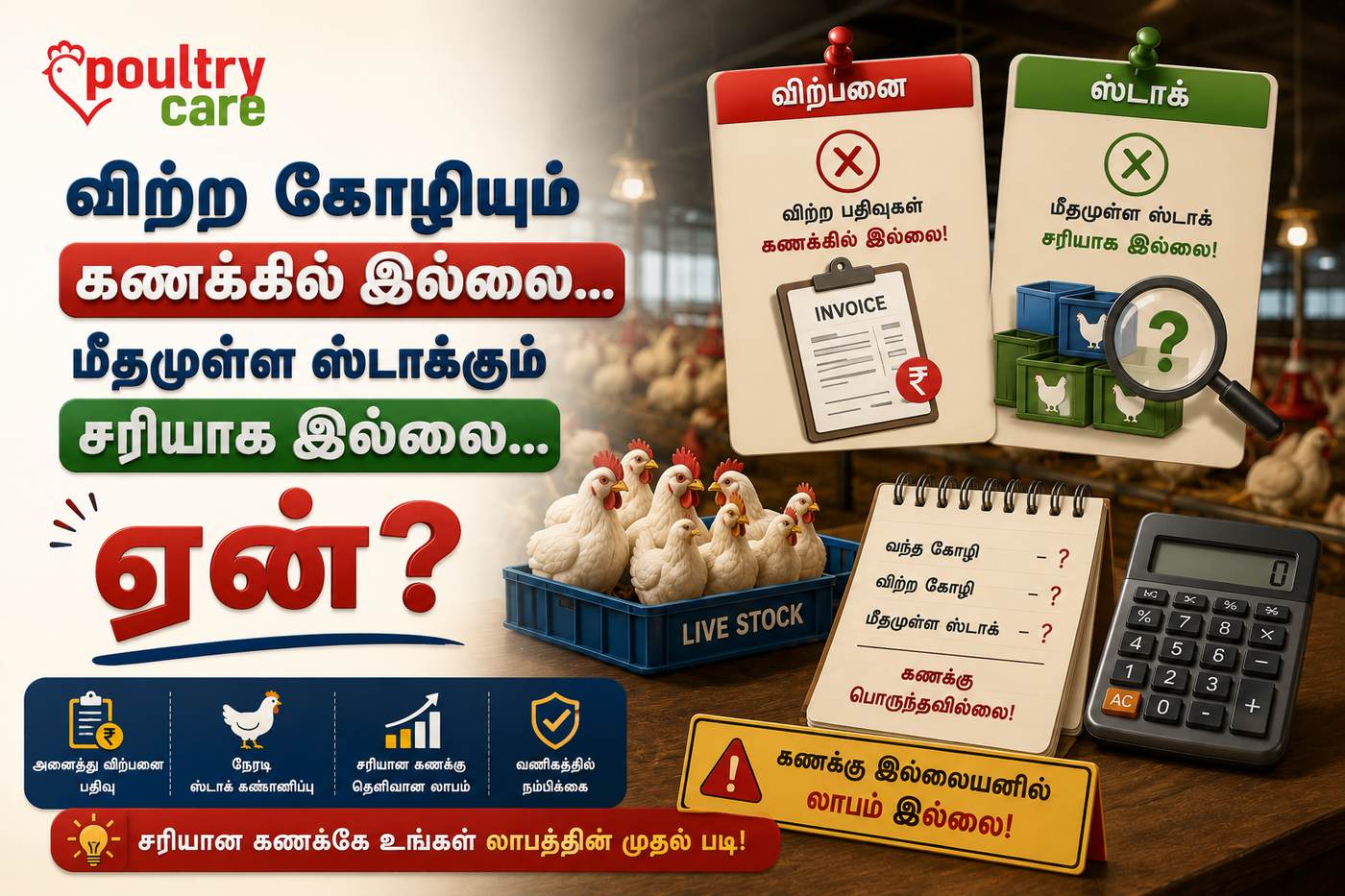

In poultry trading, business rarely stops. Trucks move daily, birds are sold quickly, and cash keeps circulating. From the outside, everything looks fine. Many traders believe that if sales are happening regularly, profit must be there somewhere.
But when you slow down and truly look at the numbers, a different picture often appears. Despite hard work and constant movement, the money left at the end of the cycle doesn’t always match expectations. This raises an uncomfortable but important question—is the profit real, or is it just an assumption?
This blog is written for poultry traders who want clarity, not comfort. It focuses on real trading situations, common blind spots, and the silent factors that decide whether a trading business grows or struggles.
Why Poultry Traders Assume Profit Without Proof
Most poultry traders don’t calculate profit in detail. They sense it. When daily sales happen and payments arrive, confidence builds automatically. Over time, this confidence replaces analysis.
In fast-moving poultry markets, decisions are made quickly. Traders rely on experience, instinct, and market talk. While experience is valuable, it can also hide inefficiencies when numbers are not reviewed closely. Assumptions slowly take the place of facts, and that’s where profitability begins to weaken.
The Illusion Created by High Turnover
Poultry trading is a high-rotation business. Buying today and selling tomorrow creates a strong sense of momentum. Money keeps moving, which feels reassuring. However, fast movement often masks thin margins.
Small losses spread across many transactions go unnoticed. Transport variations, minor weight losses, and delayed payments quietly reduce earnings. Individually they seem harmless, but together they decide the final outcome of the business.
Hidden Costs That Decide Real Profit
Many traders focus on buying price and selling price alone. But real profit lives between those two points. Every transaction passes through multiple stages, and each stage carries a cost.
Losses during loading, transport stress, market deductions, commission differences, and unplanned expenses slowly eat into margins. Because these costs are not always tracked immediately, they are often ignored altogether. Over time, this creates a gap between expected profit and actual results.
Trading Margin vs Actual Margin
On paper, a trade may look profitable. But paper margins don’t tell the full story. Actual margin appears only after the transaction is completely settled—after deliveries, deductions, payments, and adjustments.
Many traders realize too late that what looked like a good deal turned average or even negative once everything was accounted for. Understanding this difference is critical for long-term trading stability.
Cash Flow Confusion and Its Impact on Decisions
Cash flow gives comfort, but comfort can be misleading. When money comes in regularly, traders feel safe. But delayed payments, credit sales, and rolling settlements distort the real picture.
A business can appear active while profitability weakens quietly. Without clear visibility, traders may continue repeating patterns that drain growth potential.
Market Volatility and Reactive Trading
Poultry markets are unpredictable. Prices rise and fall quickly, forcing traders to act fast. In this pressure, many decisions become reactive instead of informed.
When reactions replace analysis, consistency disappears. Traders who survive long-term are those who understand patterns, not just prices. They adjust operations, timing, and buyer selection instead of chasing every market movement.
Why Segment-Level Clarity Matters in Trading
Many poultry traders operate across multiple segments—live birds, eggs, feed materials, or by-products. But without separating performance by segment, losses in one area can hide behind profits in another.
True growth begins when traders understand exactly where money is made and where it is lost. Clarity at this level allows smarter expansion and better risk control.
From Assumption to Awareness
The most successful poultry traders don’t rely on luck or market swings. They rely on awareness. They review outcomes, question assumptions, and refine their approach continuously.
Profit becomes predictable when visibility improves. Once traders understand where money leaks, improvement becomes practical and achievable.
Conclusion: Profit Is Measured, Not Felt
In poultry trading, profit is not defined by how busy the business looks. It is defined by what remains after every cycle is complete. When assumptions replace measurement, growth slows silently.
The moment a trader starts seeking clarity instead of comfort, the business begins to change. In trading, awareness is not just knowledge—it is a competitive advantage.