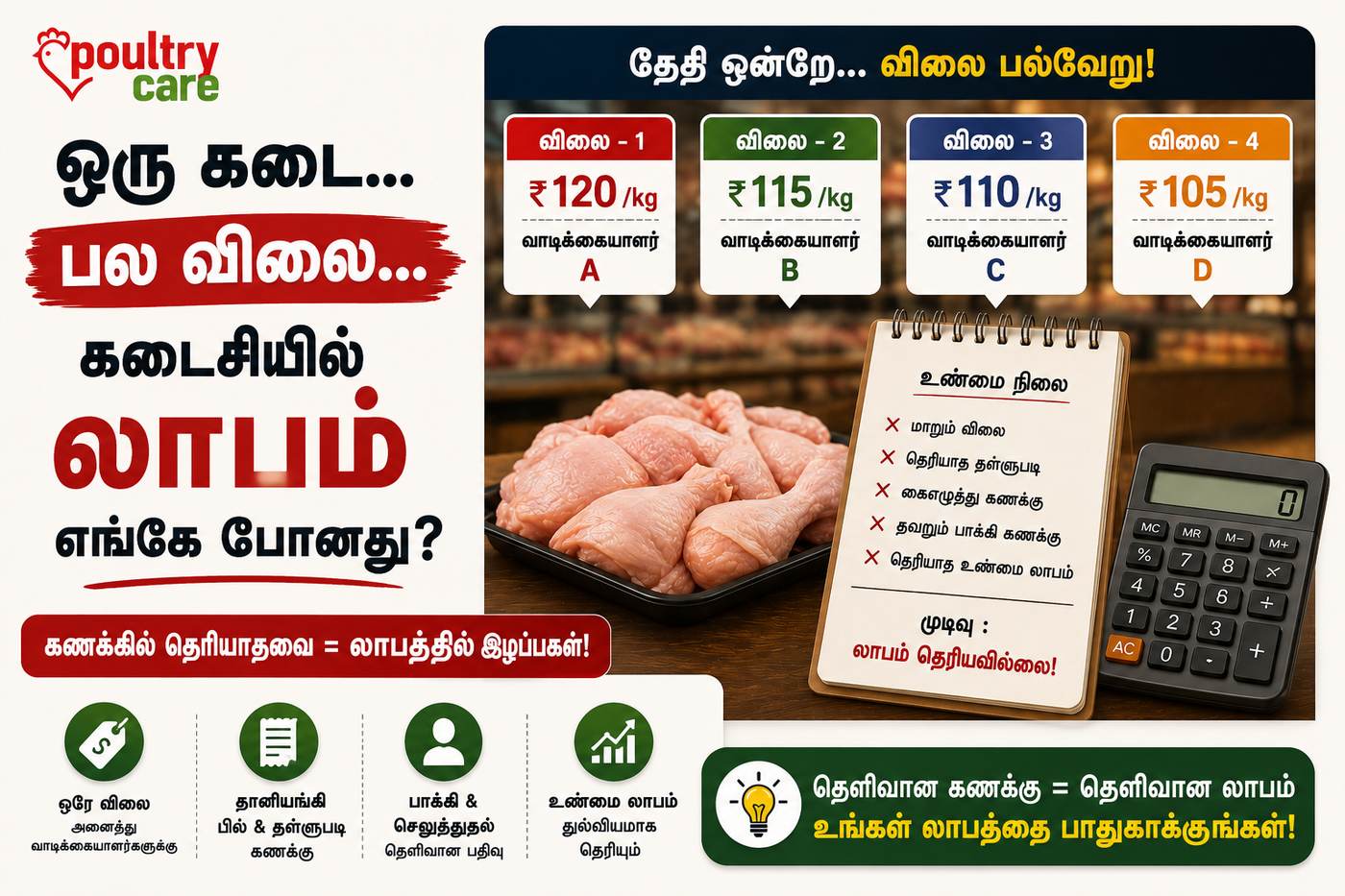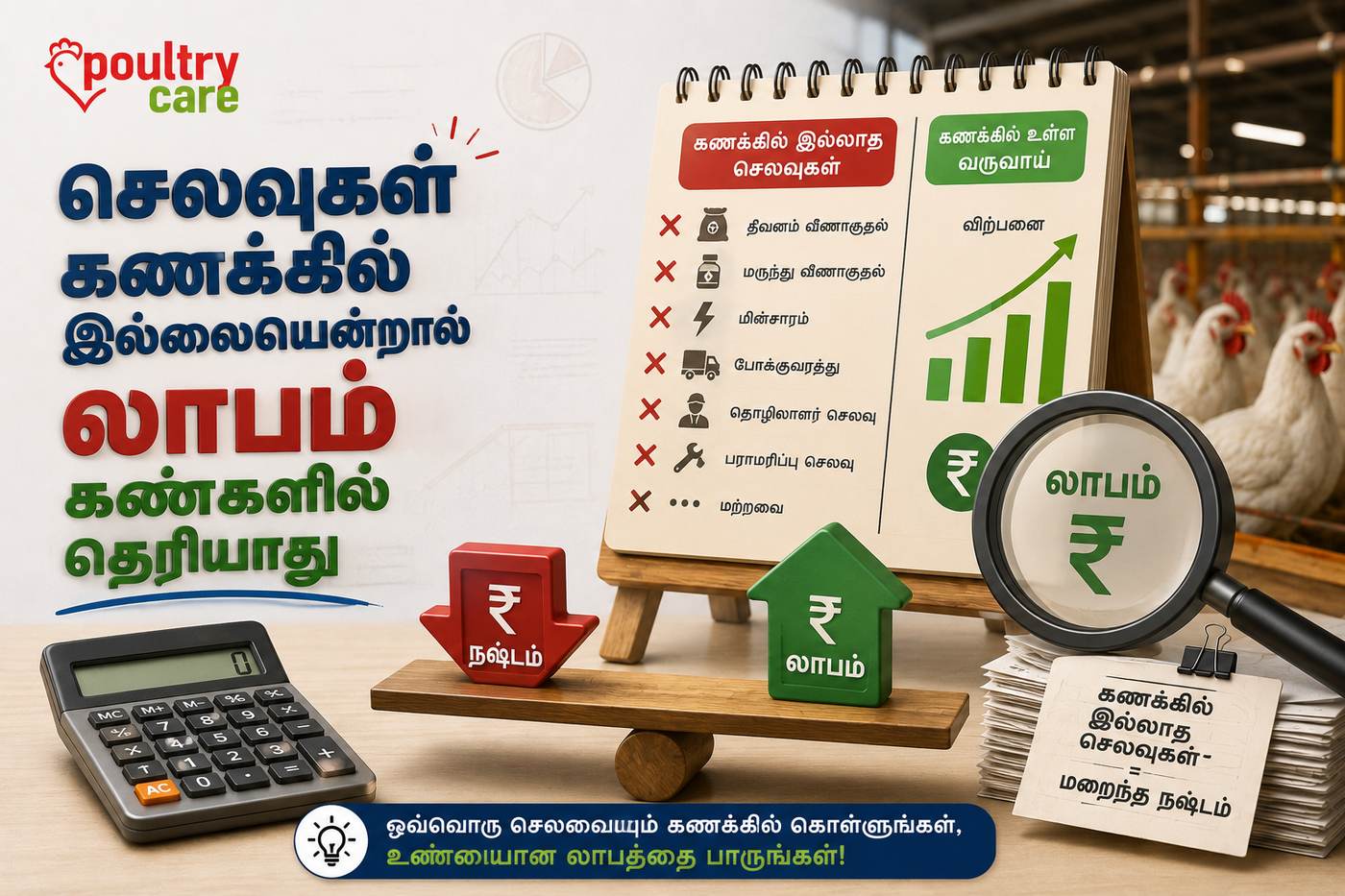

Many poultry retail owners feel confused at the end of the month. The shop stays busy. Customers keep coming. Sales look active every day. But savings do not grow as expected.
Most owners immediately blame market price, competition, or increasing expenses. But in reality, profit loss often starts inside daily operations through something very small — shrinkage.
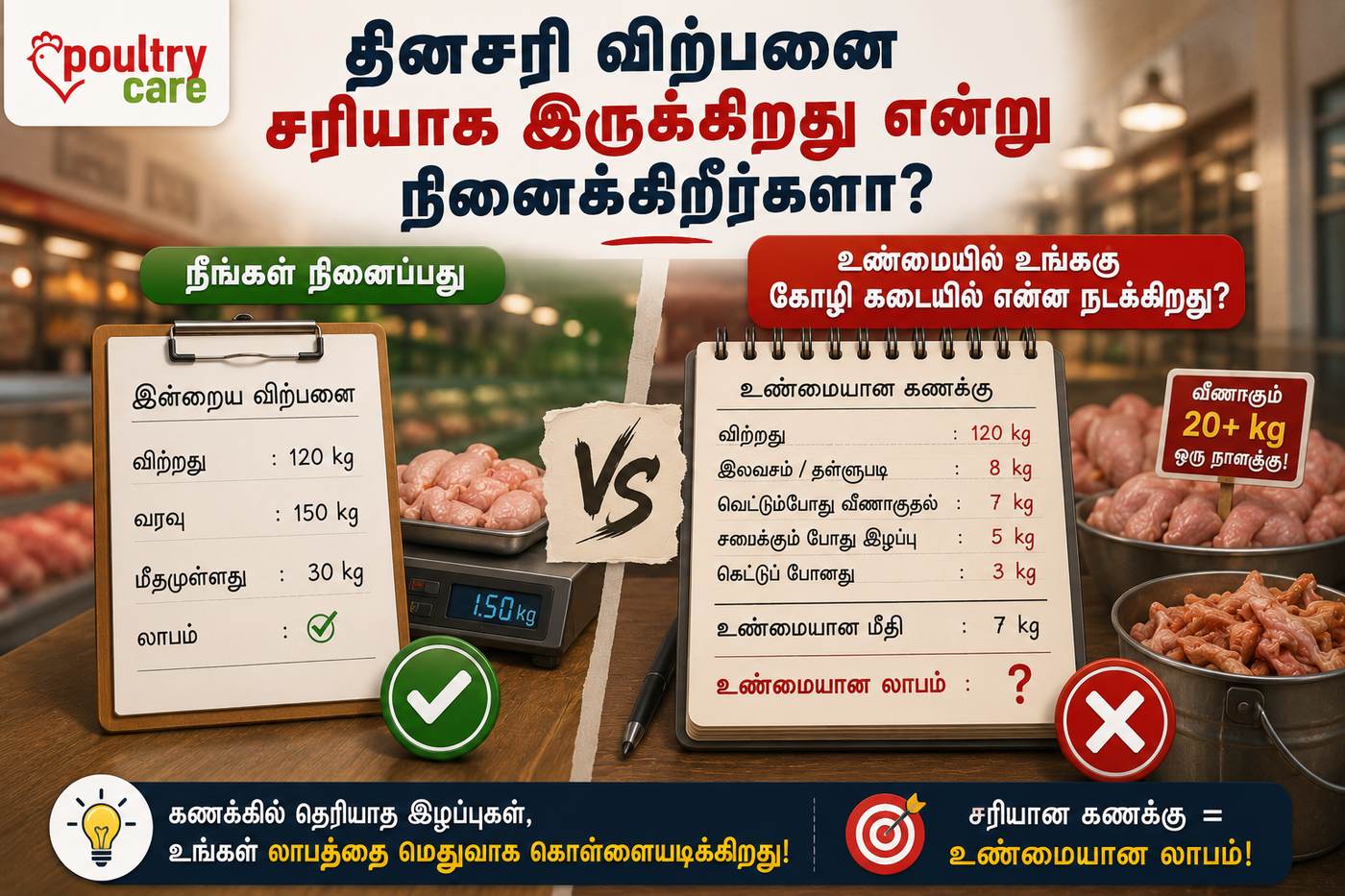
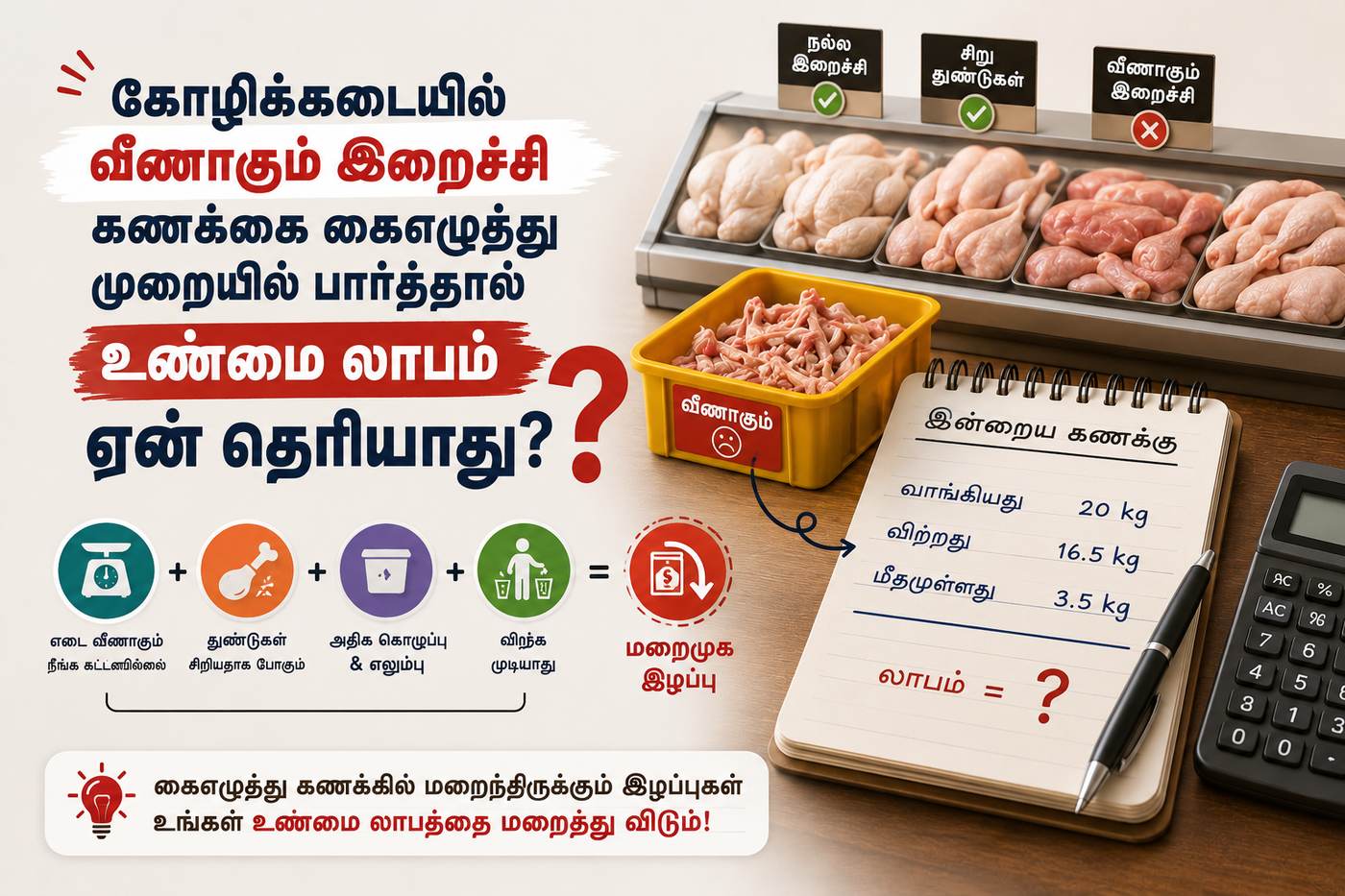
Shrinkage means the difference between the weight you purchase and the weight you finally sell. This loss happens quietly through handling, storage, cutting practices, and small recording mistakes. Since it occurs little by little, it rarely attracts attention.
A few kilograms lost daily may look harmless, but over thirty days it becomes a serious financial gap. The solution is not complicated systems. It begins with a simple daily routine followed consistently.
Understanding Daily Shrinkage in Simple Terms
Every poultry shop works with weight. You buy in kilograms and sell in kilograms. Profit depends on how much of that purchased weight converts into billable sales.
If you purchase 120 kg and sell only 116 kg, the missing 4 kg is shrinkage. This difference may come from moisture loss, trimming waste, delayed sales, or improper handling.
Many retailers accept this as normal because poultry is a fresh product. Some natural loss is unavoidable. However, uncontrolled loss is different from natural loss.
When shrinkage is not measured, it grows silently. When measured daily, it becomes manageable.
Why Most Shops Ignore Shrinkage Tracking
Retail operations move fast. Customers arrive continuously, staff stay busy, and owners focus mainly on sales flow. Because of this, weight comparison between purchase and sale rarely happens.
Another common reason is trust in estimation. Many shops rely on experience instead of numbers. Owners assume losses are small without verifying actual data.
But retail management improves only when assumptions are replaced with measurement. Even a simple daily check can reveal patterns that were previously invisible.
The Daily Shrinkage Checklist Every Shop Should Follow
Shrinkage control does not require complex accounting. A basic checklist followed every day creates strong operational discipline.
Start the day by recording opening stock weight. Verify weighing scales are working correctly and confirm the day’s selling price with staff. Accurate starting information prevents confusion later.
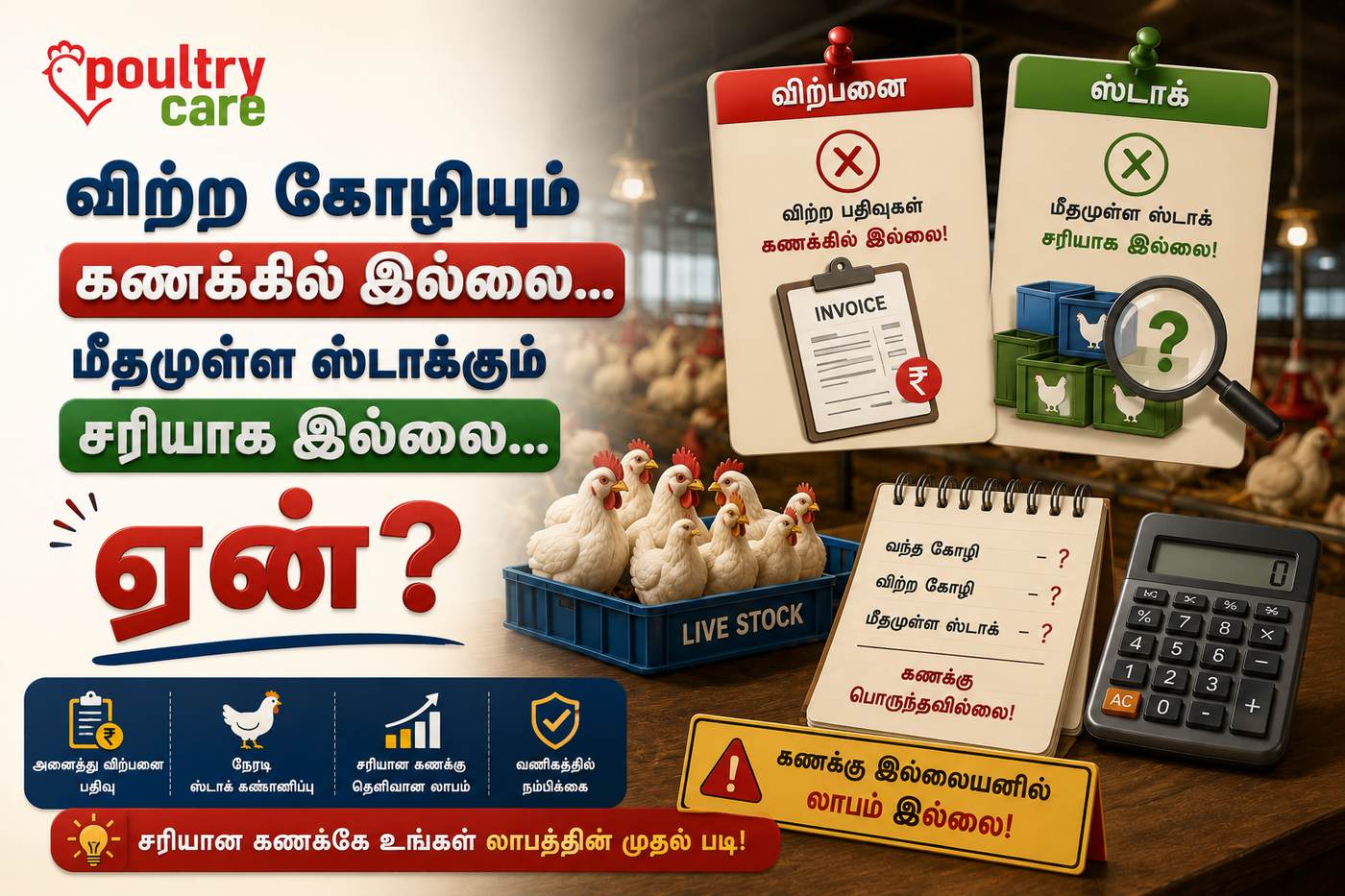
When fresh stock arrives, weigh it immediately. Never depend only on supplier weight. Recording exact arrival weight builds clarity about actual inventory entering the shop.
During cutting and processing, observe consistency. Different cutting styles between workers can create unnecessary waste. Standard methods help maintain predictable yield from each bird.
Around mid-day, perform a quick stock check. Calculate expected balance using opening stock plus purchases minus sales. Compare this number with physical stock. Detecting mismatch early prevents larger loss by evening.
Handling practices also play a major role. Avoid exposing meat directly to airflow or fluctuating temperature. Excess exposure causes moisture evaporation, reducing saleable weight without anyone noticing.
Before closing, conduct the most important step — final reconciliation. Compare expected closing stock with actual remaining weight. The difference recorded daily becomes your shrinkage figure.
This entire process takes only a few minutes but gives powerful visibility into business performance.
What Is an Acceptable Shrinkage Level?
Not all shrinkage indicates a problem. Poultry naturally releases some moisture after processing. The goal is not zero loss but controlled loss.
Generally, shrinkage below one percent indicates strong operational control. Between one and two percent is manageable but requires monitoring. Above two percent signals operational gaps that need correction.
If shrinkage consistently crosses three percent, profit leakage becomes serious enough to affect long-term sustainability.
Knowing your average shrinkage percentage is more important than guessing profitability.
How Daily Monitoring Improves Profit Without Increasing Sales
The biggest advantage of shrinkage tracking is behavioral change. Once measurement begins, staff become more careful with handling and cutting. Purchasing decisions become more accurate. Overstocking reduces naturally.
Retail owners also gain confidence in pricing because they understand real costs instead of estimated costs.
Consider a shop selling 130 kg daily. Reducing shrinkage by just one percent saves 1.3 kg each day. At ₹220 per kilogram, that equals nearly ₹286 daily improvement. Over a month, this becomes significant additional income without attracting a single new customer.
This shows that profit growth is not always about selling more. Sometimes it comes from protecting what is already purchased.
Building a Sustainable Retail Habit
Many owners start tracking for a few days and then stop because operations become busy again. The key is to treat shrinkage tracking as a habit, not an experiment.
Allocate ten minutes daily for checking weights and recording numbers. Consistency matters more than perfection. Over time, records begin to show patterns such as higher loss on certain days, shifts, or handling conditions.
These insights help owners make smarter operational decisions based on facts rather than assumptions.
Retail success comes from small disciplined actions repeated daily.
Final Thought: Awareness Is the Real Profit Tool
Shrinkage never announces itself loudly. It quietly reduces margins while business appears normal on the surface. Many poultry retailers work harder every year but earn the same profit simply because daily losses remain invisible.
A simple checklist changes this reality.
When you measure daily weight movement, you understand your business more clearly. Awareness creates control, and control protects profit.
Before closing your shop today, ask one simple question:
Do you know exactly how much weight you lost today?
That answer alone can transform how your poultry retail business performs tomorrow.