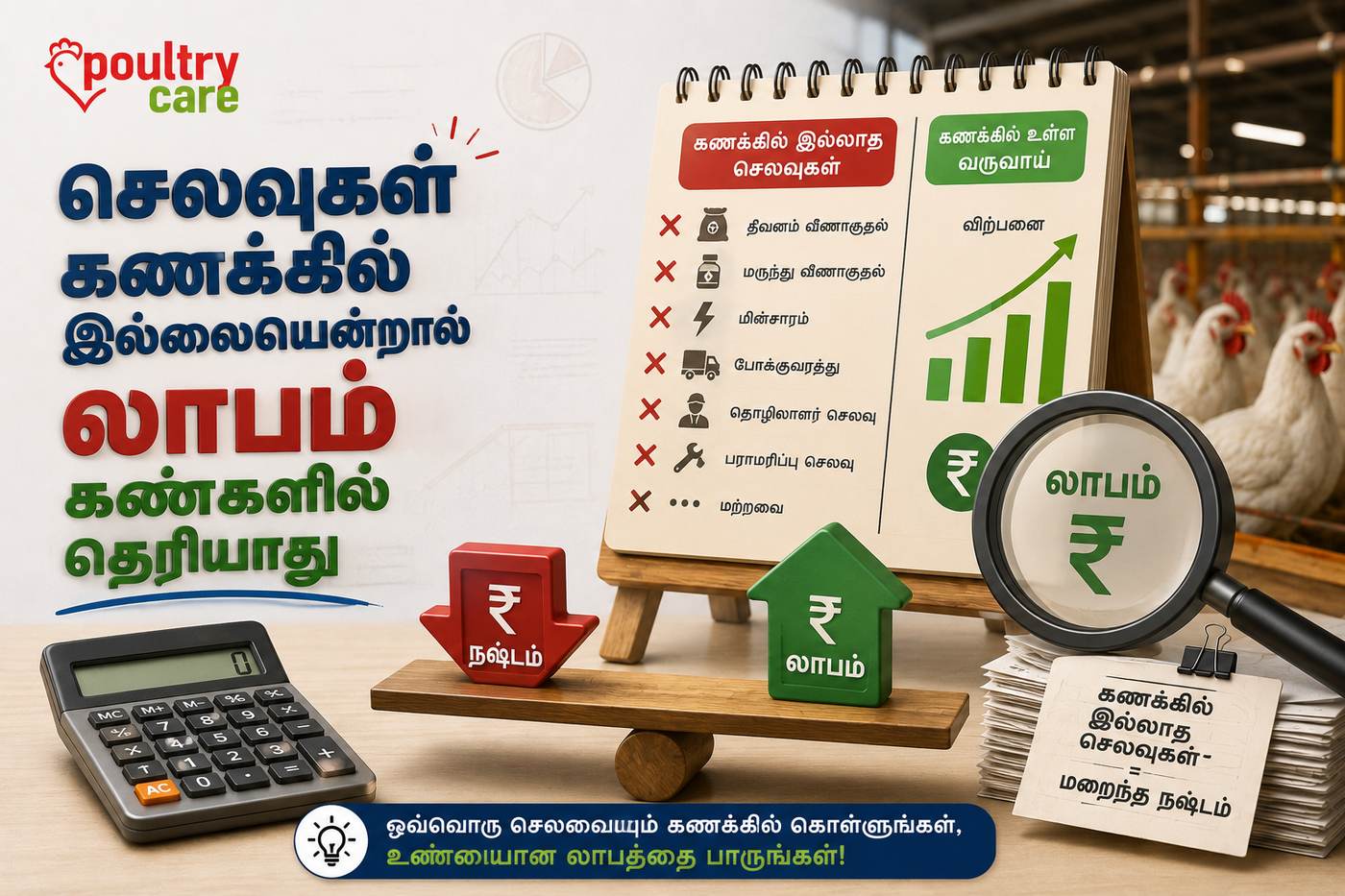

When Profit Feels Smaller Even Though Sales Are Stable
Many poultry retail owners measure business success by daily sales. If customers are coming regularly and billing continues throughout the day, the shop is considered healthy.
Yet a common concern appears after months of operation. Hard work increases, but savings do not grow proportionally. Owners feel that earlier profits were better even when sales volume was lower.
The reason often hides in something too small to attract attention.
A single percent of shrinkage.
One percent sounds insignificant. It feels too small to worry about during a busy working day. But poultry retail operates on kilograms, not assumptions. Even a tiny reduction in sellable weight silently changes yearly profit.
Understanding how one percent affects annual earnings helps retailers see their business from a completely new perspective.
What Does 1% Shrinkage Really Mean in Daily Retail
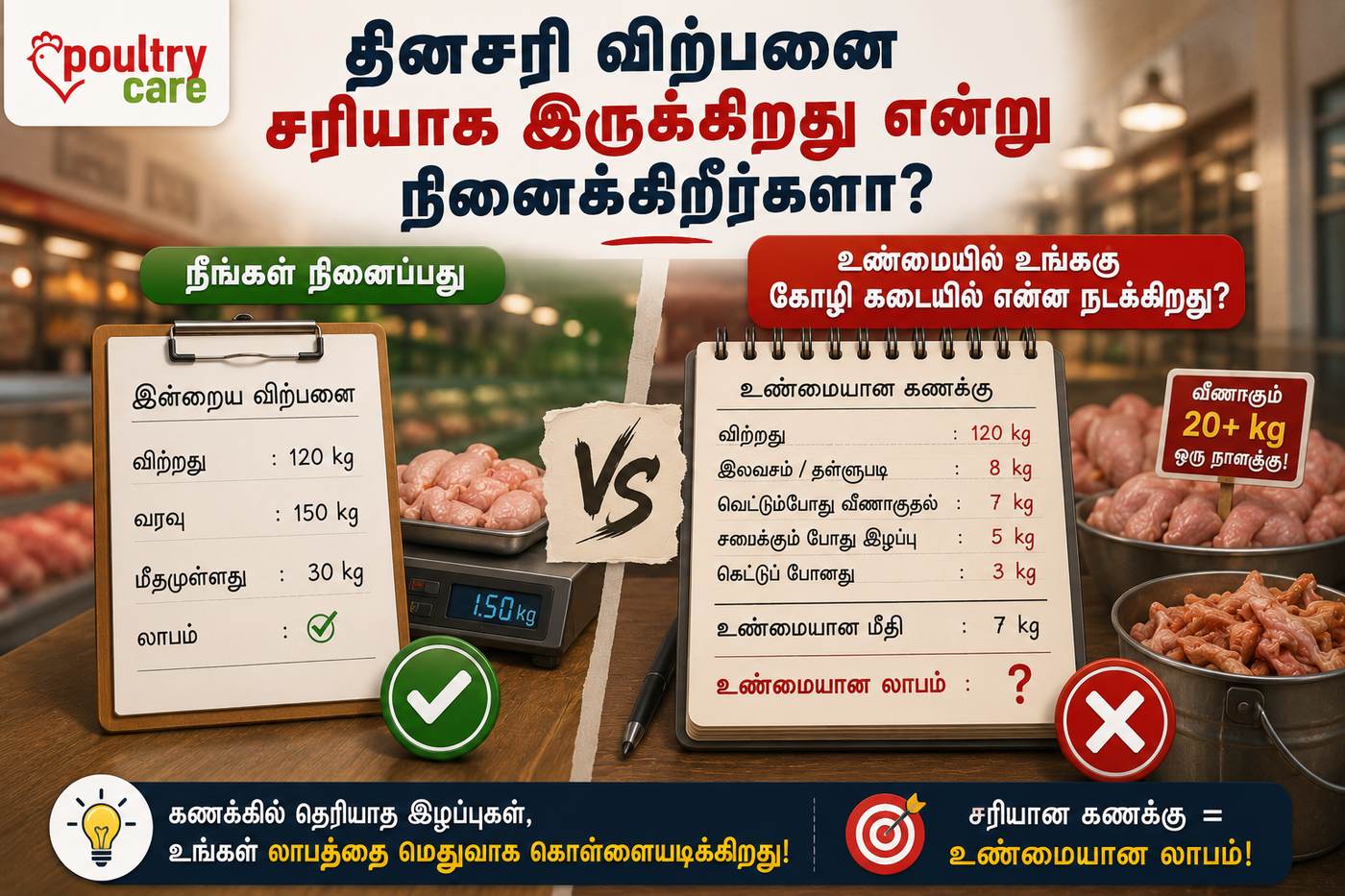
Shrinkage represents the difference between purchase weight and saleable weight.
When a retailer buys chicken, payment is made for full weight. Revenue, however, comes only from the weight finally sold to customers.
If one percent weight disappears due to moisture loss, handling practices, or operational inefficiency, the shop earns income from ninety-nine kilograms while paying for one hundred kilograms.
The difference may look harmless in a single transaction. But poultry retail repeats this process every day.
Daily repetition converts a small percentage into a large financial effect.
The important realization is this: shrinkage increases cost without increasing purchase price.
A Practical Example Every Retail Owner Can Relate To
Consider a retail shop purchasing two hundred kilograms of chicken daily.
A one percent shrinkage means two kilograms are lost before billing.
If the average margin earned per kilogram is modest, those two kilograms represent direct profit reduction rather than simple weight loss.
Over one day, the impact feels small.
Over one month, approximately sixty kilograms of sellable product disappear.
Over one year, the number becomes hundreds of kilograms.
This equals several weeks of business effort producing no financial return.
Most retailers try to increase profit by improving sales volume, but often the same improvement can be achieved simply by reducing shrinkage slightly.
Small operational improvements create large financial outcomes when repeated consistently.
Why Retailers Rarely Notice the Impact
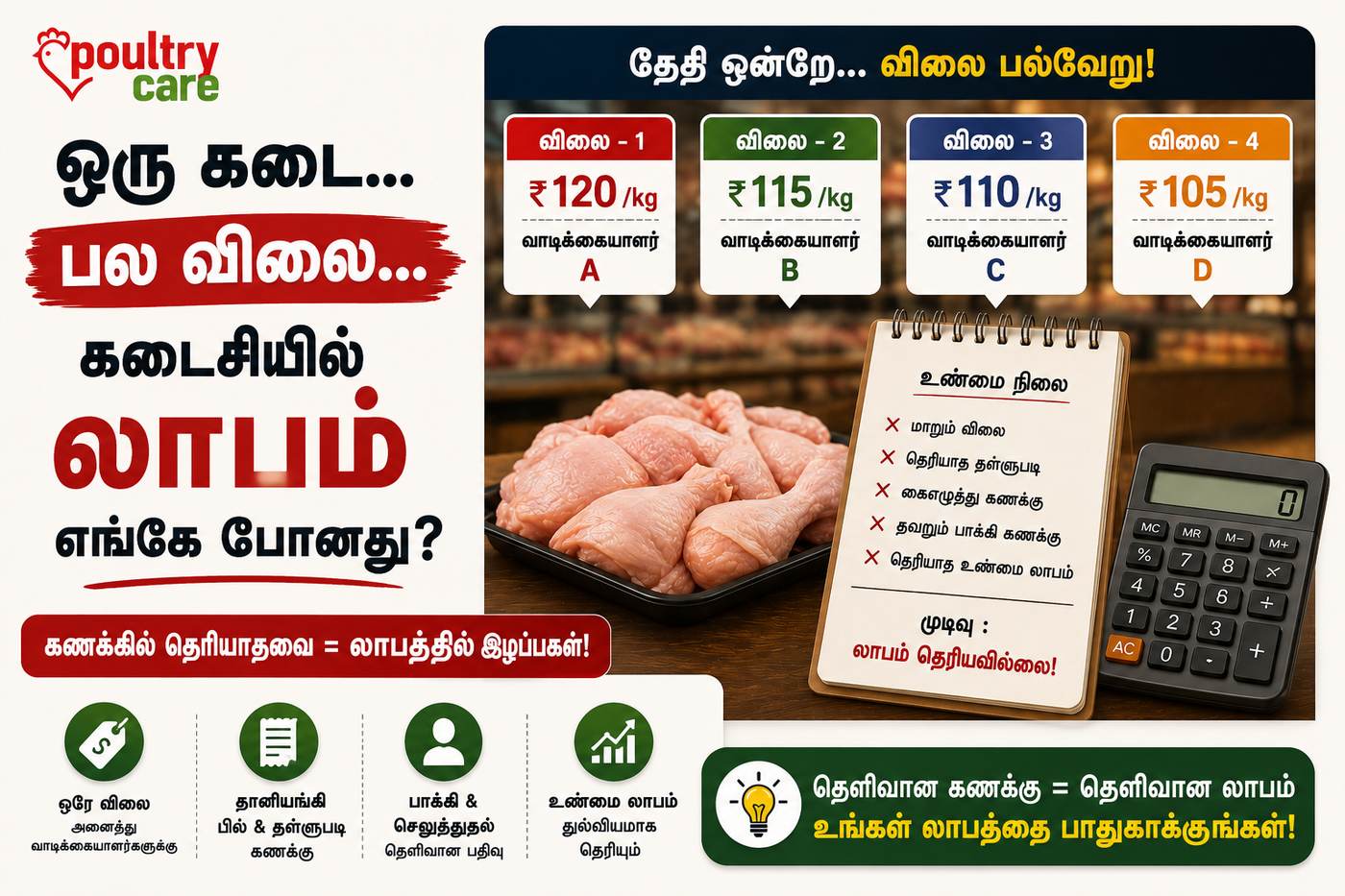
Shrinkage hides inside daily activity. Unlike rent or salary expenses, it does not appear as a visible payment.
Money is not directly spent, so the loss feels invisible.
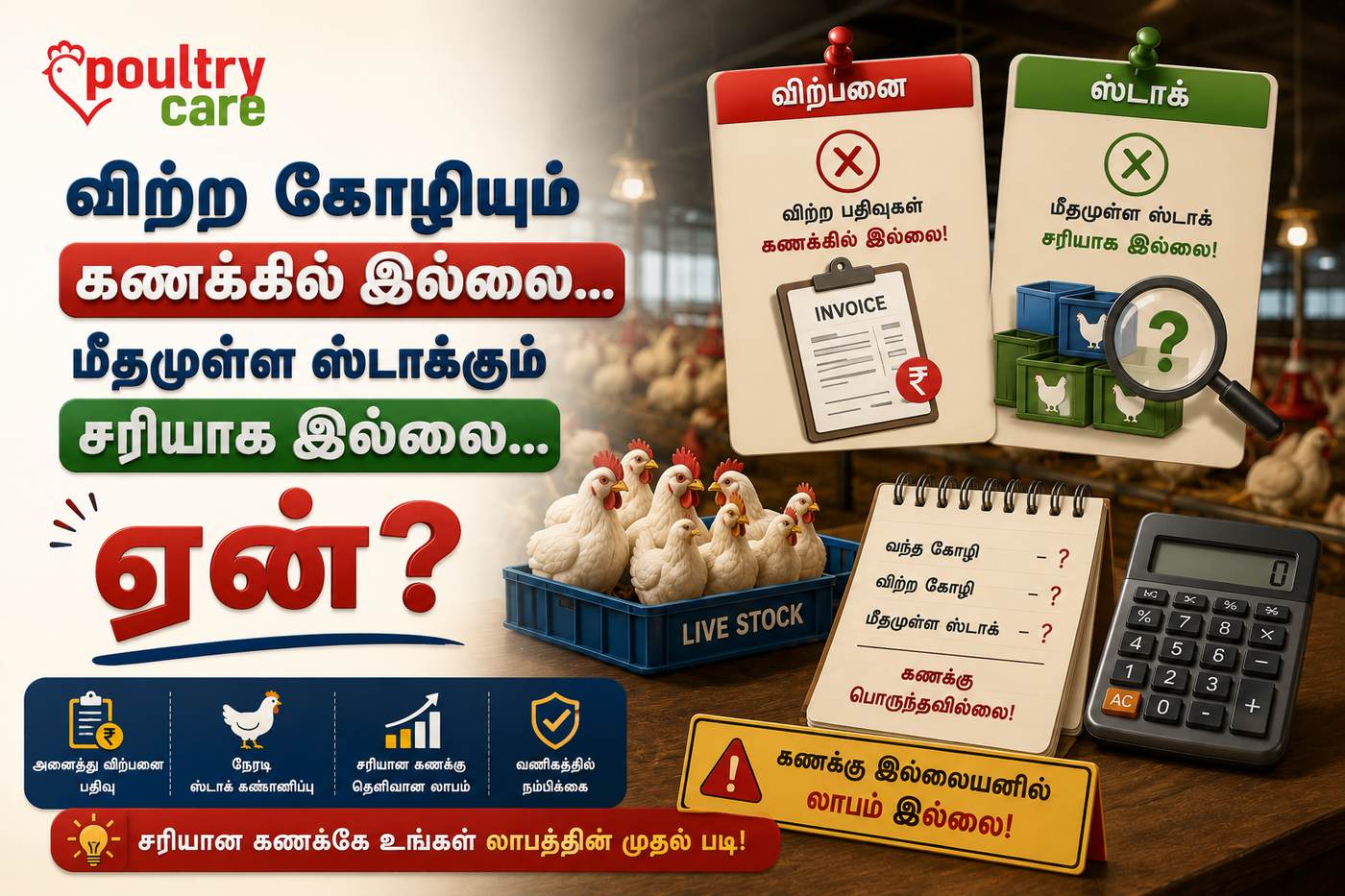
Retail owners usually track cash collection carefully but rarely compare total purchase weight with total sale weight over long periods.
Because shrinkage happens gradually, profit reduction also happens gradually. There is no sudden warning signal.
Owners may assume market competition is increasing or customer spending behavior is changing, while the real issue lies inside operations.
Without measurement, shrinkage becomes accepted as normal business behavior.
Awareness begins only when weight movement is observed regularly.
How 1% Shrinkage Changes Pricing Reality
Pricing decisions in poultry retail are often influenced by market competition. Retailers try to match nearby shops to retain customers.
However, when shrinkage exists, the real cost per kilogram increases silently.
If selling price remains unchanged while effective cost rises due to weight loss, margin decreases automatically.
Retailers may believe they are earning a certain profit per kilogram, but actual earnings become lower.
This creates pressure during price fluctuations because the business already operates with reduced margin.
Understanding shrinkage allows retailers to make confident pricing decisions based on real cost rather than assumptions.
Knowledge replaces guesswork.
Where That 1% Usually Comes From
A one percent loss rarely comes from a single reason. It usually develops through multiple small operational habits.
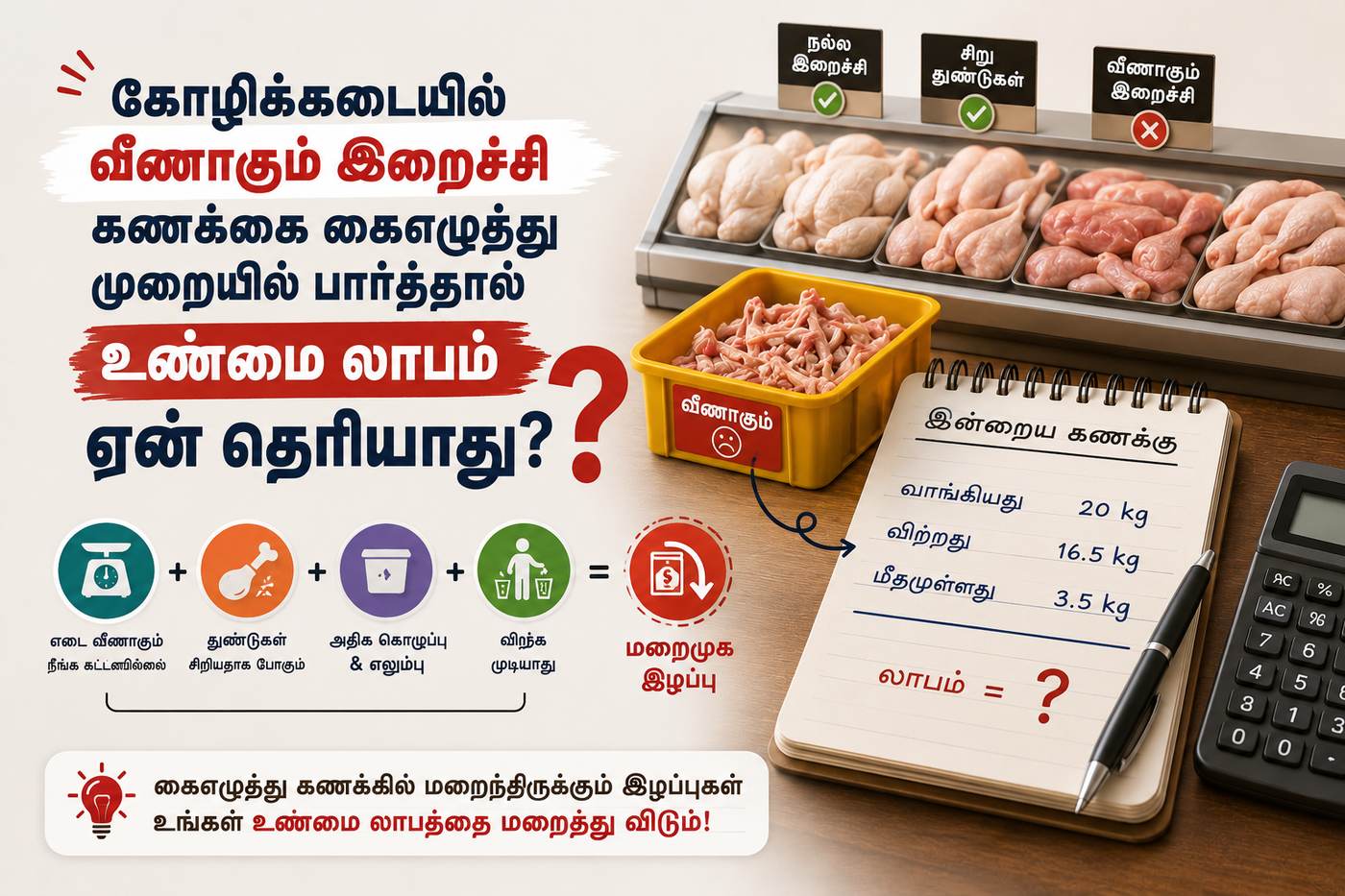
Moisture evaporation during storage contributes naturally. Frequent refrigerator opening increases drying. Long display exposure accelerates water loss.
Handling practices add further reduction. Inconsistent cutting removes extra meat. Repeated washing reduces weight unnecessarily. Rough movement causes small but repeated losses.
Weighing inaccuracies also play a role when scales are not calibrated properly.
Each factor individually appears harmless. Together, they form measurable shrinkage.
Retailers often search for large problems while profit quietly leaks through small daily habits.
Turning Awareness into Profit Protection
The most powerful improvement begins with measurement.
Recording purchase weight and sale weight daily creates visibility. Patterns start appearing within weeks.
Retail owners begin identifying when shrinkage increases and what activities cause it.
Staff naturally become more careful once results are observed regularly. Handling improves without strict supervision. Workflow becomes more organized.
Reducing shrinkage even by half a percent can significantly improve annual earnings without increasing customer count or shop size.
Efficiency becomes the new growth strategy.
The Shift from Busy Shop to Managed Retail Business
There is a difference between being busy and being profitable.
Many shops remain active throughout the day but lack operational measurement. Managed retail businesses focus not only on selling but also on preserving value.
Understanding shrinkage transforms decision-making.
Purchasing becomes aligned with demand. Storage discipline improves. Staff responsibilities become clearer.
Retailers gain confidence because they understand where profit is created and where it disappears.
This shift marks the evolution from traditional selling toward structured retail management.
Growth begins internally before expanding externally.
Conclusion: One Percent Can Decide Your Yearly Earnings
In poultry retail, profit does not disappear suddenly. It reduces slowly through small unnoticed losses.
One percent shrinkage may feel too small to matter today. But across an entire year, it can decide whether the business merely survives or truly grows.
The lesson is simple.
Retail success is not only about selling more chicken. It is about protecting every kilogram already purchased.
Before closing your shop today, ask yourself one practical question.
If one percent of your stock disappears daily, do you know how much profit disappears yearly?
Understanding that answer is the beginning of stronger retail management.
When small numbers are understood clearly, big financial improvements follow naturally.