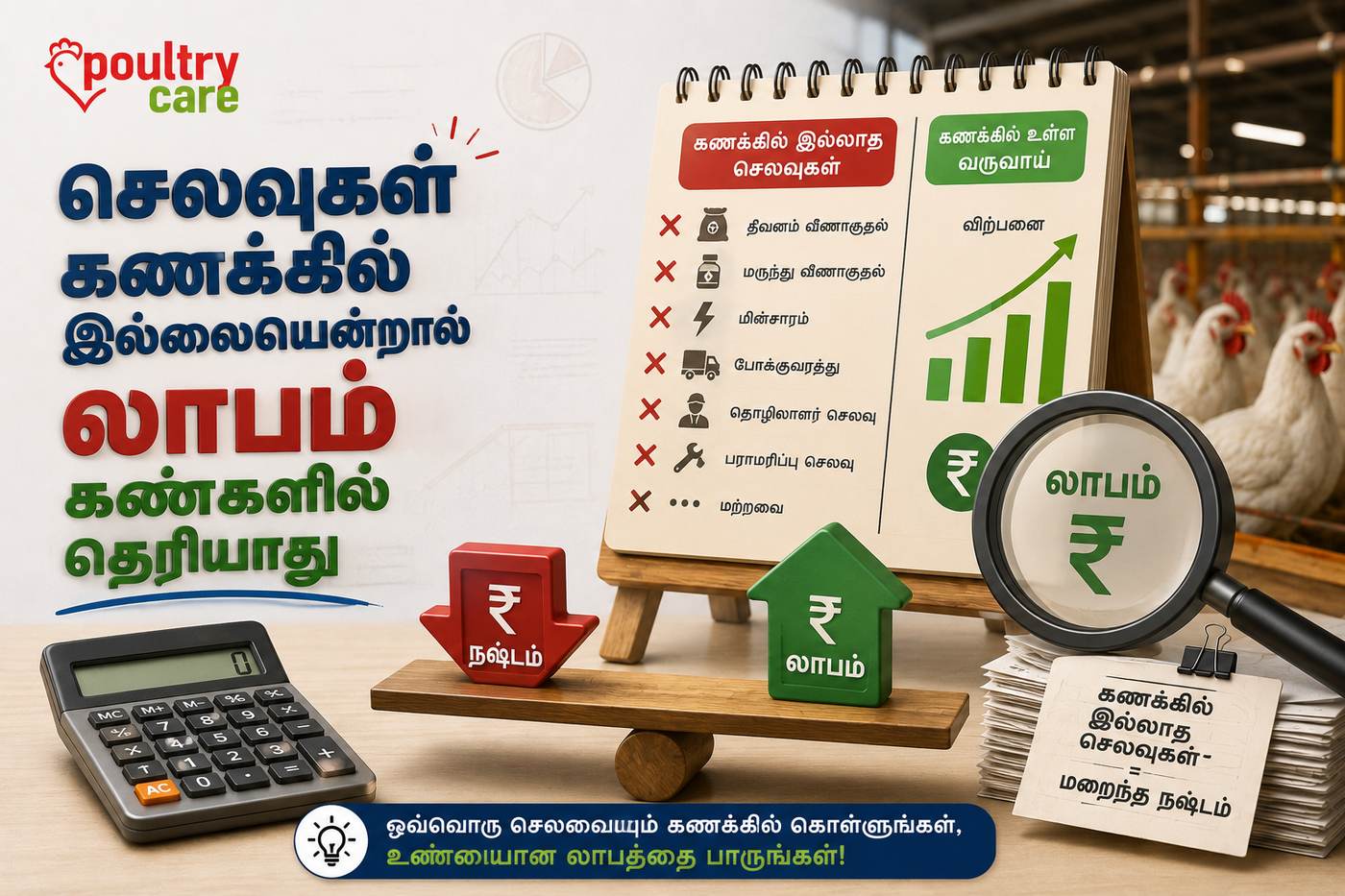

Many poultry retail shop owners believe the biggest challenge in their business is bringing more customers into the shop.
But after running a shop for a few years, most retailers discover something different.
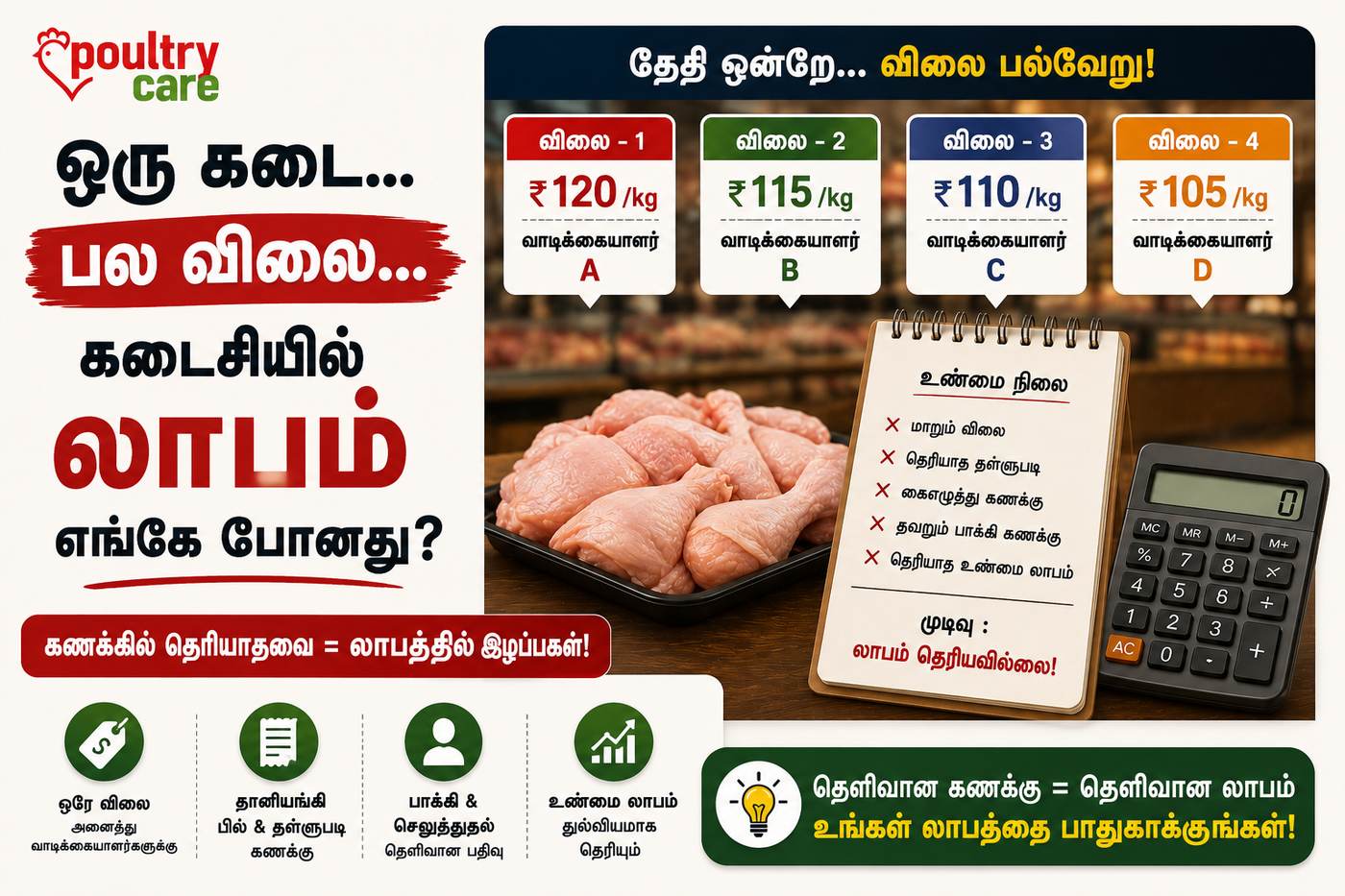
The real challenge is protecting profit from hidden losses.
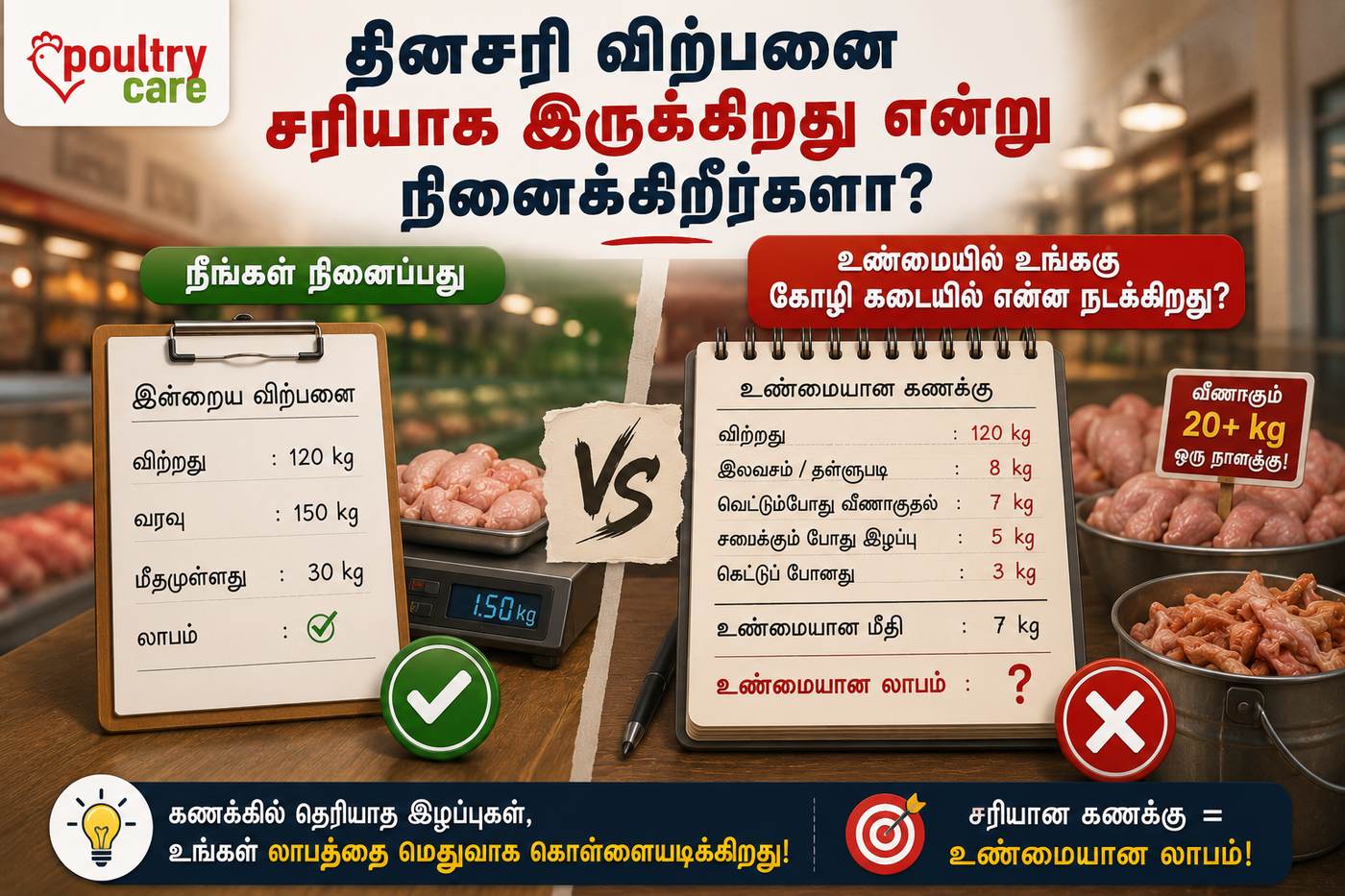
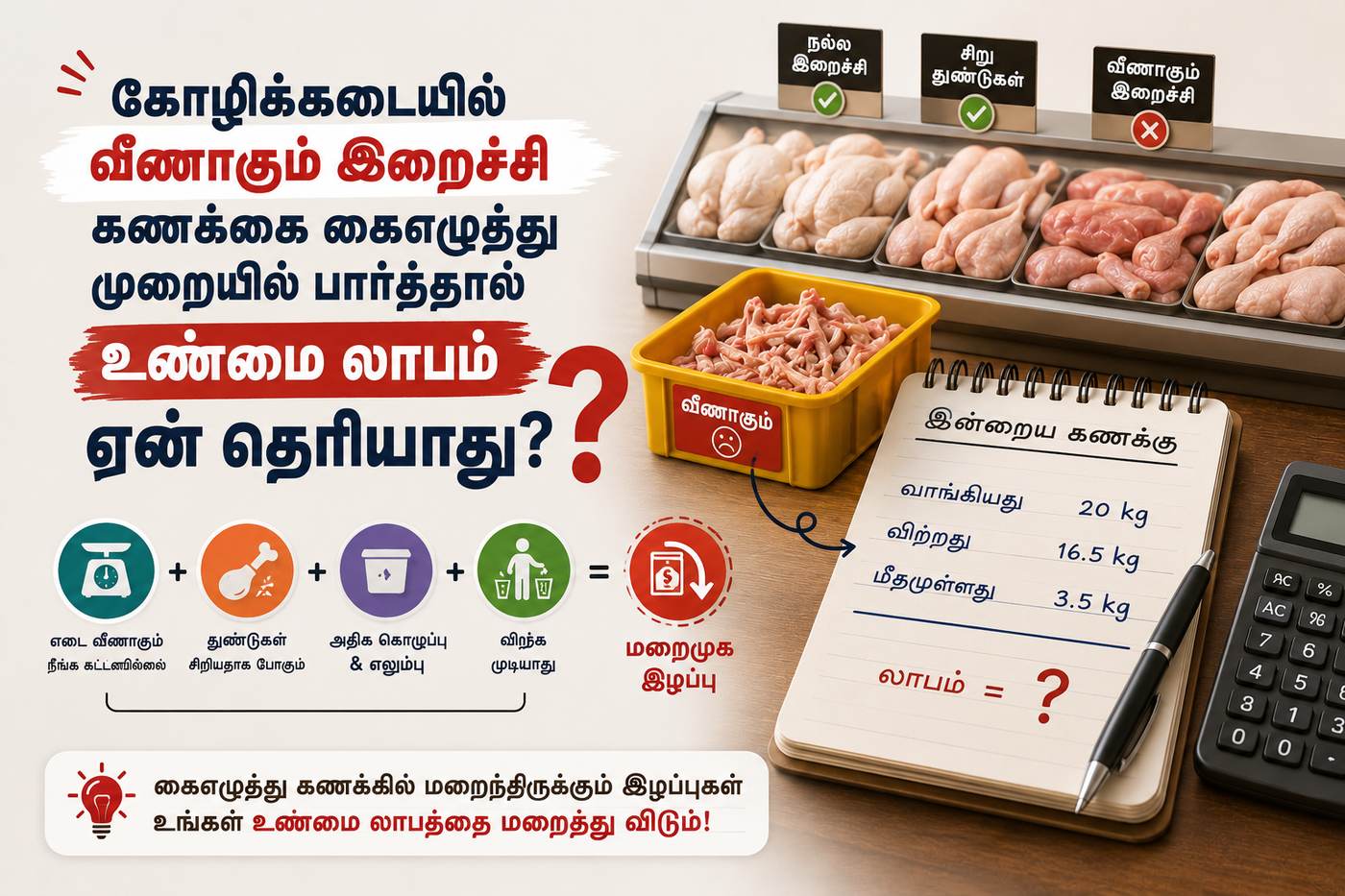
One of the most common hidden problems in poultry retail is shrinkage — the difference between the weight of birds purchased and the amount of meat actually sold.
This loss may look small during daily operations, but over time it slowly reduces the profit of the shop. In many cases, retailers do not even realize that the loss is happening.
Interestingly, shrinkage tends to be higher in small poultry shops than in larger retail outlets. This is not because small shops are inefficient, but because they often operate without structured monitoring systems.
Understanding why shrinkage happens is the first step toward controlling it.
Understanding Shrinkage in Poultry Retail
Shrinkage in poultry retail simply means the weight difference between what is purchased and what is sold.
Some amount of loss is natural during processing. When birds are slaughtered, cleaned, and cut, part of the weight is lost. This is called dressing loss and it is completely normal.
In most poultry retail operations, the expected meat yield after processing is around 70% to 72% of live bird weight.
However, when the difference between expected yield and actual sales becomes larger than normal, it usually indicates that something in the shop operations is not working efficiently.
The causes are rarely dramatic. Instead, they are usually small operational issues repeated every day.
Why Small Poultry Shops Often Experience Higher Shrinkage
Small poultry retail shops typically run with fewer staff members and faster day-to-day operations. Because of this, many activities depend on experience rather than structured procedures.
Over time, this can create small inefficiencies that add up.
One common issue is inconsistent cutting practices. Without standard cutting methods, different workers may recover different amounts of meat from the same bird. Some may leave extra meat on bones, while others may trim too much.
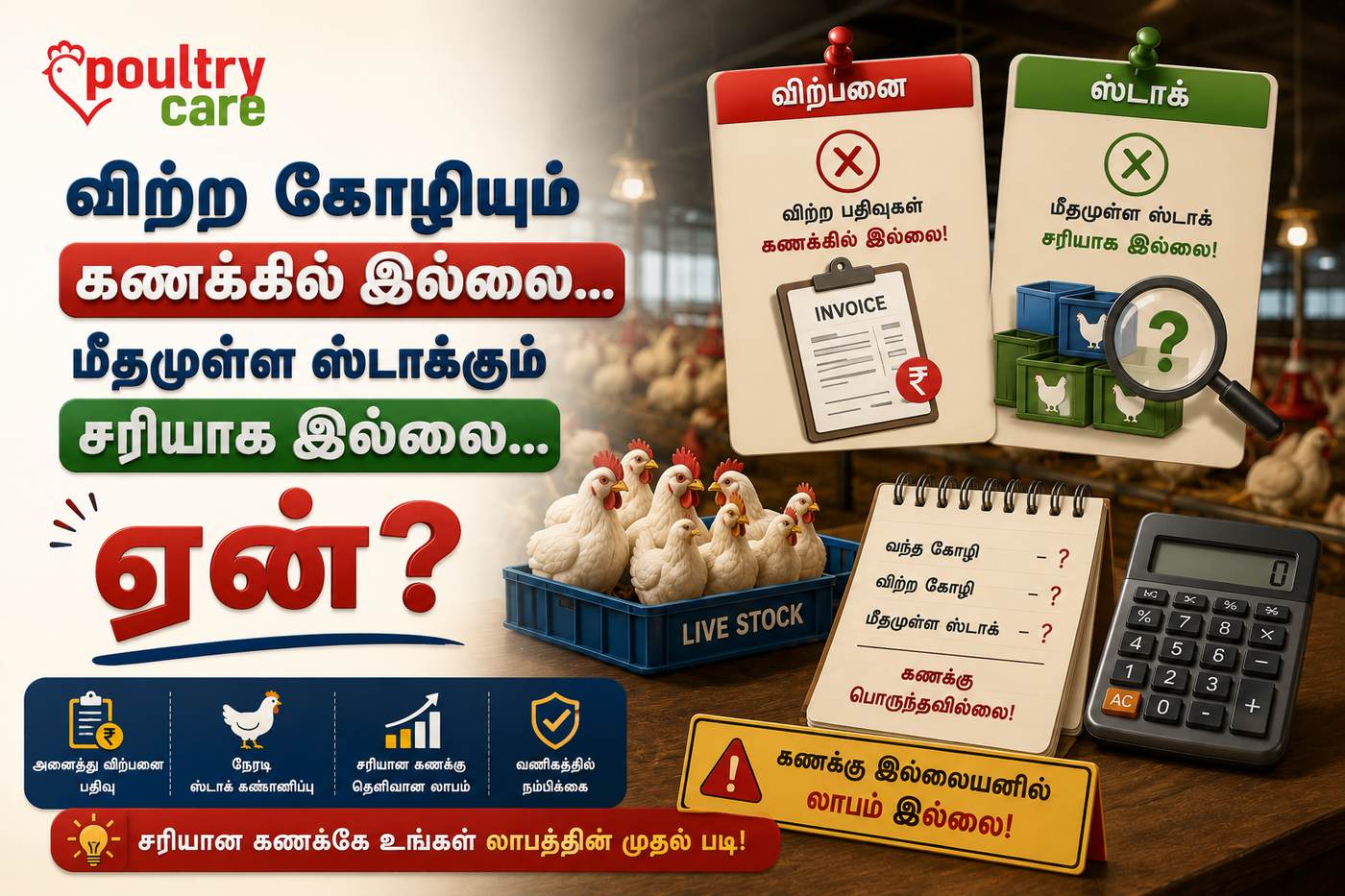
Another common factor is limited weight monitoring. Many retailers track their daily cash sales but rarely compare the weight of birds purchased with the weight of meat sold.
Without this comparison, shrinkage remains hidden.
Staff training also plays an important role. When workers are not properly trained, valuable portions of meat may be lost during trimming or cutting. Even small mistakes repeated many times during the day can create noticeable losses.
Finally, weighing and storage practices also affect retail shrinkage. Incorrect scale settings or improper refrigeration can reduce product weight before sale.
A Simple Example of How Shrinkage Impacts Profit
To understand how small losses can affect a poultry shop, let us look at a simple example.
Example Loss Calculation
Daily purchase: 200 kg birds
Expected meat yield: 70% = 140 kg
Actual sale: 134 kg
Daily shrinkage = 6 kg
If chicken price = ₹180/kg
Daily loss = ₹1,080
Monthly loss = ₹32,400
The Power of Just a 1% Improvement
Many retailers believe reducing shrinkage requires major changes or large investments. In reality, even a small improvement in operational efficiency can create meaningful financial benefits.
1% Improvement Insight
1% improvement of 200 kg = 2 kg saved daily
2 kg × ₹180 × 30 days = ₹10,800 extra monthly profit
This simple example shows something important.
Retail profit does not always increase by selling more birds. Sometimes the biggest improvement comes from reducing small daily losses.
Even a small operational improvement can recover thousands of rupees every month.
Practical Ways Retailers Can Reduce Shrinkage
Controlling shrinkage does not require complicated systems. Many improvements come from better discipline in daily operations.
Retail shop owners can reduce losses by focusing on a few key areas.
First, cutting methods should be standardized so that every worker follows the same process. This helps improve meat recovery and maintain consistency.
Second, retailers should regularly compare purchase weight and sale weight. This simple habit helps identify whether the shop is losing more meat than expected.
Third, staff members should be trained to handle meat properly and avoid unnecessary trimming.
Finally, accurate weighing practices and proper refrigeration help maintain product quality and prevent avoidable weight loss.
Small improvements in these areas can significantly improve the profitability of a poultry retail shop.
Final Takeaway for Poultry Retail Owners
The poultry retail business operates on narrow margins, which means small operational losses can quickly affect overall profitability.
Many retailers focus only on increasing sales, but protecting existing profit is equally important.
By monitoring weight differences, improving staff practices, and maintaining consistent shop operations, retailers can reduce shrinkage and strengthen their business performance.
Because in poultry retail,
profit is not only about selling more chicken —
it is also about losing less meat.